Heritage
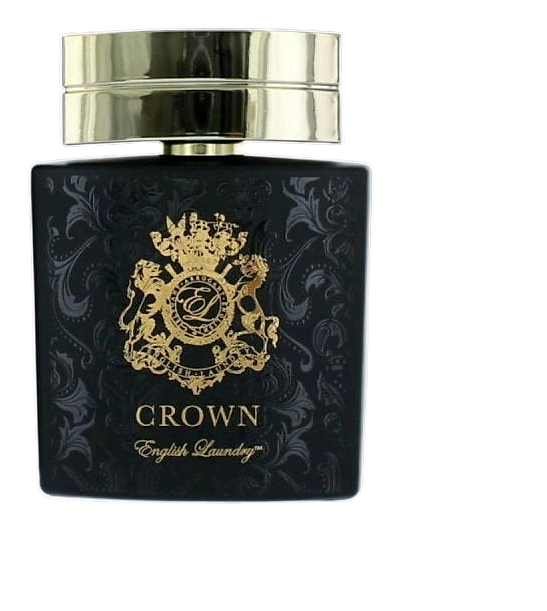
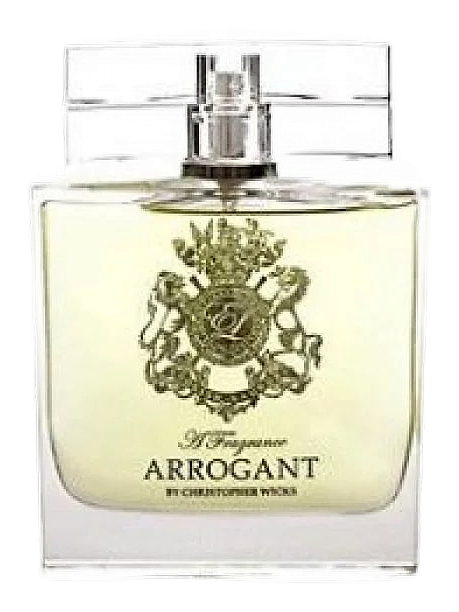
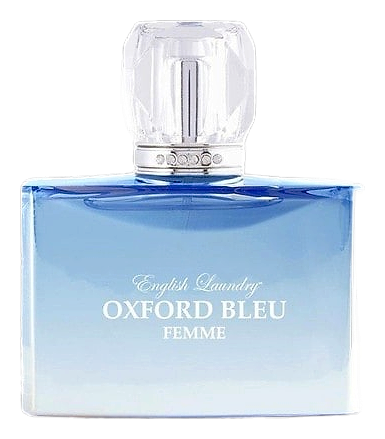
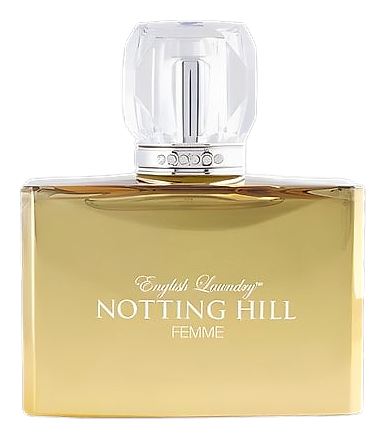
A house, in its own words
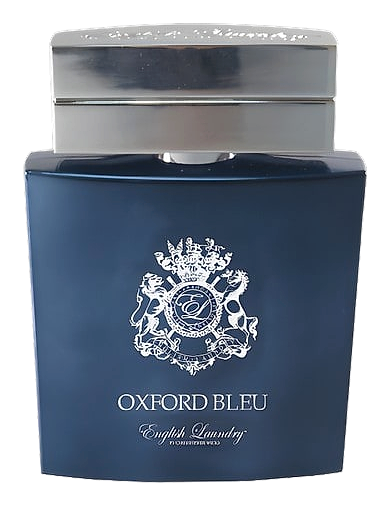
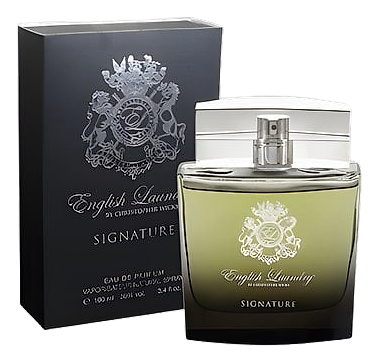
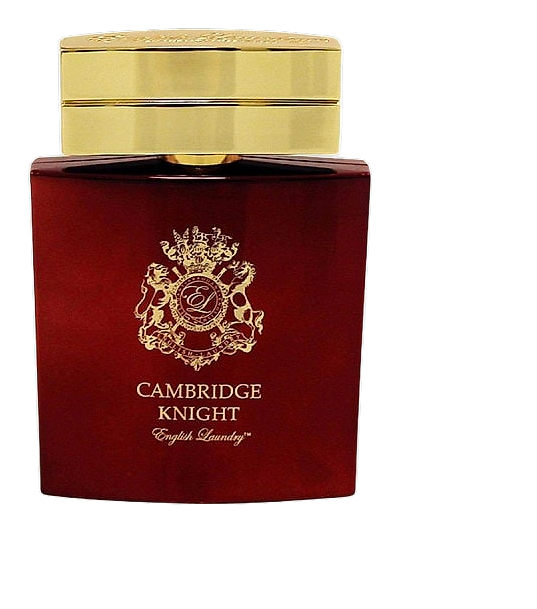
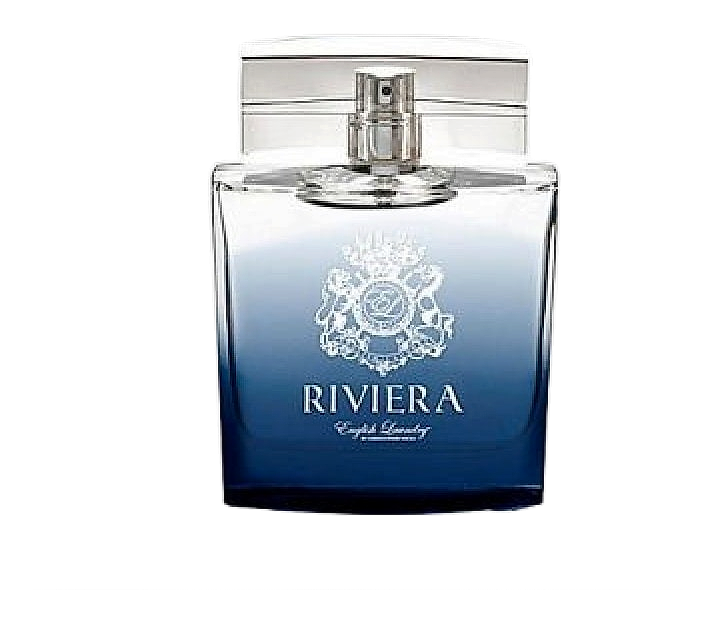
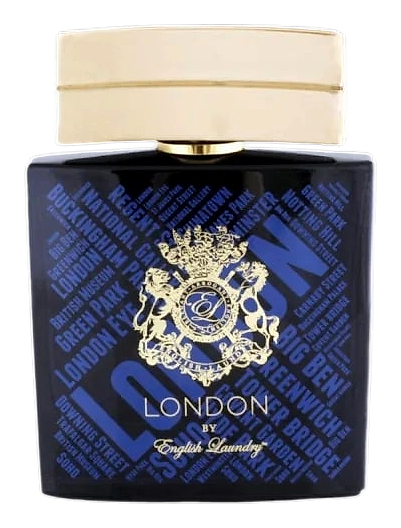
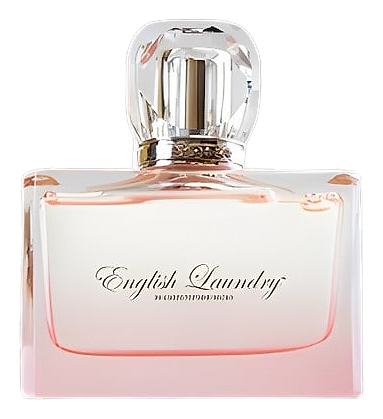
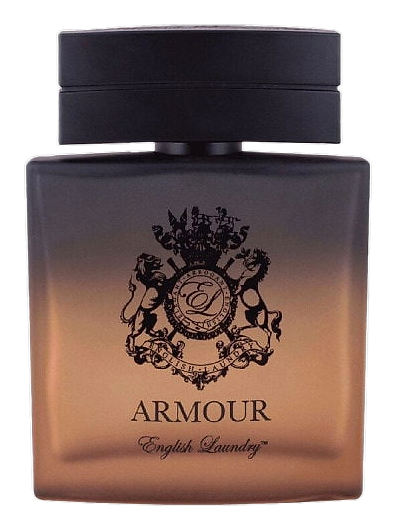
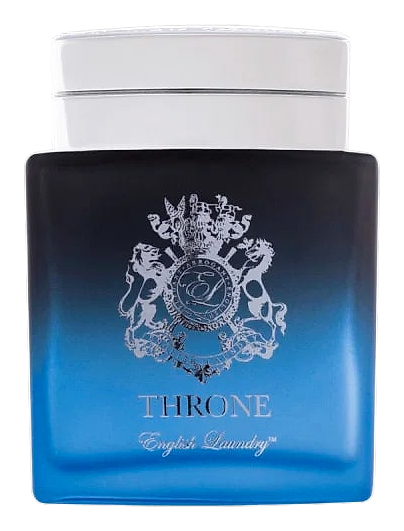
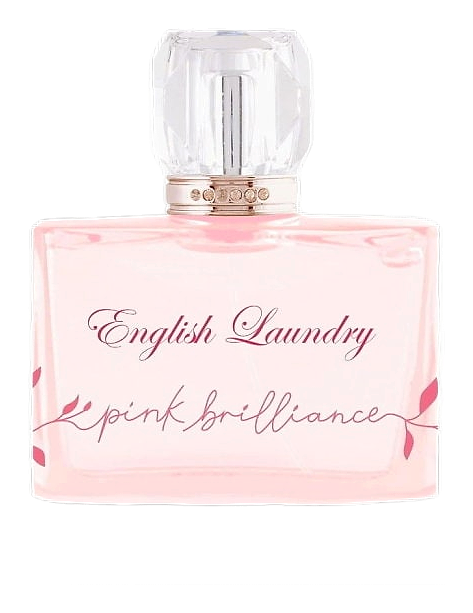
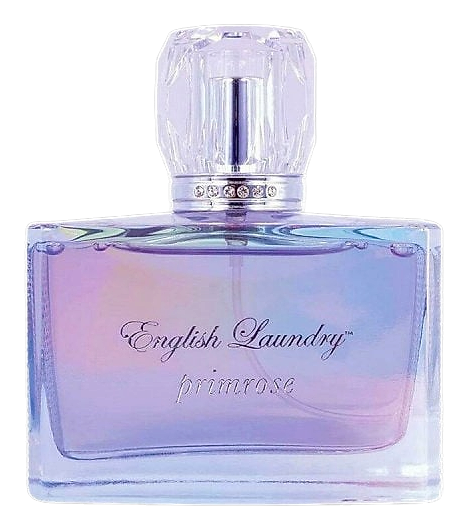
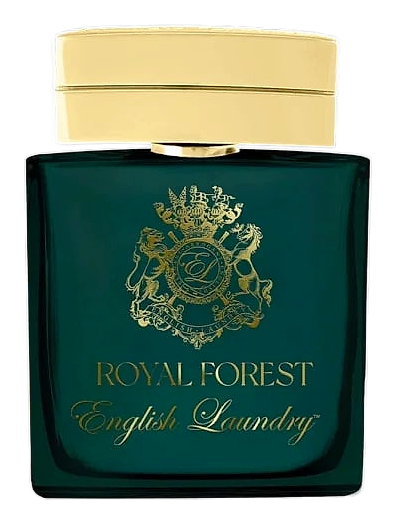
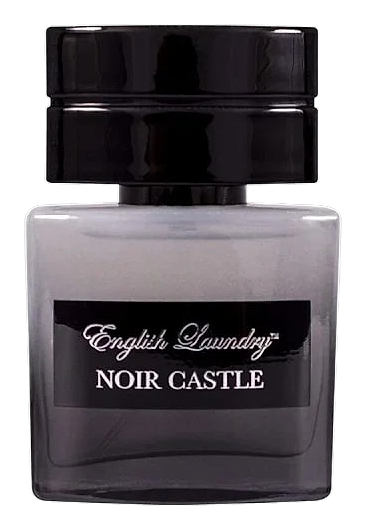
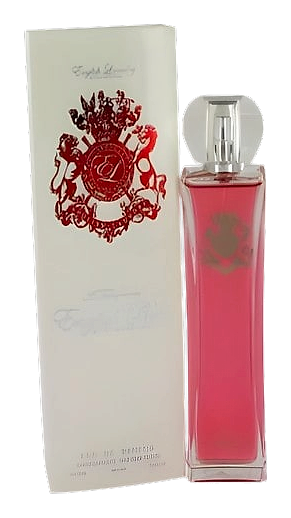
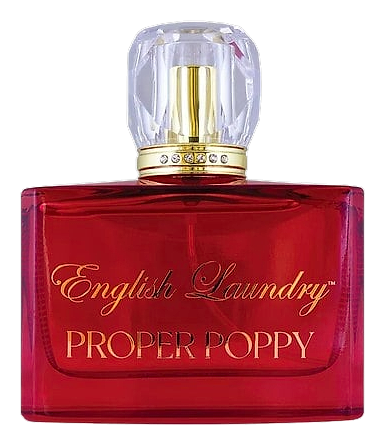
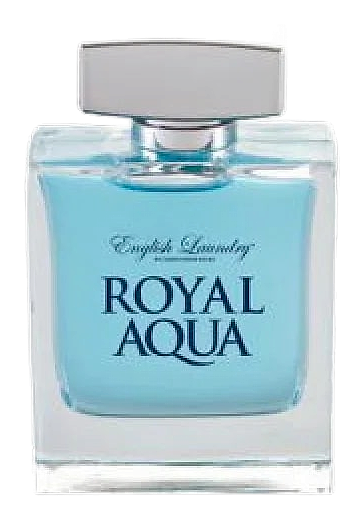
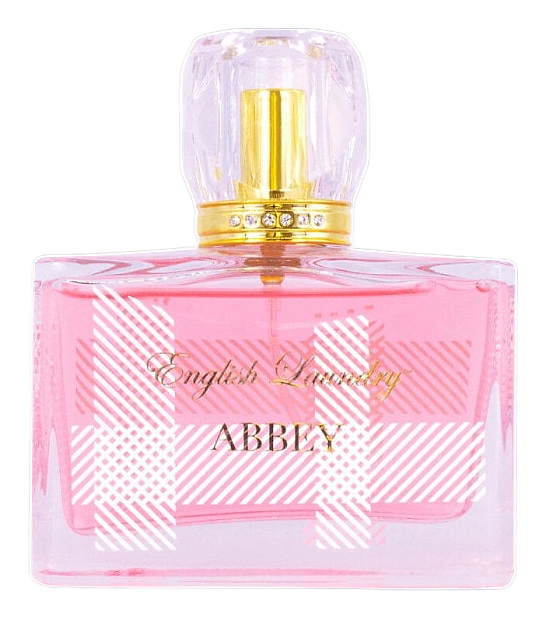
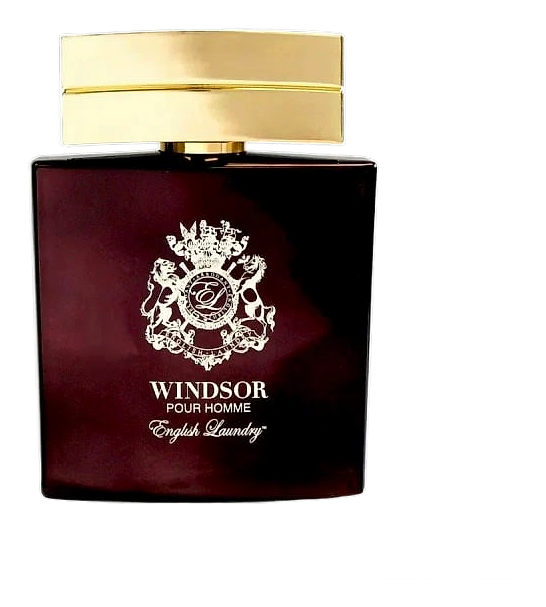
Christopher Wicks grew up in Manchester during the 1960s, an industrial city with deep roots in textile manufacturing and the very concept of fine laundering. His personal connection to fabric care and English craftsmanship reportedly shaped his approach to fragrance creation. Wicks founded English Laundry in 2010, choosing a name that deliberately evokes the meticulous attention and quality associated with traditional English laundry services. The founding came at a time when the fragrance market was dominated by high-fashion houses charging premium prices, and Wicks aimed to offer an alternative rooted in English tradition rather than French fashion house prestige. Early releases included the Signature collection for both men and women in 2010 and 2013 respectively, establishing the brand's aesthetic of classic sophistication. The brand gained recognition gradually through fragrance communities and YouTube reviewers who appreciated the accessible pricing combined with traditional perfumery structures. Oxford Bleu emerged as a flagship product around 2014, becoming one of the most discussed releases in their catalog. The 2018 launch of London marked an attempt to compete with high-end niche releases by offering a similar profile at designer prices. Subsequent releases through the late 2010s and early 2020s expanded the range into various directions, from floral women's fragrances like Pink Brilliance (2021) to darker masculine compositions like Noir Castle (2021). The brand has maintained its focus on English heritage throughout its growth, though specific details about Wicks's background and training remain limited in publicly available sources. English Laundry operates with what appears to be an accessibility-first philosophy, seeking to bring quality fragrance to a broader audience rather than positioning itself within luxury exclusivity. The brand's name itself suggests a democratic approach, as laundering represents everyday care rather than rarefied luxury. Wicks reportedly draws inspiration from classic English perfumery traditions, the same heritage that produced establishments like Floris and Penhaligon's, but aims to make this sensibility available without the associated price barriers. The fragrance compositions tend toward familiar structures rather than experimental territory, suggesting an audience of consumers who appreciate traditional perfumery over avant-garde innovation. Rather than chasing trends, the brand appears to favor timeless profiles that can serve as wardrobe staples. The naming convention across the collection reinforces British cultural touchstones, with references to places (Oxford, Cambridge, London), institutions (Throne, Crown, Castle), and qualities (Signature, Royal) that collectively paint a picture of English refinement. This naming strategy serves both as marketing and as philosophical statement, positioning each fragrance as part of a broader narrative about heritage and belonging.