


Heritage
A house, in its own words
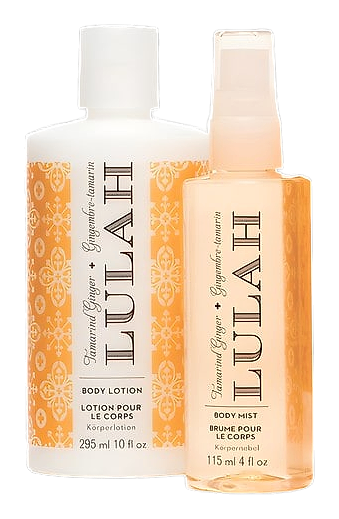
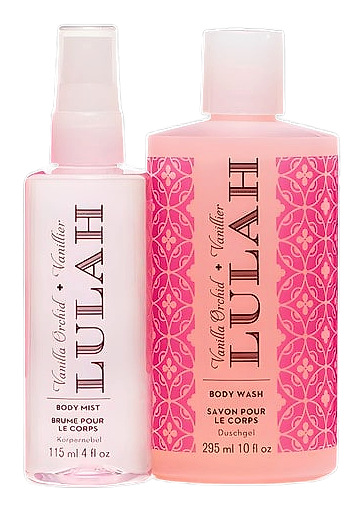
Lulah traces its story to the UAE in 1997, when perfumery veteran Abdulhaq M. Ghaffar established the house with more than 45 years of experience behind him. His background gave the young company a direct connection to established aromatic traditions while placing its production under its own roof. Rather than relying entirely on third-party manufacturing, Lulah developed an in-house facility, a practical choice that shaped how the brand controlled its fragrance work. The house grew from a local Emirati foundation into an international business with a reported presence in more than 80 markets. Its early catalogue is especially associated with Lulah perfumes, including the original Lulah scent and scents built around floral, citrus, vanilla, and spice facets. By 2013, the brand had introduced Lulah for women, Lulah Men, and the Lulah concentrated perfume collection, which included Magnolia Fig, Peony, Citron, Vanilla Orchid, and Tamarind Ginger. This marked a visible expansion from the founding line into distinct variations and more expressive fragrance concepts. The 2013 release history is particularly useful when navigating Lulah’s catalogue, because contemporary listings can also surface similarly named perfumes from other independent labels. Taken as a whole, the house’s history rests on three concrete foundations: a 1997 founding date in the UAE, the founder’s extensive perfumery background, and the decision to maintain its own manufacturing facility. Lulah’s creative outlook is grounded in the UAE’s relationship with scent. The house emerges from a region where fragrance has long been part of hospitality, identity, memory, and daily ritual, and its compositions frequently draw on that cultural inheritance without limiting themselves to a single aromatic vocabulary. The 2013 concentrated collection shows this breadth in practice. Magnolia Fig and Peony explore floral themes, Citron introduces a bright citrus register, Vanilla Orchid balances familiar sweetness with a floral dimension, and Tamarind Ginger turns toward spice and tart fruit. This range suggests a preference for accessible scent families interpreted with compositional polish, a defining feature of Lulah’s market identity. The decision to manufacture in-house also informs the house’s philosophy. Owning production keeps fragrance development closer to the brand and gives the company greater control over the path from concept to finished bottle. Lulah’s international reach, reported across more than 80 markets, indicates an intention to present Emirati perfumery to a wider audience while retaining the house’s regional roots. Public materials for the brand are limited, so specific claims about its creative process, sourcing standards, or artistic collaborators should be treated with caution unless supported by further documentation.