Heritage
A house, in its own words
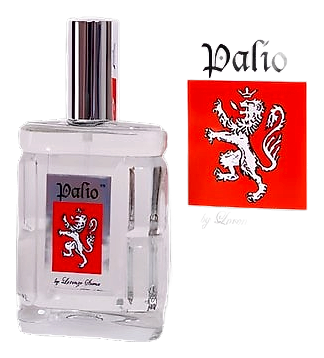
Lorenzo Siena was founded in New York in 2006 by a young entrepreneur who had only recently completed high school. The early origin story gives the house an appealing sense of youthful independence. Rather than beginning with an established catalogue, the brand developed around a single idea: create a fragrance with a distinctive cultural name and an expressive character. Palio was launched in 2008 as the debut release, establishing the visual and naming language still associated with Lorenzo Siena. The fragrance was created for men and carried the alternative name Lorenzo Siena 2008, with the year becoming part of its identity. Palio’s name refers to Siena’s famous Palio di Siena, the traditional horse race whose history is rooted in the city’s medieval civic culture. This reference gave the fragrance an identity beyond a conventional product title. It linked a New York perfume house to an old Italian ritual through atmosphere rather than imitation. The available history remains deliberately concise, with Palio serving as the decisive early milestone and the foundation for the Lorenzo Siena name. Much of the material that appears in broad searches around “Lorenzo Siena” concerns the separate Italian house founded by Lorenzo Villoresi in Florence in 1990. The two names are easily confused, particularly because both use Lorenzo and reference Siena. Their histories are distinct: Lorenzo Siena was founded in New York in 2006, while Maison Villoresi was established in Florence in 1990 by the perfumer Lorenzo Villoresi. Keeping those histories separate is essential to understanding Lorenzo Siena accurately. Lorenzo Siena’s creative direction can be understood through the strong narrative attached to Palio. Instead of presenting fragrance as a neutral accessory, the house builds an atmosphere around place, memory, and ritual. The reference to Siena’s Palio is especially important because the race is not merely decorative imagery. It represents competition, civic identity, pageantry, and the charged atmosphere of a historic Italian event. Translating that spirit into scent suggests a more expressive register than a conventional clean or status-oriented men’s fragrance. The founder’s youth, given that the house was founded soon after high school, also points to an independent, self-starting approach. It is a small creative project with a clear first statement rather than a large portfolio assembled for volume. The name “Lorenzo Siena” itself remains compact and strongly branded, avoiding the kind of extended naming conventions that can dilute recognition. Palio and Lorenzo Siena 2008 offer two related ways of presenting the same debut scent, balancing heritage with a date-led modern identity. The perfume’s reception among fragrance enthusiasts, including early reviews dating back to 2013, indicates that the house found an audience through the fragrance’s personality rather than through an extensive range. The philosophy is therefore best described as focused and narrative-led: establish one memorable scent, connect it to a vivid cultural reference, and allow the bottle and name to carry a consistent identity.