Lorenzo Siena
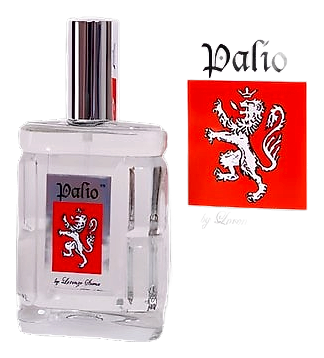
Lorenzo Siena belongs to a small circle of Italian perfumers who built their names away from the familiar giants of the fragrance world. Little is documented about his training or early career, but his debut release, Palio, arrived in 2013 and immediately placed his name on the map. The name carries Tuscan weight, an echo of Siena's palio tradition, where horses and riders compete in a ritual that has shaped the city's identity for centuries. That sense of occasion, of costume and ceremony, feels apt for a perfumer choosing an independent path. Siena's story remains somewhat veiled: the early years, the influences and the exact moment he decided to compose are not widely recorded. What is clear is that he entered the industry with a singular release and a point of view that refuses to look like anyone else's. For collectors of lesser-known Italian perfumery, he occupies an intriguing position, part document, part discovery.
The hits
Notable creations
The signature
How Lorenzo composes
With only one confirmed creation in the public record, Siena's style is best described through Palio rather than a broad catalogue. The debut is a men's fragrance, and its name points toward the masculine register of leather, smoke and sun-warmed stone that such names typically invite within Italian perfumery. His materials seem to favor classical European building blocks: aromatic notes, woods, spices and the dry edges that give a composition its structure. Working independently, he likely retains latitude over formula and presentation, allowing a fragrance to develop at its own pace rather than conform to a house style. The Italian habit of treating cologne and eau de toilette as serious creative forms also feels relevant here. Expect Siena's work to reward attention, with details that sharpen over time rather than announcing themselves at first spray.
Philosophy
What drives Lorenzo
Siena's creative philosophy appears rooted in the Italian tradition of fragrance as an expression of place and identity. The name Lorenzo Siena itself insists on a connection to Tuscany, to Siena's history and its proud palio culture. Palio, his debut, suggests he thinks of perfume as ceremony: something worn for a specific moment rather than a permanent signature. Independent perfumers often work with a freer hand than their counterparts inside major houses, and Siena's relative distance from the commercial mainstream likely shapes that sensibility. He appears drawn to fragrance that carries narrative and atmosphere, compositions that evoke a setting or a memory rather than simply please. The limited record of his work makes it difficult to trace his influences with precision, but the instinct is legible: Italian warmth, historical reference, and the conviction that scent can mark an occasion the way a ceremony marks the calendar.
The houses