




Heritage
A house, in its own words
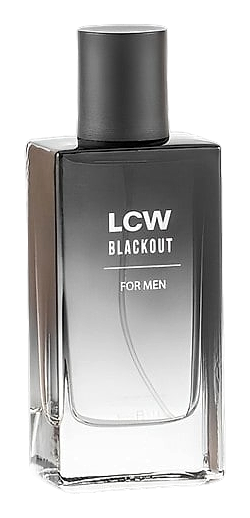
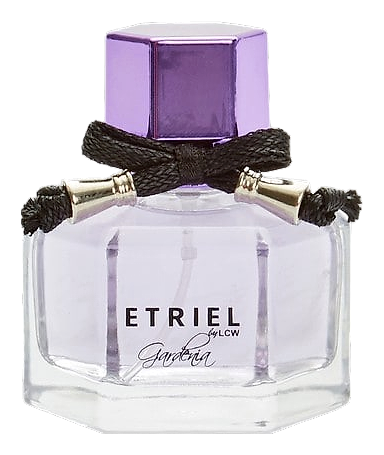
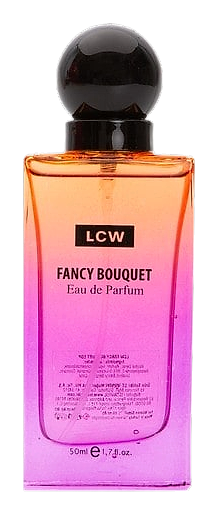
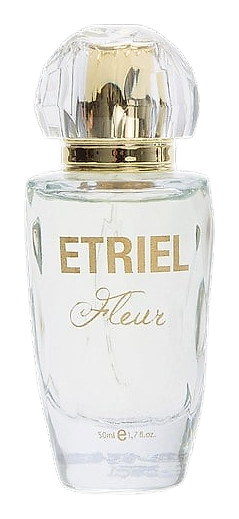
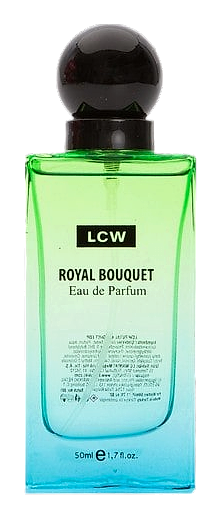
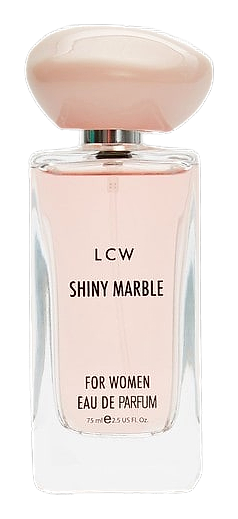
LC Waikiki began in Paris in 1988, founded by three French-origin partners as a wholesale clothing brand. One of those founders was reportedly Georges Amouyal, and the company was initially registered as a subsidiary of DDKA. The name itself is derived from the French words Les Chemises (shirts) combined with a reference to Waikiki beach, a nod to the relaxed, sunny aesthetic the founders wanted to project. In the early years, the brand operated primarily as a wholesale label, supplying clothing to French retailers rather than running its own stores. That changed in 1997, when Istanbul-based Tema Tekstil, part of the Taha Group, acquired LC Waikiki. The purchase gave the brand a new operational base in Turkey and a fresh growth strategy. The headquarters moved to Istanbul, and the company began opening standalone retail locations, first in Turkey and then across neighboring markets. Through the 2000s, LC Waikiki expanded aggressively into Eastern Europe, the Middle East, North Africa, the Balkans, and Central Asia, eventually operating over a thousand stores in more than 50 countries. The clothing business remained the core, but the brand gradually widened its scope to include accessories and home goods. Fragrance entered the picture relatively recently, with the first perfumes appearing around 2018, followed by a much larger wave of launches from 2022 onward, bringing the current catalogue to roughly 30 scents. That move marked a shift from purely fashion to a fuller lifestyle brand, giving customers who already buy LC Waikiki clothing an extension of the label into personal scent. LC Waikiki's fragrance line reflects the same accessibility-first approach that defines its clothing business. The company positions its perfumes as part of an everyday lifestyle, aimed at the same families, young adults, and value-conscious shoppers who buy its apparel. Rather than chasing rare ingredients or limited distribution, the brand focuses on producing scents at a price point that most of its customers can afford. The catalogue leans into variety, with 30 fragrances covering fresh aquatic profiles, woody orientals, sweet gourmands, and clean florals, suggesting an intent to give shoppers a wide choice without asking them to navigate the complexities of niche perfumery. There is also a clear effort to align scent with the visual identity of specific clothing sub-lines. Collections like LCW Jeans, LCW Vision, and the core LCW range each have their own fragrance counterparts, which suggests a philosophy of brand consistency: the same name on a t-shirt should mean the same thing as the name on a perfume bottle. In that sense, LC Waikiki treats fragrance as an accessory to its fashion world, a small, affordable luxury that completes the wardrobe rather than standing apart from it.