Heritage
A house, in its own words
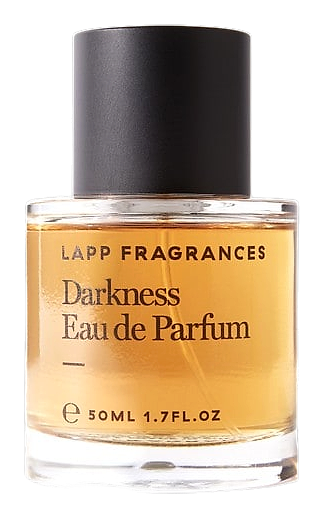
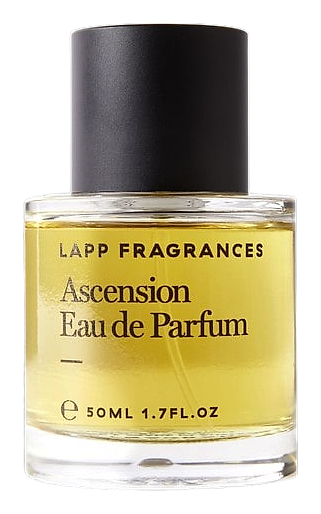
Lapp Fragrances began in Australia in 2017 under founder Peter Georgiou. The available record is concise, but it establishes a clear origin for the house and places its first known releases within the following year. Darkness and Ascension, both associated with 2018, form the early visible chapter of the Lapp Fragrances catalogue. There are no widely documented milestones in the supplied research beyond this founding and the two 2018 fragrances, so the house’s history should be understood through its work rather than through a long institutional narrative. That limited record is itself notable within contemporary niche perfumery. Many independent perfume projects grow rapidly, adding many releases and a wider retail footprint. Lapp Fragrances, as represented here, has remained visually and compositionally compact. Its identity rests on two named scents created in the first phase of its development. The name also carries an Australian identity and a direct, abbreviated form that suits a contemporary fragrance label. Peter Georgiou remains the central verifiable figure in the brand’s documented story, with the 2017 founding and 2018 releases providing the clearest chronological anchors. The philosophy of Lapp Fragrances can be read through the clarity of its naming and the deliberately small scale of the catalogue. Darkness and Ascension do not rely on elaborate fragrance titles or overt lifestyle imagery to define them. Their names set a mood and leave enough room for interpretation, a useful quality in niche perfumery where descriptive names can become stale. The house’s approach appears to prioritise the individual scent as the principal identity. Rather than spreading its message across a large collection, it lets each composition carry more weight. Darkness suggests depth and shadow, while Ascension points toward elevation and change. Neither label, however, fully discloses the olfactory story, preserving the sense of discovery that motivates fragrance exploration. The founding in 2017 also places Lapp Fragrances within a period when independent perfume culture was becoming easier to access outside conventional department-store structures. Its short catalogue suggests a personal, edited sensibility rather than mass-market expansion. This is not the language of technical rationalism, since no detailed creative manifesto or perfumer biography is available in the supplied sources. It is better understood as a restrained creative position: create a small number of distinct fragrances and allow their names and olfactory character to establish the identity of the house.