The Story
Why it exists.
The beginning
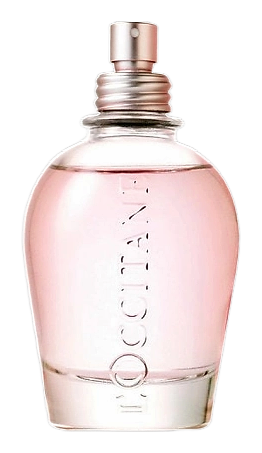
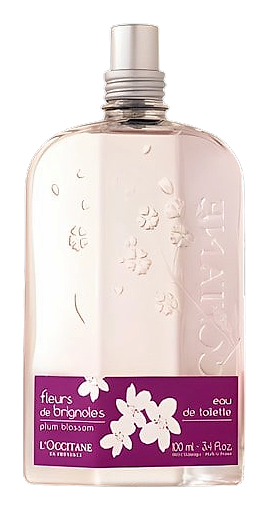
Fleurs de Brignoles takes its name from the town of Brignoles in the heart of Provence, where plum trees line the hillsides each spring. L'Occitane, which built its identity on translating the botanicals of southern France into wearable fragrances, saw the white plum blossoms, delicate, powdery, fleeting, as an ingredient worth capturing. The 2011 launch was an act of tribute: turning the ephemeral into something you could carry.
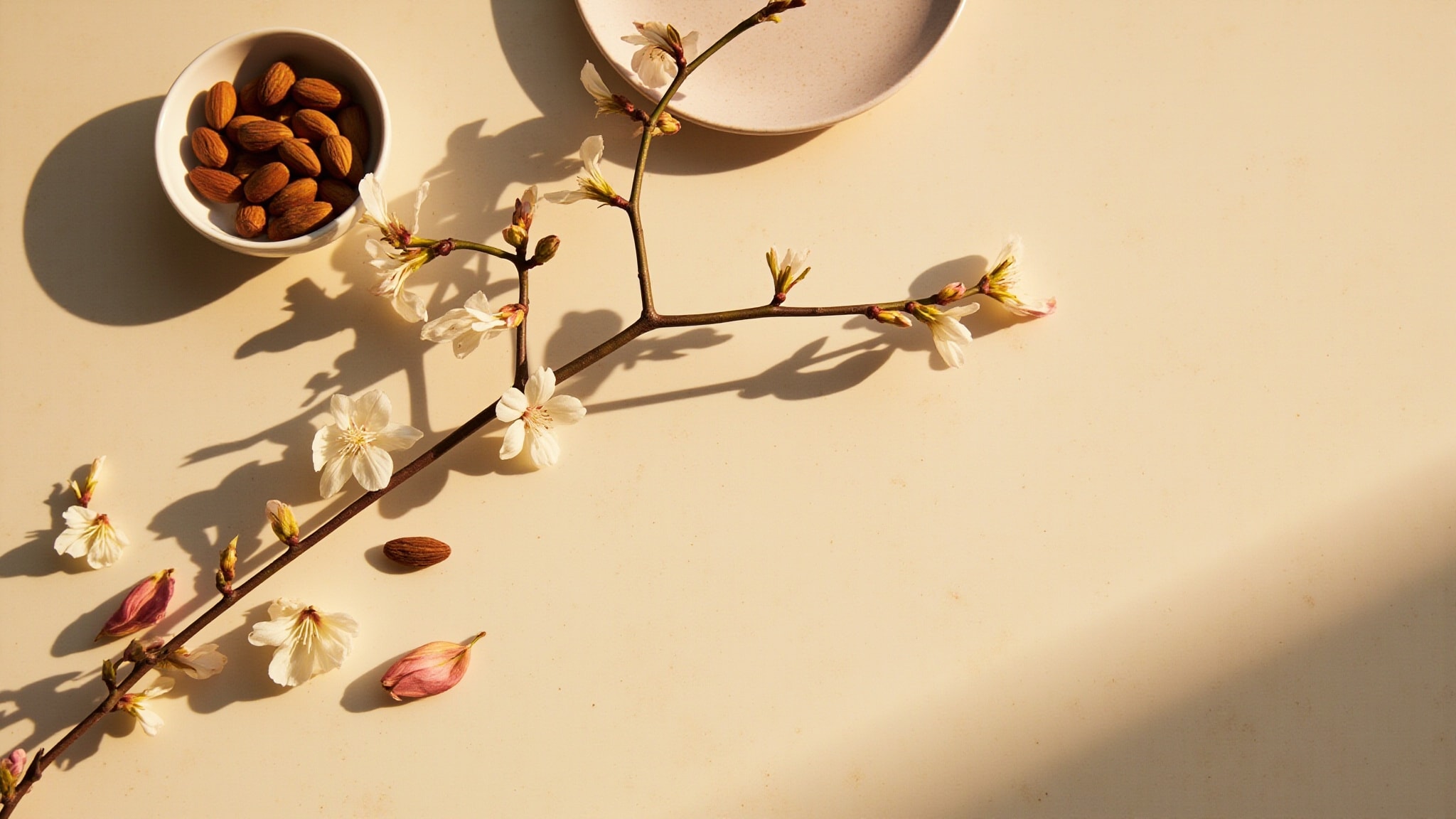
What makes this composition work is the tension between two qualities that rarely share space: powdery florals and edible warmth. Plum blossom gives the fragrance its clean, almost dewy floral character, the kind of smell that reads as fresh without being sharp. Almond shifts the register entirely, adding a creamy, nutty sweetness that rounds every edge. The result feels like skin, not perfume. Like the idea of petals, not the petals themselves.
The evolution
The opening announces plum blossom quickly, a clean, slightly sweet floral that feels almost transparent. Within minutes the almond asserts itself, adding body and warmth without heaviness. The two notes coexist for most of the fragrance's life, neither overwhelming the other. By the drydown, the floral softens further and the almond settles into a quiet skin-warmth that stays intimate and close. Four to six hours on most skin types, with moderate sillage that announces itself only to those leaning in.
Cultural impact
Since its 2011 launch, Fleurs de Brignoles has quietly accumulated a following among wearers who prefer their florals soft, sweet, and unobtrusive. It sits in the L'Occitane lineup as an alternative to the house's herbaceous and woody signatures, a fragrance for the customer who wants pretty without projection. The almond-cream quality places it in the broader floral-gourmand conversation, though its restraint keeps it from leaning fully into either camp.