



The Heritage
The Story of I Coloniali
I Coloniali is an Italian fragrance house that emerged in 1994, drawing on the craft of 14th‑century Venetian apothecaries. Over the years the label has built a modest catalogue of sixteen scents, ranging from the amber‑rich Ardent Amber (2012) to the spice‑laden Woody & Spicy (1994). The brand positions itself as a bridge between historic formulation techniques and contemporary olfactory preferences, offering both men's and women's compositions that reference traditional ingredients while speaking in a modern language of scent.
Heritage
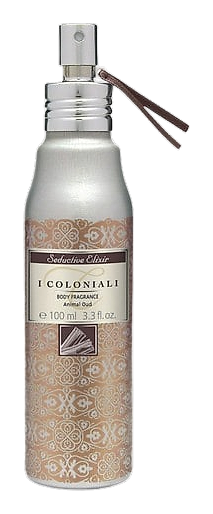
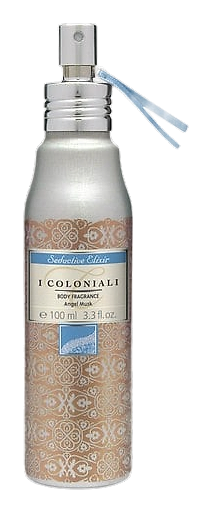
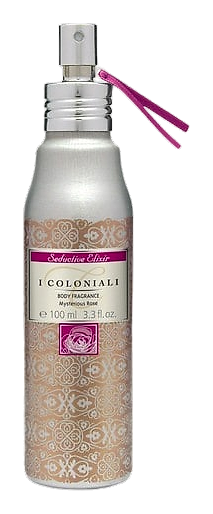
The story of I Coloniali begins in the spring of 1994, when a group of Italian artisans decided to revive the secret recipes of medieval Venetian apothecaries. Their workshop was set up in the Veneto region, a historic crossroads of trade where spices, resins and exotic botanicals first entered Europe. Early releases such as Macerato Aromatico per Uomo al Legno Guajaco (1994) and its companion for women, Macerato Aromatico per Donna alla Cananga di Java (1994), showcased a dedication to natural maceration processes that echo the methods described in 14th‑century manuscripts. By the late 1990s the brand expanded its palette, introducing Mirra & Mirra (1995), a fragrance that combined frankincense with warm amber notes, reflecting the continued fascination with sacred incense. The turn of the millennium saw I Coloniali experiment with oud, releasing Animal Oud in 2012, a scent that blended African animalic accords with traditional Italian craftsmanship. That same year the house launched a series of modern classics—Ardent Amber, Angel Musk, Sexy Vanilla, Mysterious Rose and Sensual Silk—each reflecting a different facet of the brand’s evolving aesthetic while staying rooted in the historic apothecary tradition. Throughout its history the label has maintained a low‑profile distribution model, favoring boutique retailers and specialty perfumery shops over mass‑market channels. This approach has allowed I Coloniali to preserve a sense of artisanal authenticity, even as it navigated the broader shifts in the fragrance industry, such as the rise of synthetic aroma chemicals in the early 2000s. The brand’s catalogue stopped expanding after 2012, but the existing scents continue to be re‑issued in limited batches, reinforcing the notion of timelessness that the founders originally envisioned.
Craftsmanship
Production at I Coloniali follows a hybrid model that blends traditional maceration with controlled laboratory techniques. Natural botanicals such as guajaco wood, cananga, and frankincense are first sourced from regions with a documented history of sustainable harvest—Guajaco from the Amazon basin, cananga from Java, and frankincense from Oman. These raw materials undergo a cold‑macération process lasting several weeks, allowing the volatile oils to infuse into a neutral carrier oil without the loss of subtle aromatics. After maceration, the extracts are blended with carefully measured synthetic aroma chemicals, such as iso e super or hedione, to achieve consistency and longevity. The blending stage takes place in a climate‑controlled facility in the Veneto region, where perfumers (often unnamed in public records) follow a documented formula sheet that references the original 14th‑century recipes. Each batch is then transferred to glass vessels for a maturation period of six to twelve months, a practice that mirrors historic perfume houses and helps the components integrate fully. Quality control includes gas‑chromatography analysis to verify the concentration of key aroma molecules, as well as sensory panels that evaluate the scent’s evolution over time. Bottling is performed by hand; the glass is selected for its inertness, and the caps are sealed with a waxed cork that bears the I Coloniali emblem. The final product is boxed in recycled paper with a minimalist label that lists the fragrance name, year of creation, and a brief note on its historical inspiration. This meticulous process ensures that each perfume delivers a stable, authentic olfactory experience that honors its heritage while meeting modern expectations of safety and performance.
Design Language
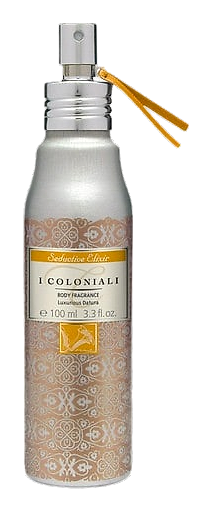
Visually, I Coloniali adopts a restrained, heritage‑inspired language. Bottles are typically clear or amber glass, allowing the colour of the perfume to become part of the design narrative. The caps are often fashioned from brushed metal or natural cork, echoing the apothecary tools of medieval Venice. Labels feature a serif typeface reminiscent of old manuscript headings, paired with a subtle watermark of the brand’s coat of arms—a stylised lion clutching a rose, a nod to the Venetian Republic’s symbols. The colour palette across the range leans toward earth tones—deep ochres, muted greens, and rich burgundies—reflecting the natural ingredients at the heart of each scent. Packaging boxes are crafted from thick, uncoated paper with a matte finish, printed with foil‑stamped details that catch the light without overwhelming the eye. This minimalist approach underscores the brand’s focus on substance over flash, inviting the consumer to explore the fragrance itself rather than be distracted by overt branding. In promotional photography, I Coloniali often places its bottles against textured backdrops such as aged wood, stone walls, or parchment, reinforcing the connection to historic craft. The overall visual identity conveys a sense of quiet confidence, positioning the brand as a custodian of tradition within the modern perfume landscape.
Philosophy
I Coloniali’s creative vision rests on a reverence for historical formulation paired with a willingness to reinterpret those recipes for contemporary wearers. The house believes that scent should act as a narrative device, transporting the wearer to a specific time or place—whether that is a Venetian workshop in the 1300s or a modern lounge in Milan. This narrative focus drives the brand’s choice of raw materials: ingredients are selected for their storied past as well as their sensory impact. The label emphasizes balance, seeking to avoid the extremes of hyper‑modern synthetics while still embracing the precision that modern analytical chemistry offers. Sustainability is approached through careful sourcing of natural extracts, with a preference for suppliers that practice responsible harvesting. Transparency is another pillar; I Coloniali provides ingredient lists on its product sheets, allowing informed decisions by consumers. The brand’s values also include a commitment to craftsmanship, ensuring that each bottle is assembled by hand and that the fragrance undergoes a minimum of six months of maturation before release. By marrying historic inspiration with present‑day standards of quality and responsibility, I Coloniali aims to create perfumes that feel both familiar and freshly discovered.
Key Milestones
1994
I Coloniali is founded in the Veneto region, launching its first two macerated fragrances for men and women.
1995
Release of Mirra & Mirra, a scent that blends frankincense with amber, marking the brand’s first major commercial success.
2000
Introduction of the Woody & Spicy line, expanding the portfolio into more complex, spice‑driven compositions.
2012
A prolific year sees the launch of eight new fragrances, including Animal Oud, Ardent Amber, Angel Musk, Sexy Vanilla, Mysterious Rose and Sensual Silk.
2015
I Coloniali begins limited‑edition re‑issues of its early 1990s scents, emphasizing artisanal bottling and hand‑sealing.
2020
The brand updates its visual identity, adopting a minimalist label design while retaining historic motifs.
At a Glance
Brand profile snapshot
Origin
Italy
Founded
1994
Heritage
32
Years active
Collection
1
Fragrances released
Avg Rating
4.3
Community sentiment
Release Rhythm


