

Heritage
A house, in its own words
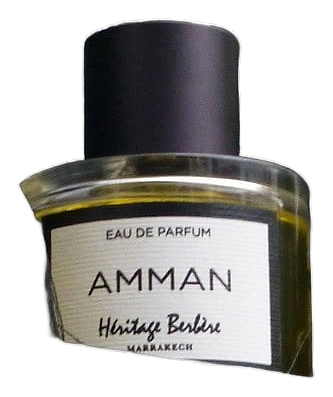
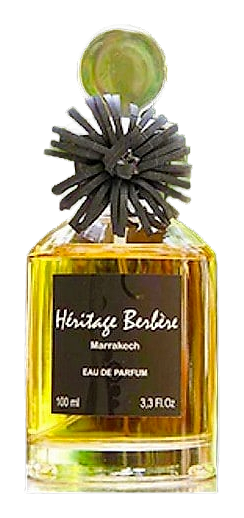
Héritage Berbère traces its origins to Marie-Jeanne Combredet's experience in Grasse, where she is reported to have established a fragrance activity in 1978. After decades spent working within the perfume landscape of southeastern France, she returned to her native Morocco in 2008 and founded Héritage Berbère. That move gives the brand a personal foundation: it began not as an abstract tribute to Moroccan culture, but as the work of a founder reconnecting with the country where she was born. Her trajectory from Grasse to Morocco also shapes the house's identity, joining French olfactory training with Moroccan materials, scents, and landscapes. The early catalogue includes fragrances such as The Pamplemousse Abricot and Figuier Sauvage, both dated to 2010, demonstrating that the house established a varied personal and lifestyle range soon after opening. Further releases, including Begram, Mascate, and Amman in 2016, continued to explore place through scent. HB Femme 03 also appeared in 2010, while later HB Femme references show the house's continued use of numbered names within its broader catalogue. The documented history is relatively recent compared with centuries-old European fragrance houses, but its founding story is unusually clear. Héritage Berbère grew from one founder's return home and a decision to build a fragrance house around Morocco rather than treat the country merely as an inspiration. Héritage Berbère approaches perfumery as a way of preserving sensory memories of Morocco. The name and the house's recurring references to landscapes, traditions, local aromatic materials, and cities suggest that fragrance functions as a carrier of cultural and personal associations. Orange blossom, fig, oud, incense, cedar, and spice provide a clear vocabulary for this approach. Rather than presenting Moroccan fragrance as a single style, the catalogue appears to use distinct ingredients and destinations to create varied impressions. This is visible in names such as Begram, Mascate, and Amman, which point toward specific places, alongside compositions built around orange flower or wild fig. The philosophy also extends beyond eau de parfum into candles, home fragrances, and skin care, allowing the house to construct fragrance as part of everyday domestic life. That choice supports the idea of scent as an atmosphere rather than a standalone accessory. Héritage Berbère's connection to Grasse adds another dimension. Combredet's background places the house within the wider culture of fine perfumery while its Moroccan identity gives its work a strong sense of material origin. The result is a house that can speak in familiar fragrance terms while remaining tied to the sensory character of North Africa.