

Heritage
A house, in its own words
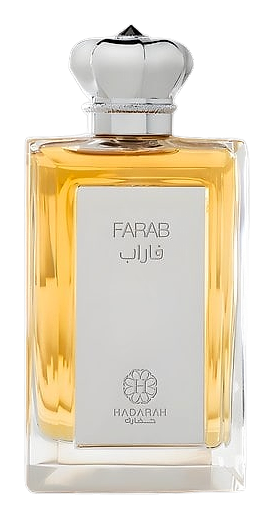
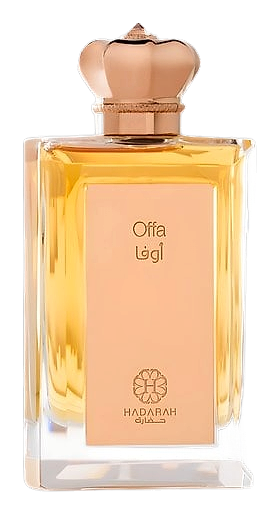
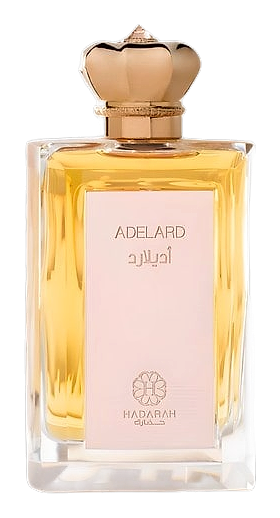
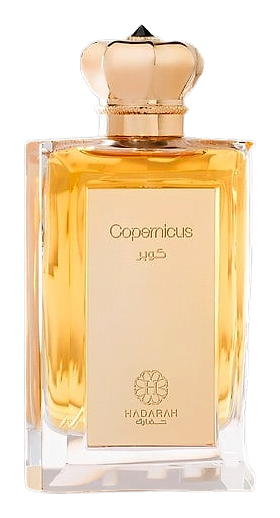
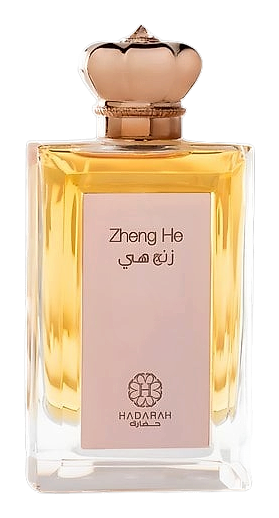
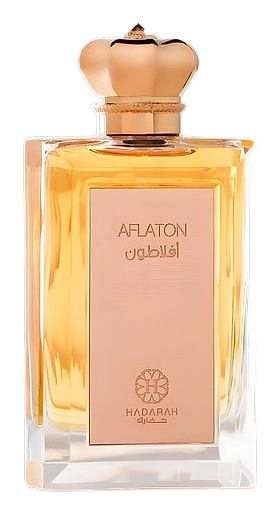
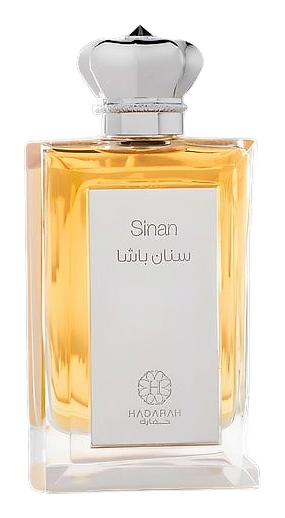
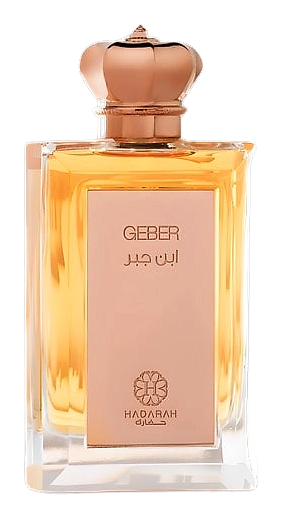
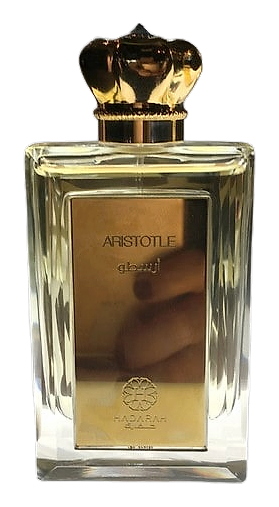
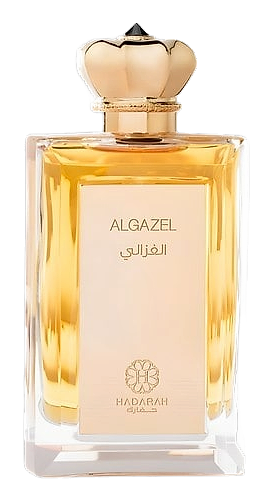
Hadarah Perfumes grew from the fragrance and oud culture of Kuwait, where regional perfume traditions meet the global language of contemporary niche perfumery. The house presents itself through scents connected to the Muslim world, a history shaped by aromatic ingredients such as oud, incense and rose, as well as by the movement of these materials through the Middle East. That context gives its name an architectural quality. The word “Hadarah” refers to a palace, while individual fragrances draw on the names of historic figures and places associated with the region. The collection includes Aristotle, a fragrance dated to 2016, and Hazarfen, also dated to 2016, placing recognizable works within the house’s early documented catalogue. Delicate Fleur d'Oranger followed in 2018. These release names and dates provide the clearest visible outline of the brand’s development, although the sources do not establish a conventional founding date. Hadarah’s identity also reflects the commercial influence of Dubai. The company’s own social media describes the brand as “a niche perfume house crafted in Dubai,” even though third-party listings more commonly identify it as a Kuwaiti perfume brand. Its products and oil collection have since reached the United States, with social announcements pointing to Miami’s Dadeland Mall and Atlanta’s Lenox Square Mall. The Miami store address listed publicly is 7535 N Kendall Drive. This is a house built around cultural reference rather than a single founder narrative. Its history is expressed through names such as Sinan, the celebrated Ottoman architect, as well as Zheng He, the Chinese voyager whose voyages linked maritime routes across Asia. The result is a collection rooted in regional olfactory culture, but deliberately placed within an international design context. Hadarah’s creative vision centers on the relationship between fragrance, cultural memory and atmosphere. Rather than treating perfume as a decorative accessory, the house builds each composition as an evocative environment. Arabian oud, incense and agarwood provide the cultural foundation, while florals, woods and contemporary musks give the work a modern finish. This is clearest in Offa, where olibanum lends its resinous character beneath bergamot and ylang-ylang, with lavender forming part of the heart of the composition. The naming strategy reinforces the same idea. Historical figures and travelers become points of entry for stories about place, power, distance and discovery. Aristotle and Copernicus connect the collection to the history of ideas, while Zheng He evokes a long history of navigation and exchange. Sinan brings the discipline of Ottoman architecture into the brand’s world of form and proportion. Hadarah also presents fragrance and oil as parallel formats. Oils concentrate the aromatic experience at the skin, while eau de parfum offerings extend it in a spray format. The house has described its identity through “a new sensual and contemporary fragrance and oil collection,” suggesting that tradition and present-day sensuality are intended to coexist. The broader approach is sensory rather than documentary. Its perfumes, incense and oud products place the wearer inside a cultural setting, using scent to suggest architecture, landscape and memory. Hadarah does not publicly attach a single perfumer to the collection, so the most defensible account of its authorship rests on the finished scent profiles and the house’s consistent use of aromatic materials with regional associations.