The Story
Why it exists.
The beginning
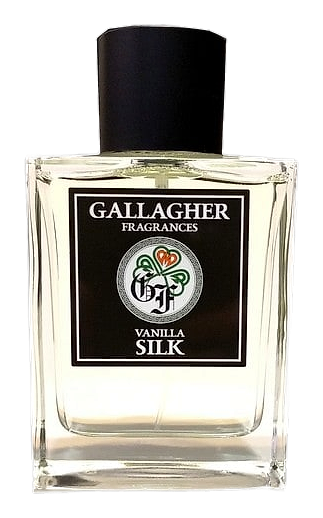
Vanilla Silk belongs to Gallagher's Silk Series, a collection built on tactile imagination rather than literal inspiration. The name is the brief. Daniel Gallagher wasn't interested in recreating a specific fabric or texture. He was interested in how silk feels against skin: the way it separates warmth from air, presence from announcement. Vanilla became the vehicle because vanilla does the same thing. It doesn't fill a space, it occupies it quietly, deeply, in a way that changes how you experience everything around it.
What makes this composition work is the restraint at its center. Vanilla carries inherent risk: it can tip into confection, into something that smells like it belongs in a jar rather than on skin. Gallagher's answer was the musk. Not loud or animalic, a white musk that softens the vanilla's edges and gives it somewhere to land. The woody notes don't arrive as a base so much as a floor. They keep the vanilla from floating upward and disappearing. By the time you reach the drydown, the fragrance has become less something you applied and more something your skin produced.
The evolution
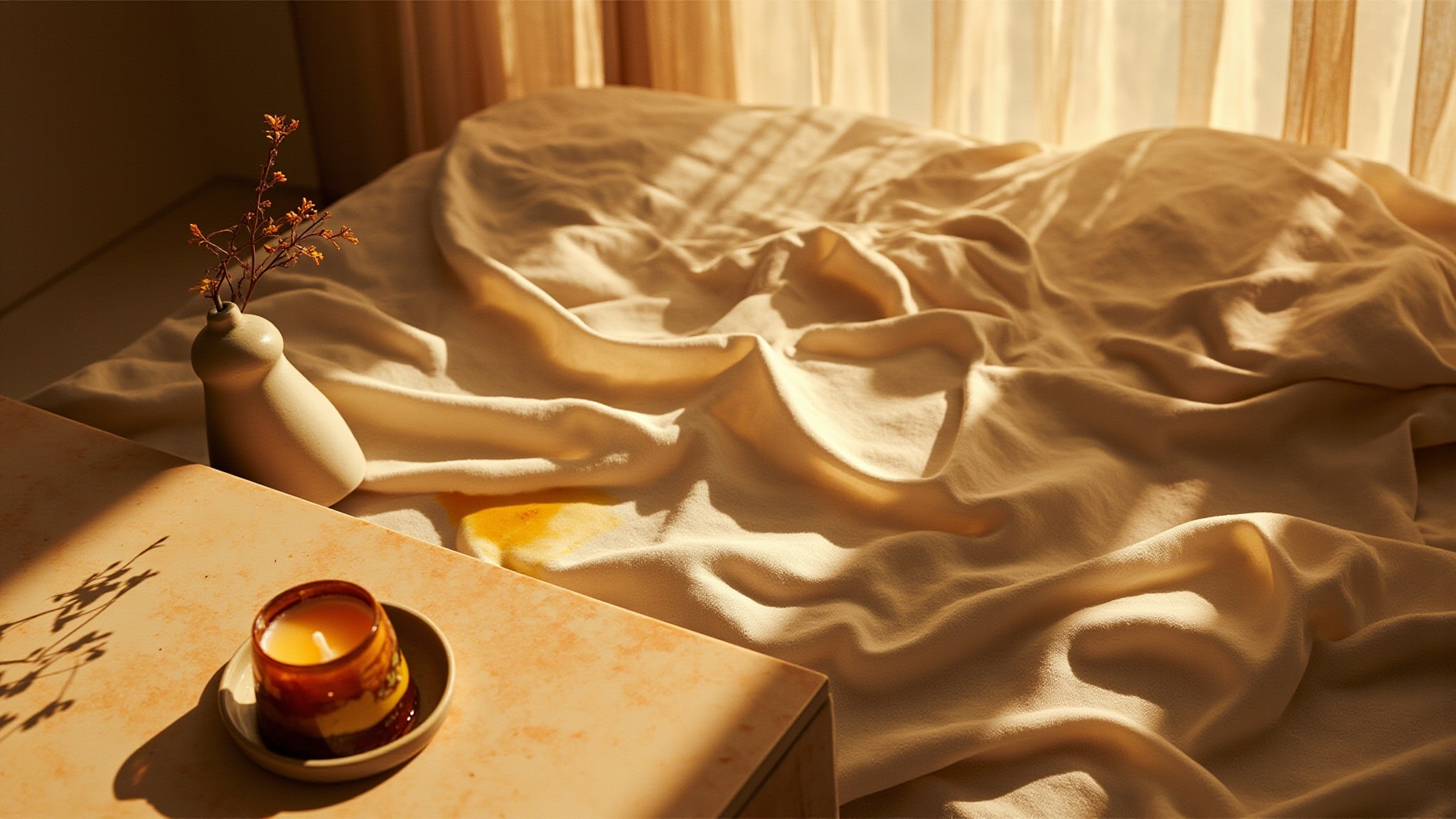
The opening is immediate: warm vanilla softened by musk, the kind of sweetness that doesn't announce itself. There's no sharp transition, the musk arrives within minutes and deepens everything, as though the vanilla is settling into the skin rather than sitting on top of it. The woody amber appears around the thirty-minute mark, not correcting the sweetness but grounding it. What follows is a long, quiet middle act, four, five, sometimes six hours of close warmth. The final drydown is the tell: a faint, slightly powdery sweetness that can linger on fabric long after the skin has moved on. On a scarf or a pillowcase, it might still be there the next morning.
Cultural impact
Discontinued yet still discussed. That's the mark of something that found its people. Vanilla Silk sits in the overlap between indie perfumery and collector culture, not obscure enough to be forgotten, not popular enough to be everywhere. The people who own it tend to keep it. The people who discover it tend to hunt for it.