Heritage
A house, in its own words
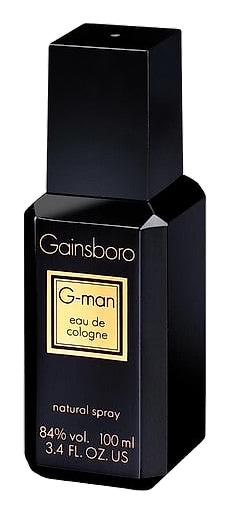
The story of Gainsboro Fragrance remains deliberately obscure, a circumstance that only deepens its appeal among fragrance historians and vintage scent enthusiasts. What can be established with reasonable confidence is that the house released G-MAN in 1971, a timing that placed the brand squarely within a transformative period for masculine fragrance. The early 1970s saw the fragrance industry grappling with shifting cultural attitudes toward scent, moving away from the heavy, sillage-driven compositions of the previous decade toward something cleaner but no less assertive. Gainsboro chose to participate in this conversation through G-MAN, a fragrance that reviewers have characterized as a true aromatic spicy, capturing what one enthusiast described as a genuine 1970s blast. The brand's apparent decision to release only this singular fragrance, rather than building a catalog, raises questions about its broader ambitions. Whether G-MAN represented a focused artistic statement or the culmination of a brief creative window, the fragrance has outlasted many contemporaries that opted for broader line development. Gainsboro's heritage, then, is partly about what is known (a 1971 release, a devoted niche following) and partly about deliberate mystery. The house did not seek to become a dominant force in perfumery. Instead, it created one artifact and allowed time to judge it. This approach, while commercially unusual, has resulted in a fragrance that feels genuinely discovered rather than aggressively marketed, a quality that resonates with collectors seeking authenticity in an industry saturated with rebranding and relaunches. The philosophy underlying Gainsboro appears to reflect a conviction that lasting impact requires fewer, more deliberate choices rather than continuous market presence. G-MAN, as the house's sole recorded fragrance, suggests a philosophy of the signature work rather than the collection. This approach mirrors certain artisan traditions where qualitysupersedes quantity and where a single creation can define a maker's entire legacy. The fragrance's 1971 release date implies a certain confidence in the composition, an unwillingness to hedge bets across multiple offerings. Rather than dispersing creative energy across a range designed to capture different market segments, Gainsboro apparently committed fully to one vision. The aromatic spicy character of G-MAN indicates an aesthetic sensibility aligned with traditional masculinity in fragrance, embracing boldness and directness over subtlety or ambiguity. This is not a scent designed to whisper; it projects, announces, and endures in the manner of an era when fragrance was expected to make a statement. The house's continued appreciation among collectors decades later suggests that this philosophy found its audience, even if that audience remained relatively small. Gainsboro seems to have accepted, or perhaps even cultivated, a position outside the mainstream fragrance conversation, speaking instead to those who seek the distinctive rather than the widely distributed. This philosophy of quiet confidence and committed singular vision represents an alternative model of success in perfumery, one measured in longevity and devotion rather than market share or industry awards.