
The Story
Why it exists.
The beginning
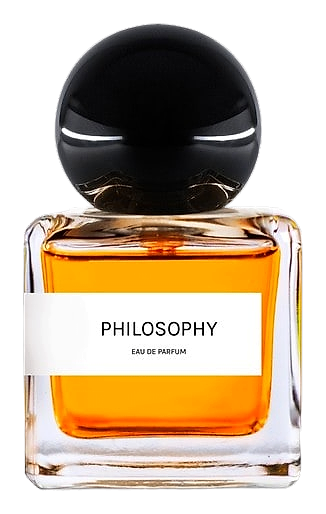
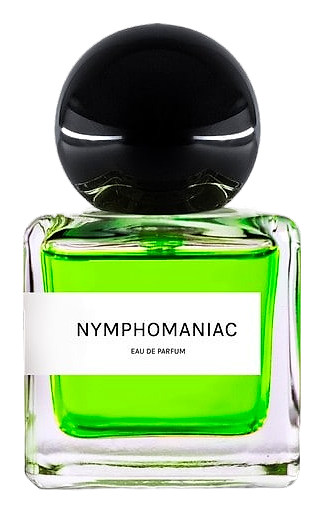
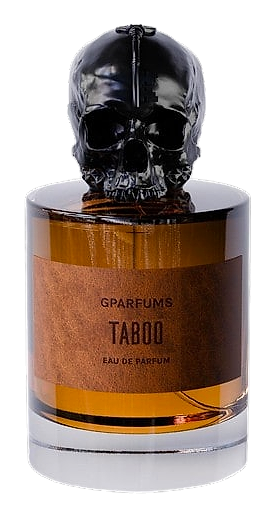
G Parfums has always worked in extremes. Nymphomaniac said its name and let the composition argue for itself. Taboo continues that thread, a fragrance named for something you're not supposed to want. Perfumer Oleg Grabchuk built the composition around a core of animalic materials that don't apologize for what they are. Castoreum, ambergris, and musk form the foundation, materials that carry weight and presence on their own terms. The result is a fragrance that confronts rather than seduces. It announces itself without apology, and what you do with that is your own concern.
What makes Taboo unusual is its restraint within extremity. Five notes. Not twenty. Castoreum, ambergris, musk, leather, and nagarmotha, a focused palette that lets each material speak without competition. The castoreum provides the animalic intensity, that leathery-fecal depth that fragrance houses often bury under florals or sweetners. G Parfums left it exposed. Ambergris does the counterweight work, adding marine-sweet complexity that keeps the composition from becoming one-dimensional. The nagarmotha grounds everything with an earthy, smoky finish. This isn't a crowded fragrance. It's a conversation between five materials that know when to stop talking.
The evolution
The first minute hits hard. Leather arrives sharp and slightly bitter, the smell of something old, smoked, dense. Within ten minutes, ambergris pushes through. The shift is sudden, like opening a window in that same old room and suddenly smelling the ocean instead of dust. The animalic quality builds over the next hour. Castoreum and musk layer in, and the composition becomes warmer, closer, almost uncomfortable in how personal it feels. This is the phase that divides people. By the third hour, the leather has softened. What remains is a skin-close musk that stays for hours, intimate, powdery at the edges, impossible to mistake for anything polite. On fabric, it lingers into the next day.
Cultural impact
Taboo relies on castoreum, ambergris, and leather as its primary materials. Castoreum, derived from beaver castor sacs, has functioned as a perfumery material, valued for its animalic depth and ability to anchor compositions. Ambergris brings its own maritime character, adding a mineral, almost salty dimension that rounds the sharper notes into something cohesive. Leather rounds out the trio, providing structure and a smoky backbone that ties the other materials together. The combination places Taboo within a lineage of fragrances that prioritize materials with presence over polite neutrality. These are not background notes.