The Story
Why it exists.
The beginning
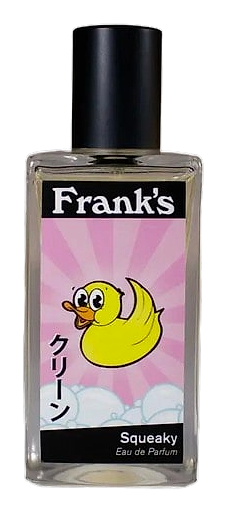
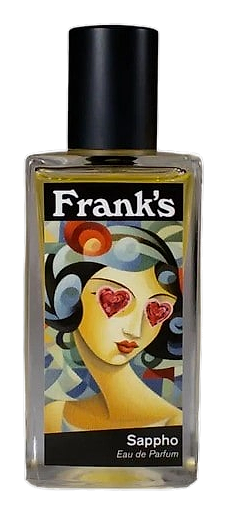
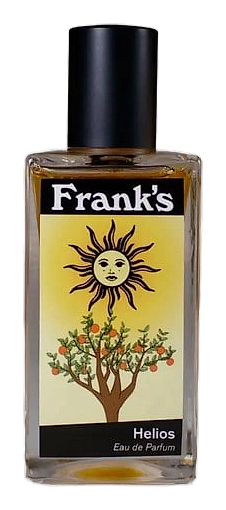
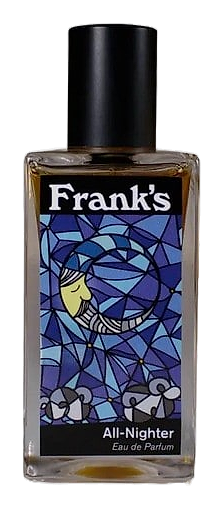
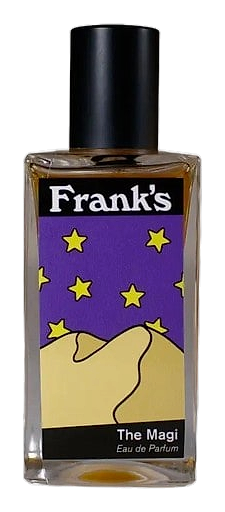
Frank Vigneron named this fragrance after the biblical Magi, the three wise men who followed a star across the desert. That origin gives The Magi its entire reason for being. Not a mood board. Not a season. A story. The fragrance translates that narrative into scent: dry earth, burning incense, spices warmed by a desert sun that doesn't forgive. Frank's Aromatics has built its catalog around names that suggest characters or situations rather than feelings. Psycho, Sappho, All-Nighter, each one a starting point for something specific. The Magi follows that logic. It's not a fragrance you wear. It's one you enter.
The note structure is deliberately spare. Air accord opens the composition, a breath of atmosphere before anything else arrives. Then frankincense, which carries its own weight: resinous, smoky, slightly medicinal in the way real temple incense can be. Spices layer in, warm without sharpness, giving the middle passage a texture that shifts as it develops. The base is soil, not green vegetation, but dry mineral earth, the kind that cracks under a hot sun. What makes this composition interesting is restraint. Each note arrives and stays. Nothing retreats quickly.
The evolution
The opening is cool. The spices don't announce themselves, they shift the temperature of the composition gradually, like a room warming in afternoon light. By the drydown, the soil note takes over. Mineral, dry, almost dusty. The frankincense resurfaces in the base, quieter now, like embers after the fire's gone. On fabric, longer.
Cultural impact
The Magi occupies an unusual position in niche perfumery, named after a biblical story, built from sparse materials, and released by a house that has never chased seasonal relevance. It doesn't have the cultural footprint of larger indie houses, but for those who seek fragrance as a form of self-invention rather than self-decoration, that obscurity is part of the appeal. Frank's Aromatics has cultivated a following among collectors who read fragrance names as starting points for imagination rather than marketing categories. The Magi fits that pattern: a fragrance that asks something of its wearer and rewards those who enter its world.