The Heritage
The Story of Exaltatum
Exaltatum is a London‑based niche perfume house that crafts scents with a classic French compositional mindset. Founded in 2016 by perfumer Eglija Vaitkevice, the brand positions each fragrance as a personal lift, echoing the Latin root of its name – the act of raising someone. Over the years the label has introduced a steady stream of releases, from the woody depth of Ruby Wood (2018) to the bright tea notes of Afternoon Tea (2024). The collection balances familiar accords with subtle twists, inviting collectors to explore familiar territories through a fresh, elevated lens.
Heritage
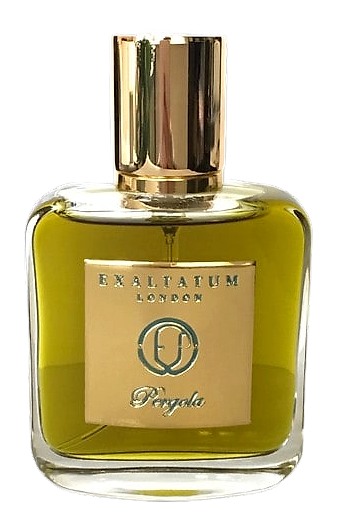
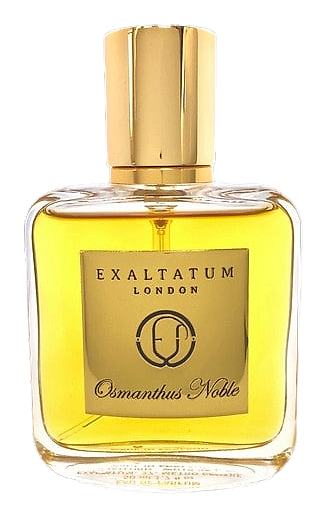
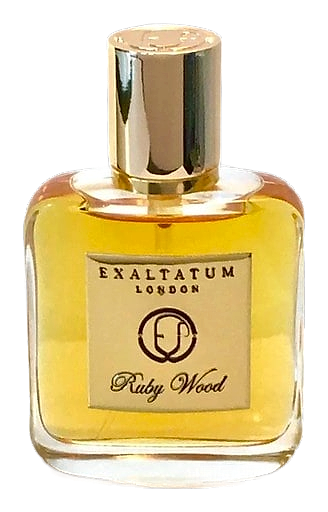
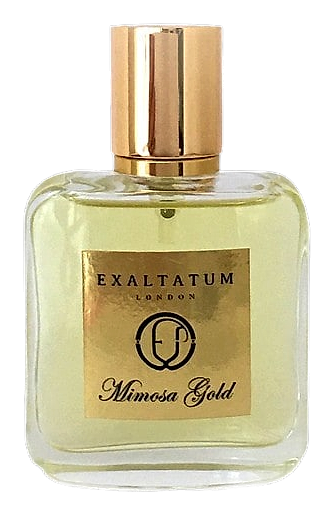
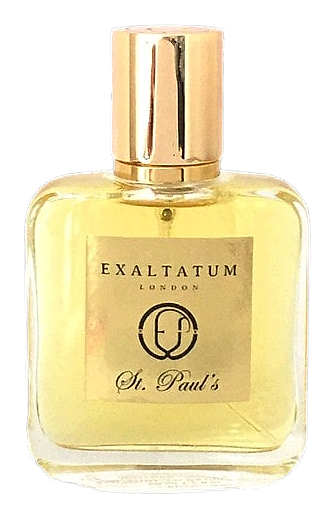
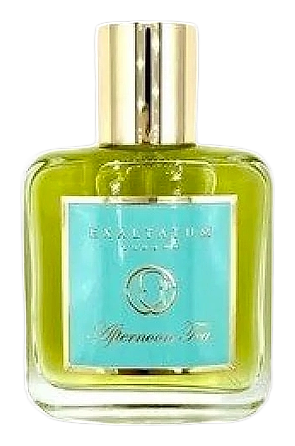
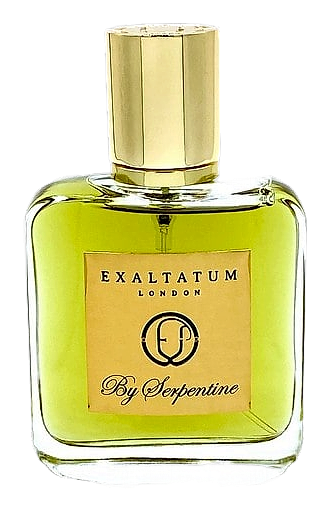
The story of Exaltatum begins in 2016 when Eglija Vaitkevice, a London‑trained perfumer, launched the brand from a modest studio in the city’s indie fragrance community. Vaitkevice chose the name Exaltatum to reflect a personal philosophy: each scent should raise the wearer’s mood, memory, or imagination. Early press noted the brand’s commitment to a classic French composition style, a choice that set it apart from many contemporary niche houses that lean heavily on experimental structures. By 2018 the house released three fragrances—Ruby Wood, Osmanthus Noble, and Pergola—each drawing on natural ingredients while adhering to a balanced, linear architecture reminiscent of mid‑century French perfumery. The following year, Mimosa Gold arrived, adding a bright, floral sparkle to the portfolio. In 2020 Exaltatum introduced St. Paul’s, a tribute to the iconic London cathedral, further cementing its connection to the city’s cultural landmarks. By 2022 the line expanded with By Serpentine, a scent inspired by the winding river that threads through London’s parks. The most recent addition, Afternoon Tea (2024), captures the ritual of a British tea break with nuanced tea leaf and citrus accords. Throughout its evolution, Exaltatum has maintained a small‑batch production ethos, allowing the founder to oversee each launch personally and preserve the brand’s intimate, artisanal character. The house’s growth has been steady rather than explosive, reflecting a deliberate pace that prioritises quality and creative integrity over rapid market expansion.
Craftsmanship
Exaltatum produces its fragrances in small batches, a practice the founder cites as essential for maintaining control over quality and scent integrity. According to the brand’s own descriptions, each perfume is hand‑blended in London using a blend of natural extracts and select synthetics that echo classic French perfumery. The sourcing process favors ingredients with traceable origins; for example, the rose oil in Ruby Wood reportedly comes from Bulgarian farms known for high‑quality petals, while the tea notes in Afternoon Tea are derived from Darjeeling leaf extracts. Production takes place in a modest studio where Vaitkevice oversees the weighing, mixing, and maceration stages, ensuring that each batch meets the house’s standards for balance and longevity. After blending, the mixtures rest for several weeks to allow the accords to meld fully, a technique common among traditional perfumers. Quality control includes olfactory testing by the founder and a small panel of trusted colleagues, who evaluate each batch for consistency with the original formula. Bottling occurs in glass vessels sourced from a UK supplier that provides clear, weighty bottles designed to protect the perfume from light exposure. The brand’s packaging is sealed with a simple metal cap, reflecting a minimalist aesthetic that keeps the focus on the scent itself. While the house does not disclose detailed cost structures, its emphasis on small‑scale production and careful ingredient selection suggests a commitment to artisanal standards rather than mass‑market efficiency.
Design Language
Visually, Extrimatum adopts a restrained, minimalist aesthetic that mirrors its fragrance philosophy. Bottles feature clean, cylindrical shapes with smooth glass, allowing the perfume’s colour to become the primary visual cue. Labels are printed in a muted serif typeface, often in black or deep navy, set against a plain white background; this choice reinforces a sense of quiet sophistication without relying on ornate graphics. The brand’s website and social media channels echo this simplicity, using ample white space, subtle photography, and occasional close‑up shots of raw ingredients such as wood chips or tea leaves. Packaging for limited releases sometimes incorporates a thin, textured paper sleeve that hints at the scent’s thematic inspiration—St. Paul’s, for instance, arrives in a sleeve bearing a faint outline of the cathedral’s dome. The overall image positions Exaltatum as a contemporary yet timeless house, appealing to collectors who appreciate understated design as much as olfactory nuance. By avoiding flashy branding, the label lets the perfume itself become the focal point, inviting consumers to engage with the scent on a personal level rather than being swayed by visual hype.
Philosophy
Exaltatum’s creative vision rests on the idea that fragrance can act as a gentle lift for the senses. The founder’s statement links the brand’s name to an intention: to raise someone’s spirit through scent. This guiding principle informs every decision, from ingredient selection to narrative framing. The house embraces the classic French composition method, which emphasizes a clear, harmonious structure: top, heart, and base notes that evolve predictably yet remain intriguing. Vaitkevice often describes her approach as a dialogue between tradition and personal memory, allowing familiar accords to serve as a canvas for subtle, unexpected details. Sustainability and ethical sourcing appear in the brand’s public statements, suggesting a respect for both the environment and the communities that provide raw materials. While the label does not claim industry awards, its consistent focus on craftsmanship and emotional resonance has earned it a modest following among fragrance enthusiasts who value understated elegance over flashier marketing. The philosophy also extends to the brand’s communication style, which favors warm, conversational language rather than lofty proclamations, inviting customers to experience each perfume as a shared story rather than a commodity.
Key Milestones
2016
Exaltatum founded in London by perfumer Eglija Vaitkevice
2018
Launch of Ruby Wood, Osmanthus Noble, and Pergola, establishing the brand’s classic French composition approach
2019
Release of Mimosa Gold, adding a bright floral dimension to the portfolio
2020
St. Paul’s introduced, paying homage to a London landmark
2021
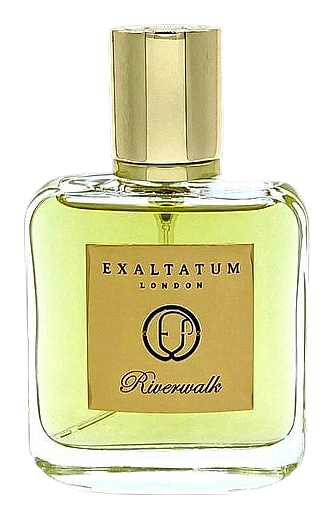
Riverwalk debut, expanding the line with a fresh, aquatic theme
2022
By Serpentine launched, inspired by the winding river through London’s parks
At a Glance
Brand profile snapshot
Origin
United Kingdom
Founded
2016
Heritage
10
Years active
Collection
1
Fragrances released
Avg Rating
3.7
Community sentiment
Release Rhythm


