
The Story
Why it exists.
The beginning
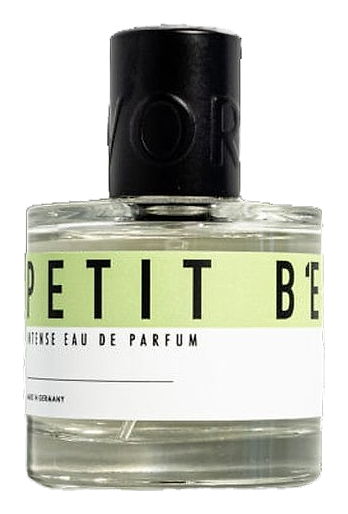
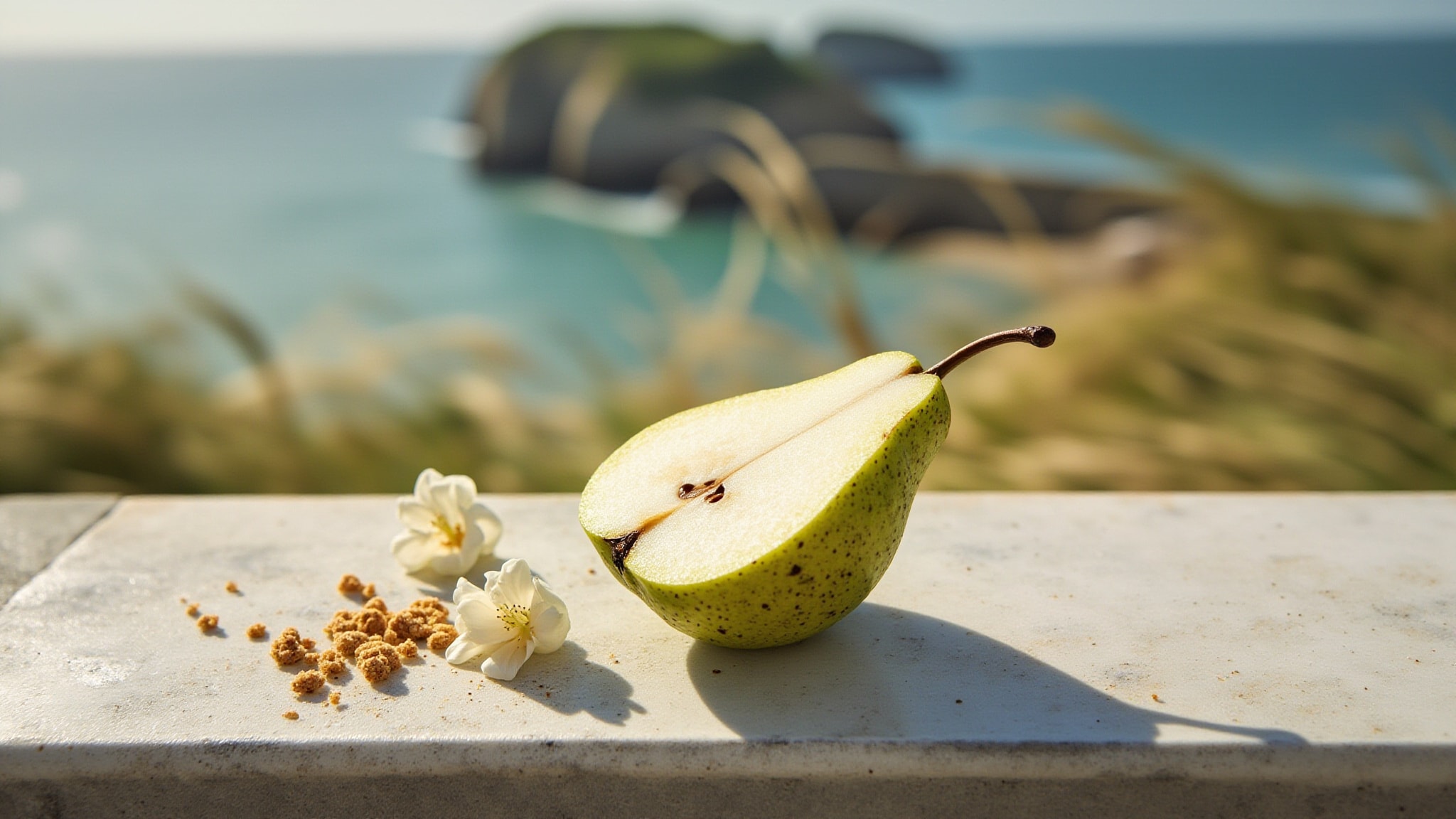
Petit Bé takes its name from a small tidal island in the English Channel, just off Saint-Malo in Brittany. The place is rugged, weather-worn, and unexpectedly lovely, shaped by salt and wind. Evora's composition borrows that same contrast: something rough-edged holding something soft. The name carries the compact scale of the island itself, a tiny place rendered with a sense of distance and atmosphere. That tension gives Petit Bé its character, joining bright fruit and warm floral sweetness with a rounded, gently edible accord. It's a fragrance to explore for the way its notes move between brightness and softness, each one changing the temperature and texture of the composition.
The composition works because it refuses to pick a side. Pear at the top brings cold, bright juice, the green bite of fruit that's barely ripened. Jasmine in the heart brings warmth and a slightly narcotic sweetness, the kind that feels alive on skin. Praline ties them together, a nut-sugar that smooths the transition from crisp fruit to indolic floral. The unusual move is the balance between fresh and sweet impressions. Petit Bé lets both remain present, and the praline is the hinge that holds them together.
The evolution
On skin, Petit Bé begins with a lively impression of pear, its green, almost grassy snap suggesting fruit that hasn't fully softened. A clean coolness runs beneath it, creating a brisk contrast with the fruit's bright acidity. As the scent develops, jasmine settles into the composition and shifts its temperature from cool to warm without becoming heavy. Praline appears as a gentle softening rather than a direct sugar hit, smoothing the jasmine's edges and giving the pear a velvet-like quality. The floral remains gently indolic while the fruit gradually rounds out, leaving a smoother, warmer impression. Through the wear, the fragrance keeps its contrast: bright fruit at first, creamy floral in the middle, and a soft nut-sugar accord underneath.
Cultural impact
Petit Bé brings together qualities that can feel opposites: the brightness of pear, the warmth of jasmine, and the rounded sweetness of praline. Its name suggests a small, exposed coastal place, while its scent develops with more softness and dimension than the name may first imply. The composition is especially compelling for the way it treats sweetness as part of a wider structure rather than as a standalone effect. Fruit gives it freshness, jasmine adds a living floral warmth, and praline supplies a smooth, nutty transition between them.