

Heritage
A house, in its own words
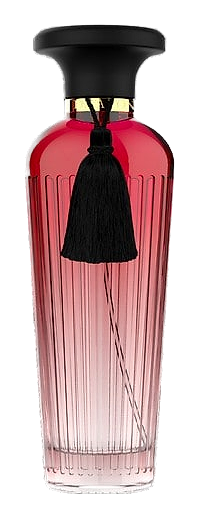
Dita Von Teese didn't just perform burlesque. She resuscitated it. As the movement's leading figure since the early 2000s, she filled theaters worldwide and made corsets, feathers, and the art of the tease part of mainstream conversation. The decision to launch a fragrance line felt like a natural extension. She told interviewers she approached perfumery almost like a stalker, studying the classics, drawn to the same sense of danger and sophistication she brought to the stage. The debut fragrance, simply named Dita Von Teese, launched in October 2011 at Soho House Berlin. That timing placed her among the first celebrity-performer fragrance launches, ahead of the wave of celebrity scents that followed. Rouge arrived in 2012, followed by Erotique and FleurTeese in 2013. After a long quiet period, the brand returned in 2023 with three new entries: Vaniteese, Victresse, and Vedette. A collaboration with niche house Heretic Parfum, Scandalwood, added another dimension to her olfactory world. The brand has maintained a relatively small catalog, treating each release as an event rather than a product cycle. The guiding principle behind every Dita Von Teese fragrance is dangerous beauty. It's a phrase she has used to describe her brand across multiple product categories, from perfume to candles to home interiors. The idea captures something specific: beauty that carries risk, allure that isn't safe or predictable. Her perfumes aren't designed to disappear into the background. They announce themselves. They linger. They leave an impression. This philosophy shapes every release. Each fragrance centers on rich florals, deep woods, or bold animalic notes. Nothing is incidental or generic. The brand has resisted the pressure to dilute its identity for mass appeal, maintaining a vision rooted in theatricality and vintage glamour. The result is a line that reads less like a celebrity endorsement and more like an extension of a carefully constructed artistic persona. Dita has described wanting her products to feel like objects of obsession rather than impulse purchases.