The Story
Why it exists.
The beginning
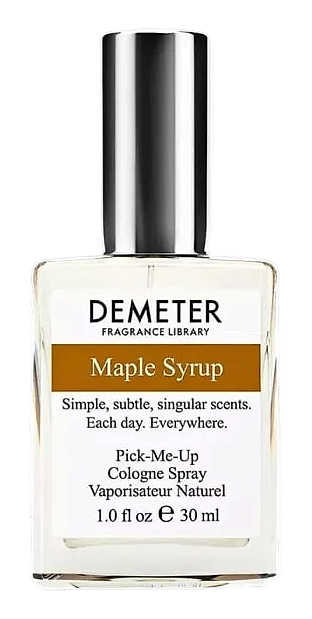
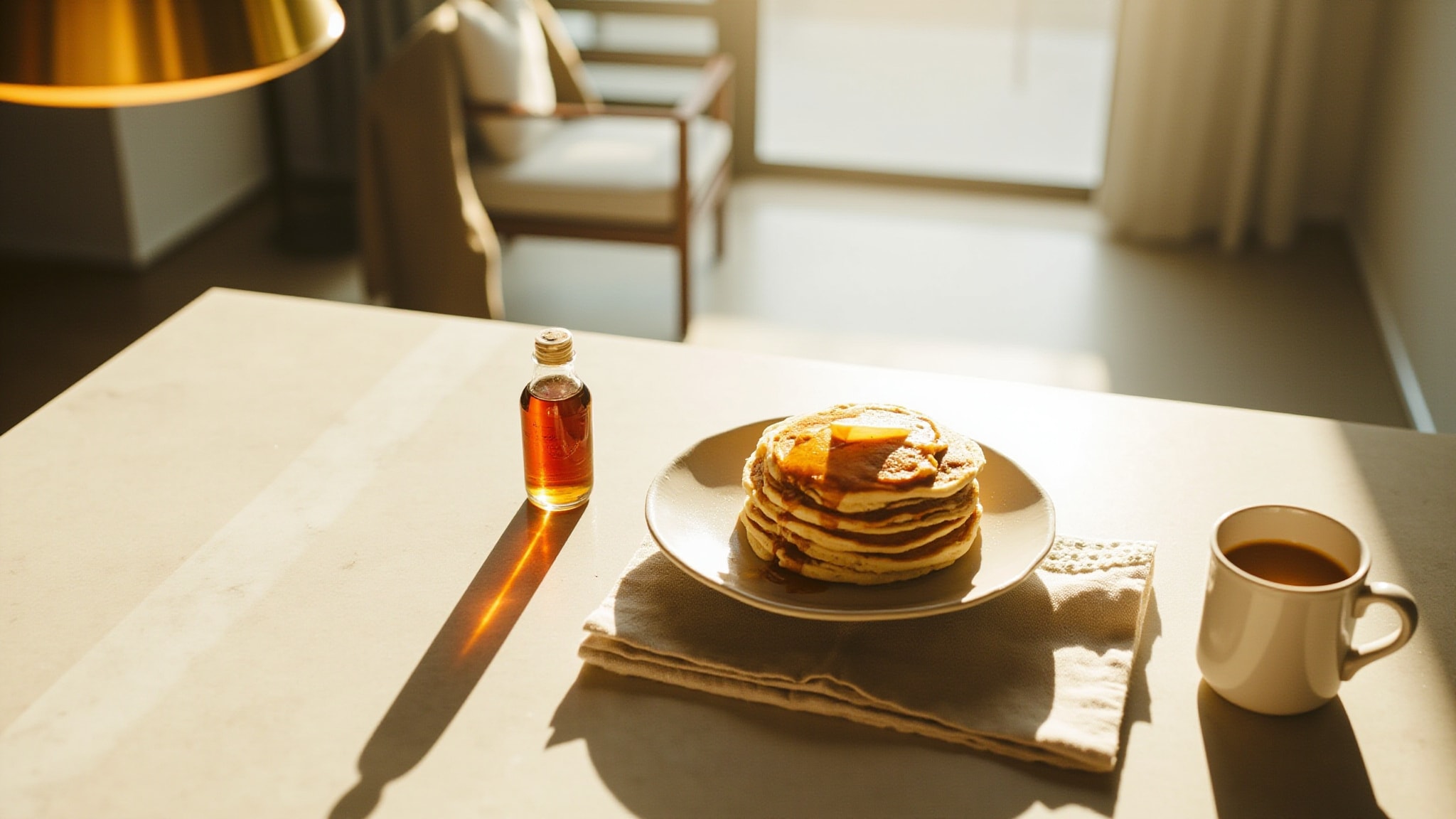
Maple Syrup launched in 2011 as part of Demeter's ever-expanding catalog of single-note scents, a collection that prizes simple, recognizable smells turned into something you can wear. It's for the wearer who finds wonder in thunderstorms, in vanilla extract, in a glass of orange juice. No occasion required. No status sought. Demeter built this scent around a single, clear idea. One smell you already know, translated to skin. Maple syrup was never a complicated inspiration. It's the smell of breakfast, of weekend mornings, of pouring something warm over something good. The brand made it wearable. The fragrance itself smells like a fresh pour straight from the bottle, dense and golden, with that unmistakable dark sweetness that comes from reduced sap.
What's interesting is the restraint. Demeter doesn't try to make maple syrup taste fancy. No bourbon accent, no smoked wood finish, no maple-bourbon-barrel backstory. Just the thing itself. In a fragrance world obsessed with layering and narrative, a single-note gourmand that's genuinely just one note becomes a kind of statement. The question shifts from "what does this smell like" to "what do you remember when you smell it." That approach makes the fragrance almost a Rorschach test. Someone who grew up with Saturday pancakes smells Sunday morning. Someone else smells camping. Someone else smells their grandmother's kitchen. The syrup is the same. The memories are personal.
The evolution
Maple Syrup doesn't pretend to evolve the way a layered composition does. It arrives as syrup. It stays syrup. What changes is the intensity and the edges. The opening is almost aggressive in its sweetness, the kind of pour that hits your nose before your eyes open. It's sticky, warm, dense. Twenty minutes in, the sharp sweetness rounds out. The caramelized edge softens. It becomes the after-scent of breakfast rather than the breakfast itself, the syrup that's cooled slightly on the plate. The dark, almost molasses-like undertone that was buried under the initial blast of sweetness comes forward, giving the scent a faint smokiness, a hint of burnt sugar at the back. This is the stage where the maple starts to feel edible rather than just sweet. By the two-hour mark, it settles into a quieter gourmand warmth. Less pancake-topping, more residual sweetness.
Cultural impact
Maple Syrup wears well on its own terms. It's not trying to be sophisticated or layered or mysterious. It just smells like syrup, and that honesty is the point. You wear it for the fun of it, the same way you might pick a fun t-shirt or a novelty mug. The appeal is honest. The fragrance is what it says it is. Since its 2011 debut, it has carved out a small, devoted following among people who treat scent as play. Wearing Maple Syrup to brunch is a small, edible joke. Wearing it in November, on a sweater, while walking past a leaf pile, is a private thrill. It rewards the wearer who treats fragrance as a mood and a moment, not a flex.