The Story
Why it exists.
The beginning
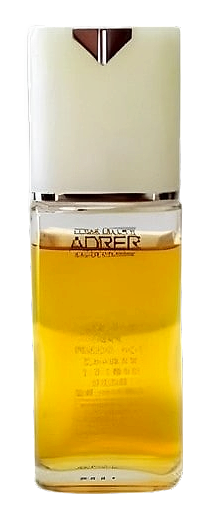
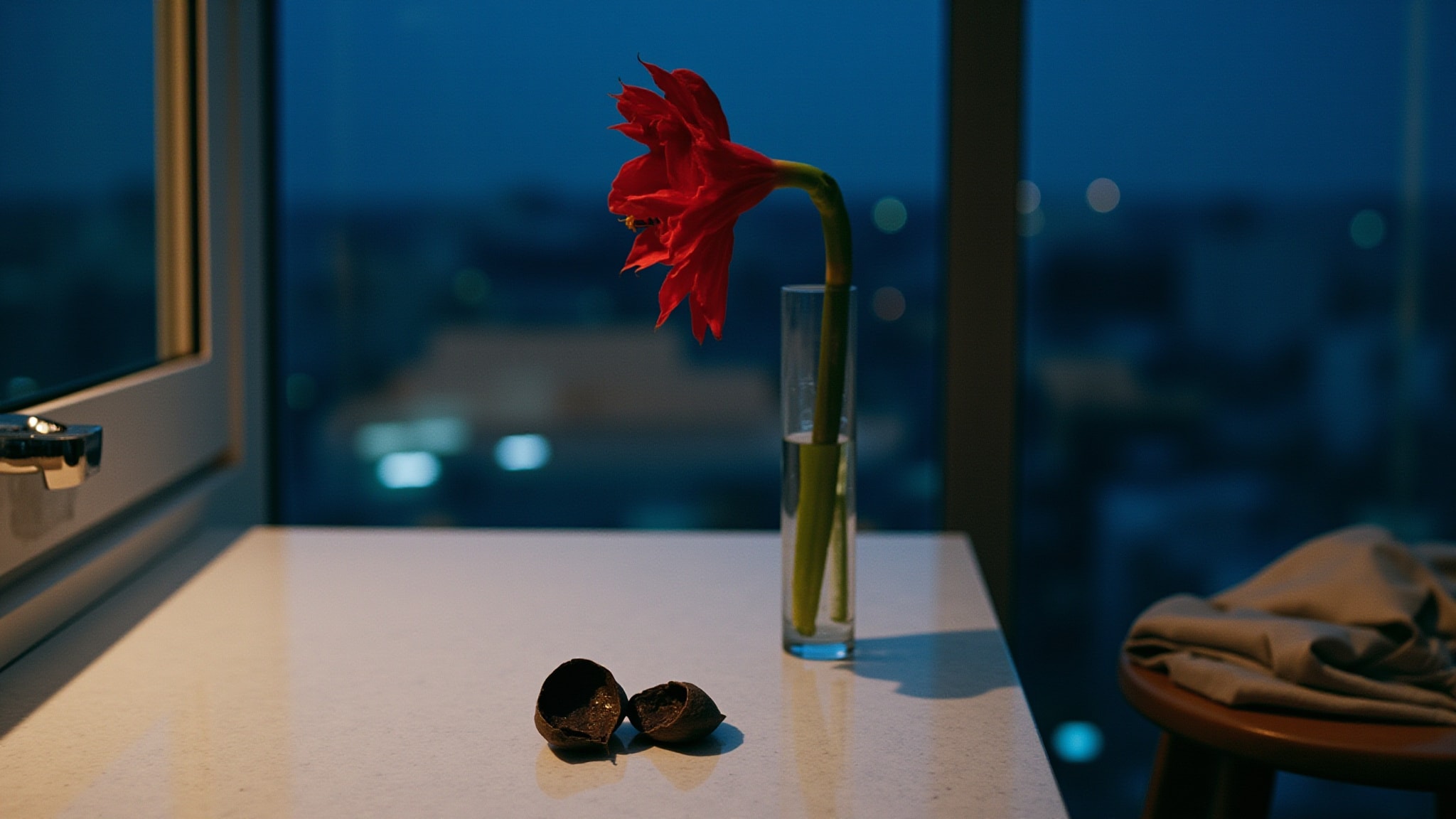
Adrer arrived in 1981 from Decorté, and it sits in a quieter corner of the house's catalog. The name 'Adrer' carries a Japanese cadence that has no tidy English translation, and the perfume itself resists easy paraphrase. Tonka bean, amaryllis, geranium, jasmine, and amber make up the spine of the accord, a lineup that reads almost as a statement of intent rather than a list of accents. There is no citrus overture, no crystalline opening. It begins warm and stays warm, built for the wearer who treats fragrance as atmosphere rather than announcement. What surprises on a first meeting is how the composition behaves like a single temperature from start to finish. The amaryllis contributes a soft, almost vegetal sweetness at the top that other fragrances would normally bury under a bright accord.
The interesting move here is the absence of the usual top-note machinery. No bergamot sparkle, no aldehydes, no green leaf. The result is a composition that arrives already settled, which can feel strange on first wear. Sniff harder. The geranium contributes a rose-adjacent warmth with a peppery edge, which keeps the jasmine from drifting into pure soap. Tonka bean bridges the floral heart to the amber base, lending a soft, vanillic gravity that does the work a traditional base note usually does.
The evolution
On skin, Adrer does not perform the usual overture-then-crescendo arc. It starts where most fragrances end. The first hour is the warmest stretch, tonka and amber reading almost edible, with amaryllis sitting just beneath, slightly waxy and a little old-fashioned in the best way. The jasmine adds a white floral shimmer that never fully surfaces, more suggestion than statement. Past the two-hour mark, the composition tightens. Geranium's herbal cool creeps forward, and the amber loses its vanillic edge and turns woodier, closer to warm paper than warm skin. By hour four, what remains is the drydown of a different perfume. Faint. Quiet. Skin-like. A trace of tonka, a thread of amaryllis, the memory of jasmine rather than the flower itself. The scent stays at reading distance for hours after that, the kind of trace you catch only when someone leans in.
Cultural impact
Adrer arrived in 1981, a warm, ambery floral built on tonka, jasmine, geranium, amaryllis, and amber. Its tonka-amber backbone places it in the late-1970s and early-1980s wave of warm, ambery florals that defined the Oriental category, yet Adrer carries none of the spice-forward fireworks those compositions are sometimes known for. The structure is closer to a quiet study than a portrait, and the composition pulls inward rather than projecting outward. What makes Adrer memorable is its discipline. Most orientals of its period lean on loud materials, heavy resins, and bold spice to build presence.