
The Story
Why it exists.
The beginning
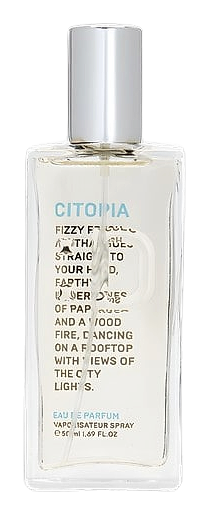
Citopia landed in 2023 from Bertrand Duchaufour, a perfumer who rarely repeats himself. Where most aldehydic fragrances reach for florals to soften the wax, this one reaches for smoke. The name itself hints at the tension: citrus meetsopia, a city-scale paradox of green growing from concrete, clean notes cutting through something darker. Duchaufour built Citopia around that contradiction. Aldehydes as architecture, not decoration. Lily of the valley as the brief green before the city takes over. The smoke isn't an accident or a trend-chase, it's the point. A counter-argument to the idea that aldehydes equal nostalgia.
What makes Citopia unusual is how the aldehydes behave. They don't announce and retreat. They stay, threading through the composition like a bass note, present but not dominant. The iris that follows is powdery in the classical sense, but the incense and ozonic notes in the heart keep it from going retro. Ozonic notes push against the expected sweetness. Incense grounds the florals. The result is aldehydic without being dated, contemporary in the way a concrete building with a rooftop garden is contemporary. The smoke in the base isn't barbecue or campfire. It's papyrus smoke. Myrrh smoke. The smell of something burned with intention, not accident.
The evolution
The opening hits immediately, aldehydes bloom bright and waxy, spreading quickly. Lily of the valley arrives within minutes, that characteristic green-floral lift cutting through the aldehydic weight. For the first thirty minutes, the fragrance reads clean, almost sharp. Then the hand-off begins. The florals recede. Incense and iris take their place, incense first, smoky and resinous, then iris settling into its powdery register. The ozonic notes add an unexpected coolness, a breath of something clean interrupting the warmth. This middle phase lasts two to three hours on most skin types, the smoke and iris playing off each other. The drydown is where Citopia earns attention. Musk, papyrus, myrrh, and woody notes compress into something close to the skin but persistently present. Smoke lingers longest, not projecting, just existing. Eight hours in, what's left is musky wood with a faint smoky edge, intimate and quiet.
Cultural impact
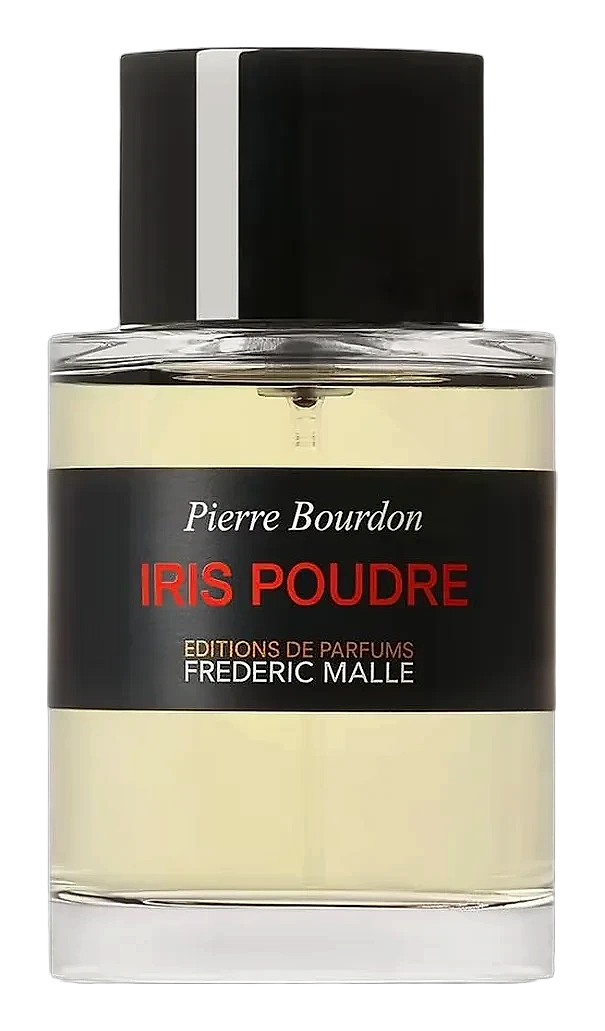
Citopia occupies an interesting position in contemporary aldehydic perfumery, it wears the aldehydes without apology but refuses the expected floral softness. Compared to Frederic Malle's Iris Poudre (powdery, woody, static) or his L'Eau d'Hiver (cold, citrus-soft, introspective), Citopia moves differently, smoke and ozonic notes keep it dynamic. Compared to Serge Lutens' Chergui (honey-tobacco, opulent), it stays leaner, less projecting. Wearers describe it as the fragrance of someone who knows aldehydes but doesn't need to announce it. The smoke-and-iris drydown has attracted people looking for something between classicism and modernity, not vintage, not avant-garde.