The Story
Why it exists.
The beginning
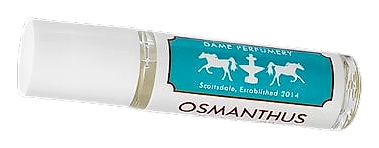
Jeffrey Dame built Dame Perfumery on a photorealistic premise: fragrance should smell like the thing itself, not an interpretation of it. The Soliflore collection isolates single botanicals, Rose De Mai, Wisteria, Ginger Lily, each treated as a complete composition rather than a supporting note. Osmanthus joined this lineup as the latest capture. The flower, native to Asia and treasured in Chinese perfumery, carries apricot blossom, green tea, and a warm-fruity sweetness that can disappear into other compositions or dominate without effort. Dame built Soliflore Osmanthus around that one flower with nothing to hide behind, creating a fragrance that asks whether a single botanical can hold attention the way a full accord does.
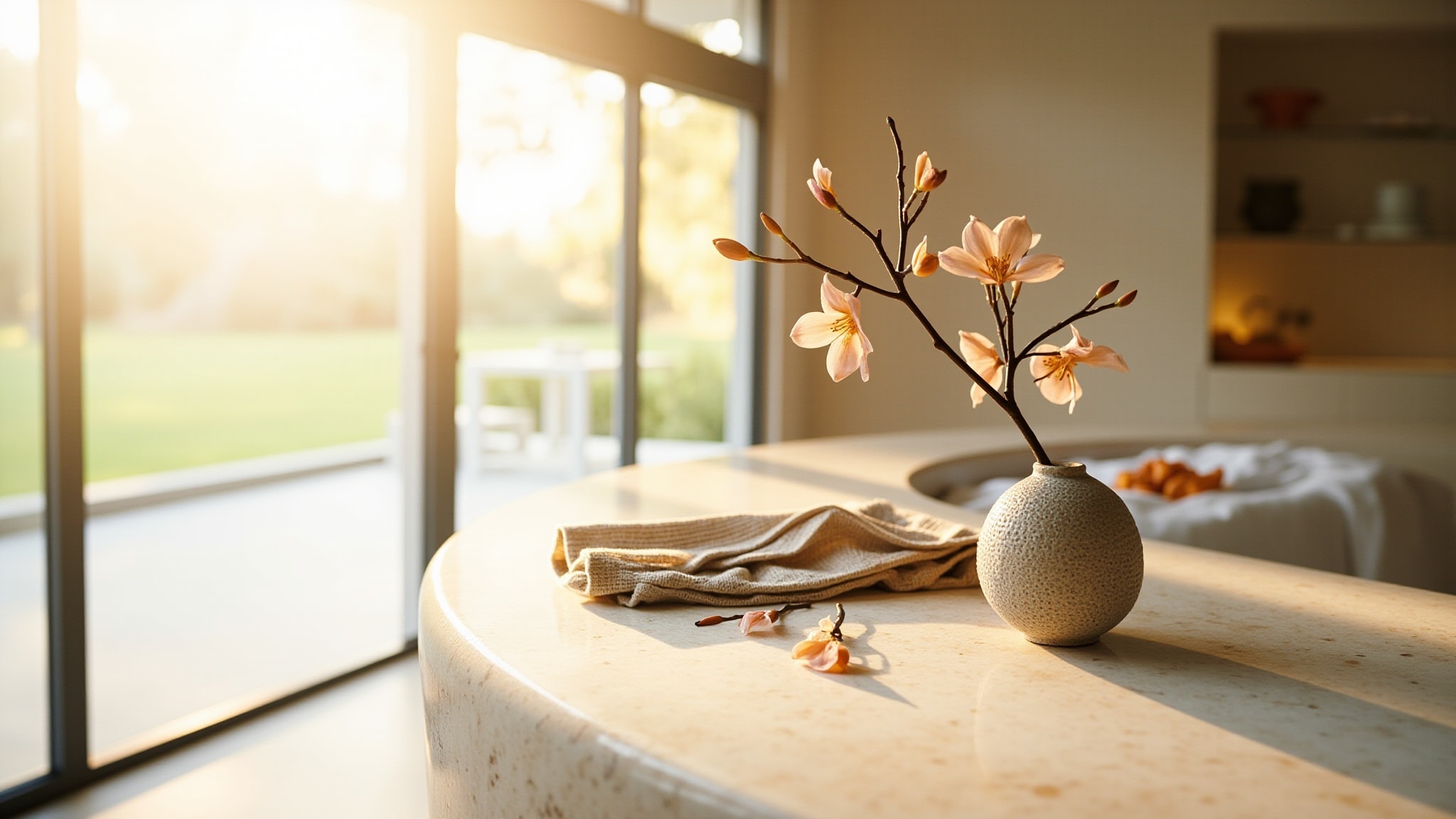
Osmanthus is unusual among florals. It smells like apricot blossom and green tea at the same time, fruity-sweet but with a green backbone that keeps it from floating away. The lactonic quality gives it warmth without weight, think creamy, almost milky softness. The soft spice that emerges is minimal, a whisper rather than a declaration. The structure of Soliflore Osmanthus centers on one note doing everything.
The evolution
The opening is immediate: apricot blossom, bright and clean. The osmanthus announces itself, fruity-sweet and soft, with that characteristic green-tea undertone that prevents it from reading as pure fruit. It smells like the flower, not like perfume pretending to be the flower. The heart is where the lactonic warmth arrives. The creaminess deepens slightly as the fruity notes settle. There's a honeyed quality that emerges, not beeswax, just the impression of sweetness concentrated by warmth. The green notes recede here, letting the apricot-blossom softness take over. The drydown is intimate by design. Osmanthus doesn't project loudly even at its peak, and as it fades, it becomes softer still, a warm skin-note that lingers close. You'll smell it. The people across the table won't unless they lean in.
Cultural impact
Soliflore Osmanthus occupies a specific corner of niche perfumery: the photorealistic soliflore, made for the wearer who treats fragrance as personal ritual. One reviewer has described it as the truest osmanthus encountered, a single botanical held up for inspection, asking whether one flower can be enough. For those who answer yes, it becomes a quiet signature: floral without performance, intimate without effort. The approach prioritizes ingredient clarity over complexity, offering a distinctive path in a field often dominated by elaborate accords.