







Heritage
A house, in its own words
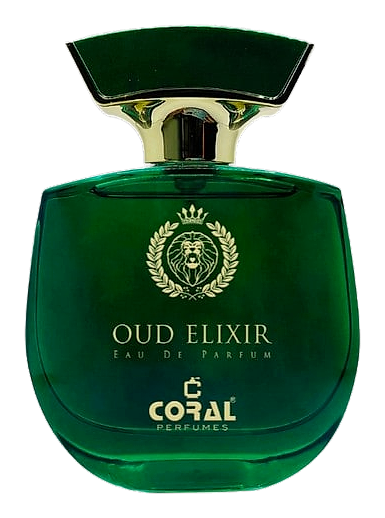
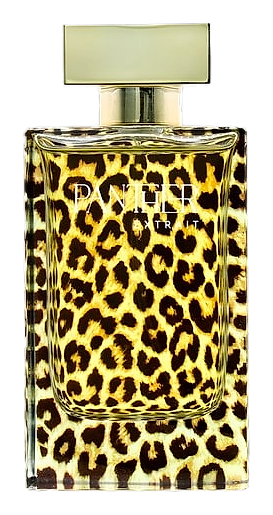
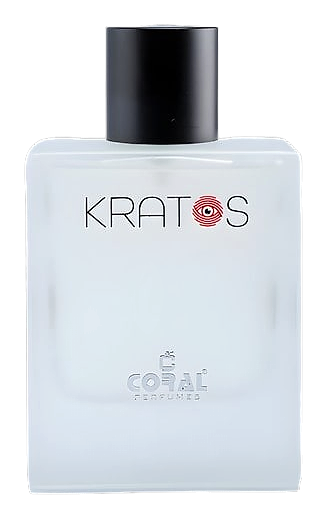
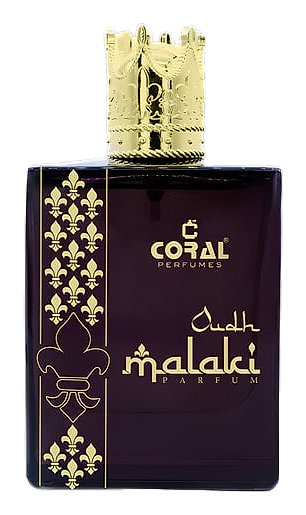
Coral Perfumes traces its public history to Dubai, where the brand was founded in 2012. A third-party article titled “Dubai’s Perfume Brand & Maker” records its inception in Dubai and discusses the development of the company’s perfume range. Coral Perfumes later established a visible retail presence at Shop No. 5 on the ground floor of One Deira Mall, a location documented in an independent promotional post and on its official social channels. The company also began appearing in the Indian market, with coverage describing Coral Perfumes as a Dubai fragrance house now present in India. This expansion suggests a progression from a local Dubai identity to cross-border retail recognition. The available company information also associates Coral Perfumes Industry LLC with 2009, creating a date conflict with the brand’s widely repeated 2012 founding year. Rather than resolving that discrepancy, it is best understood as a distinction between the legal or industry entity’s registration and the public launch of the Coral Perfumes brand. The brand’s catalogue grew around recognisable families: oud-centred titles including Oud Elixir, Oud Royale, and Oudh Malaki; coral-themed releases including Coral Ruby, Coral Love, Coral Rebirth, and Coral Panther; and more conventionally named fragrances such as Kratos, Radiance, and Charms Intense. No documented milestone identifies a founder, original perfumer, or specific manufacturing partnership. The history is therefore rooted in place, retail development, and a growing product portfolio rather than a detailed account of individual makers. Coral’s creative direction combines the visual language of the sea with the conventions of Gulf perfume culture. A published description of the Coral collection refers to island botanicals, Caribbean tradition, sea, and sand, presenting scent as a meeting point between coastal imagery and Middle Eastern perfumery. That idea appears throughout the catalogue, from the coral-named series to compositions centred on oud. The brand also publishes a women’s line described through citrus tides and delicate florals, extending the same aquatic and luminous vocabulary into a softer register. These statements are useful as brand language, but they do not establish a formal perfumery method or a documented ingredient philosophy. Coral’s approach is best understood through its naming and range architecture, with recurring themes of water, light, warmth, and precious woods giving customers several distinct routes into the collection. It presents perfume as both an aesthetic experience and a retail category, balancing recognisable note stories with broader family names. The company’s stated activity as both retailer and manufacturer adds another dimension, although the sources do not explain how its own production differs from its sourced finished fragrances or private-label work. No named perfumer is linked to the house in the available material. For a discovery platform, this means Coral should be read as a house defined by accessible storytelling, thematic naming, and breadth, rather than one with a heavily documented single artistic manifesto.