



Heritage
A house, in its own words
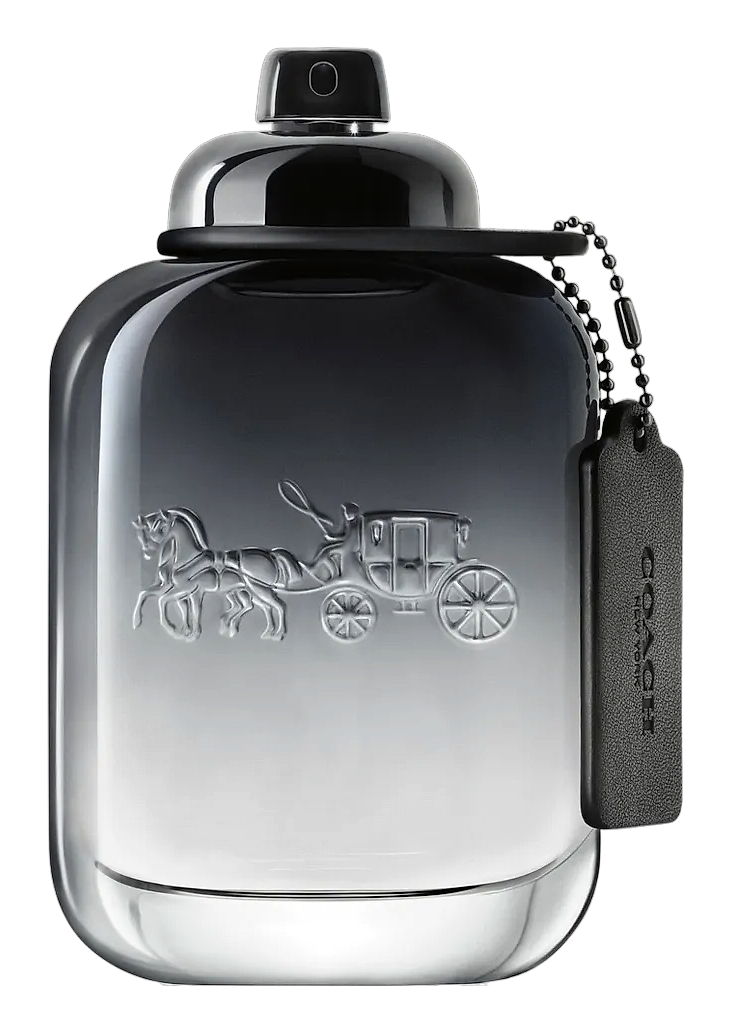
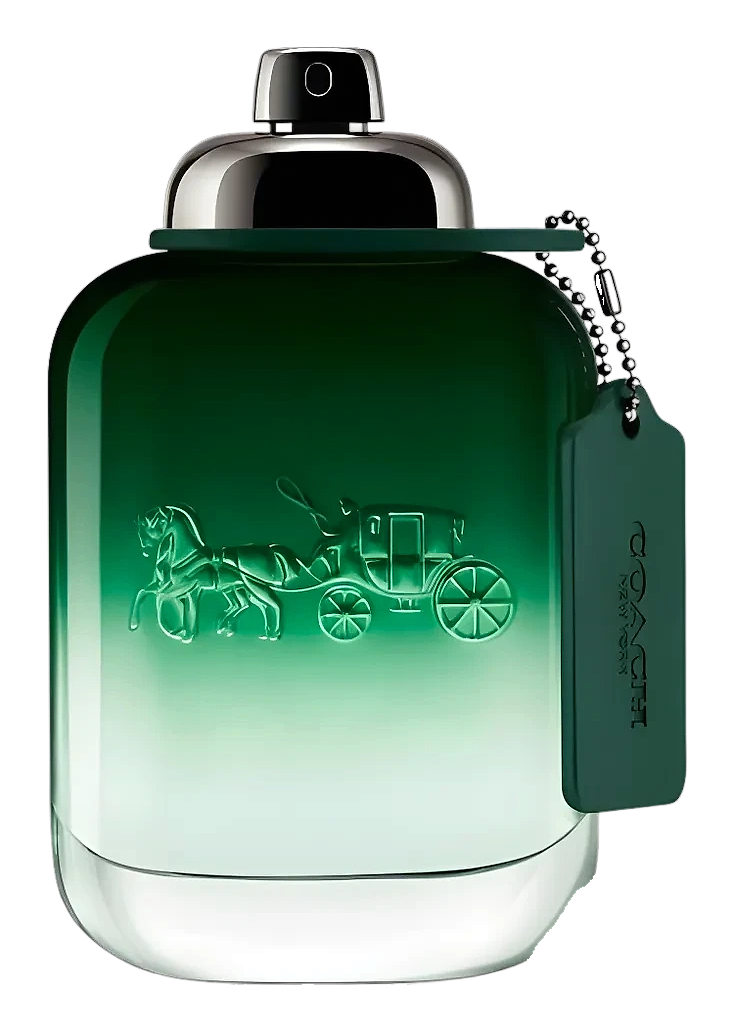
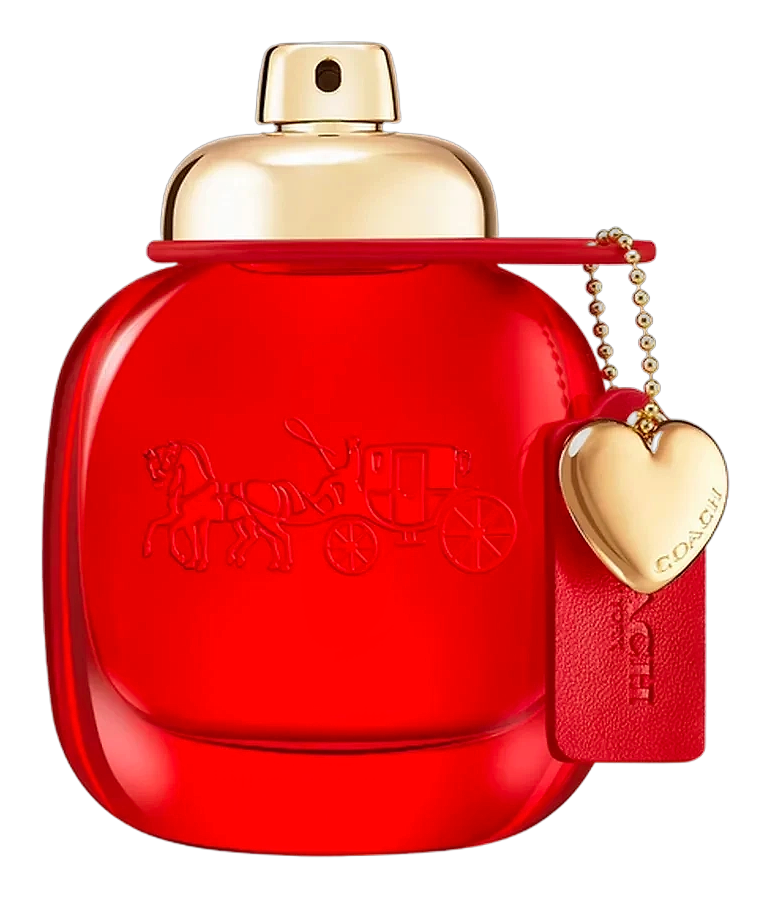
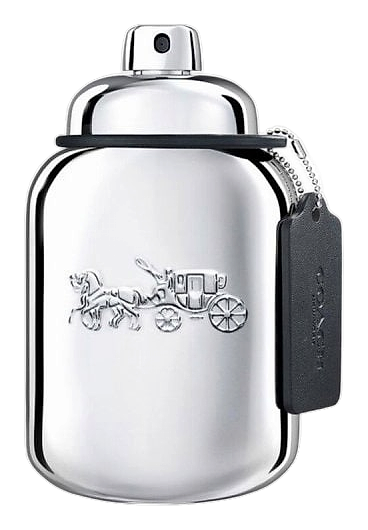
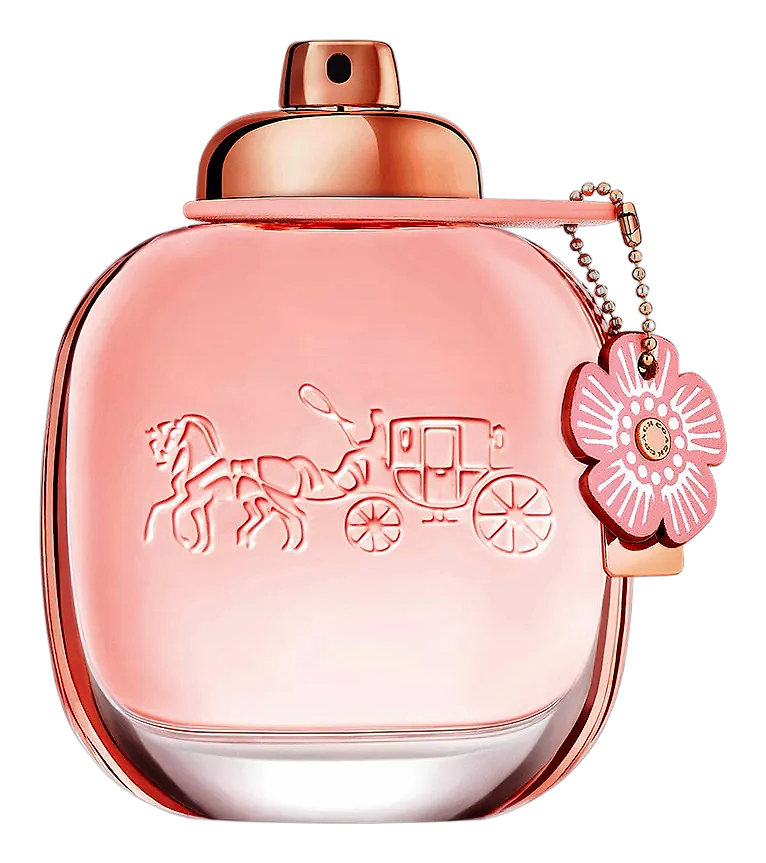
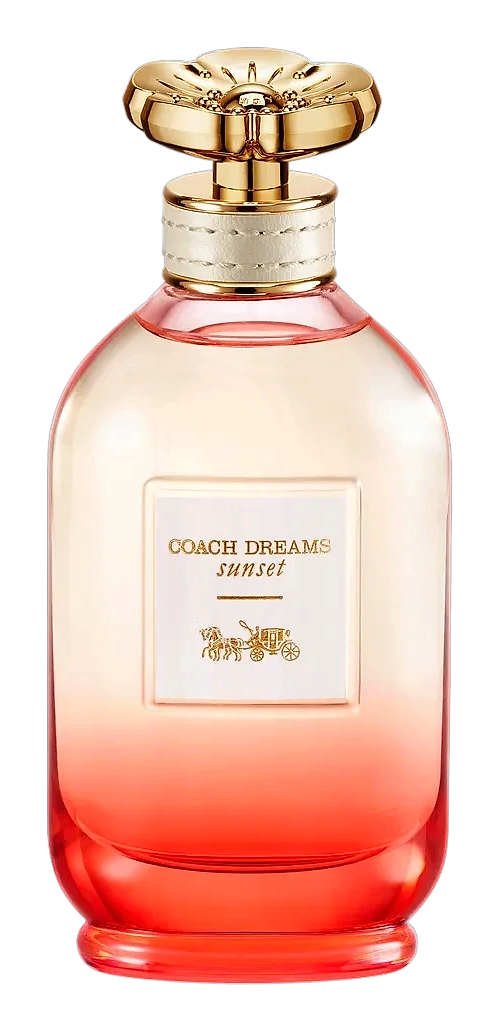
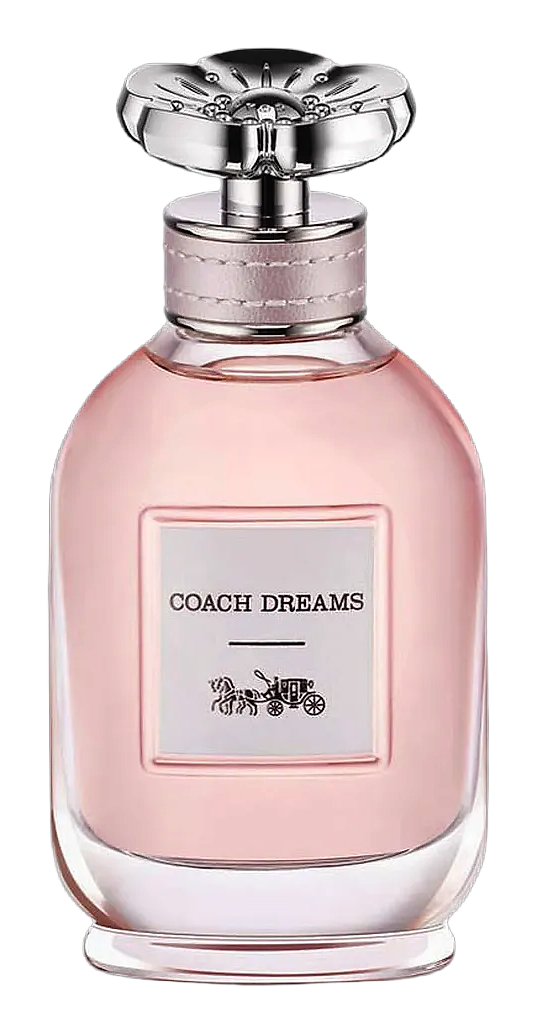
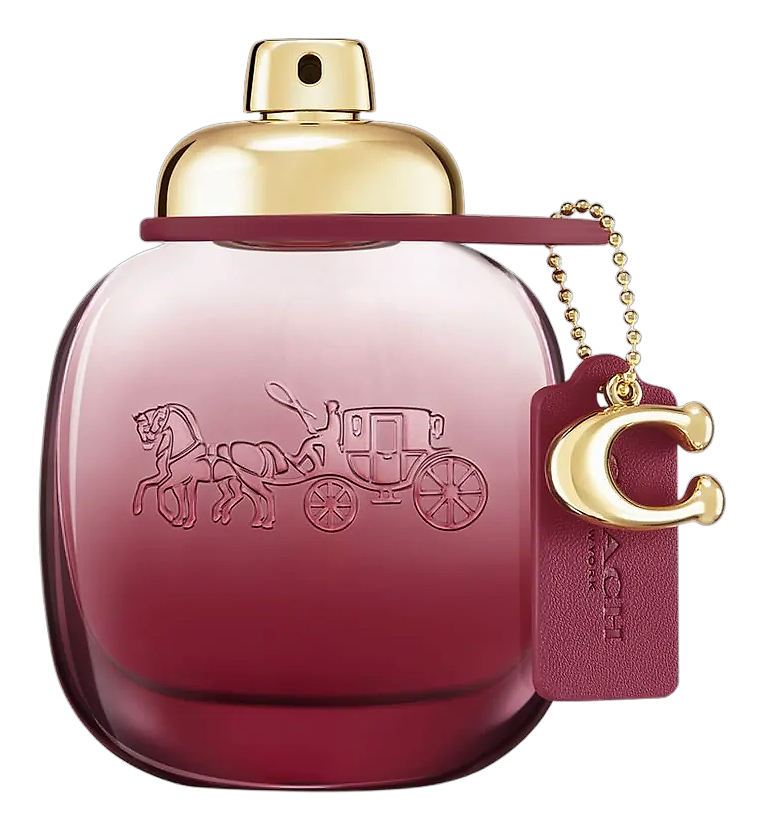
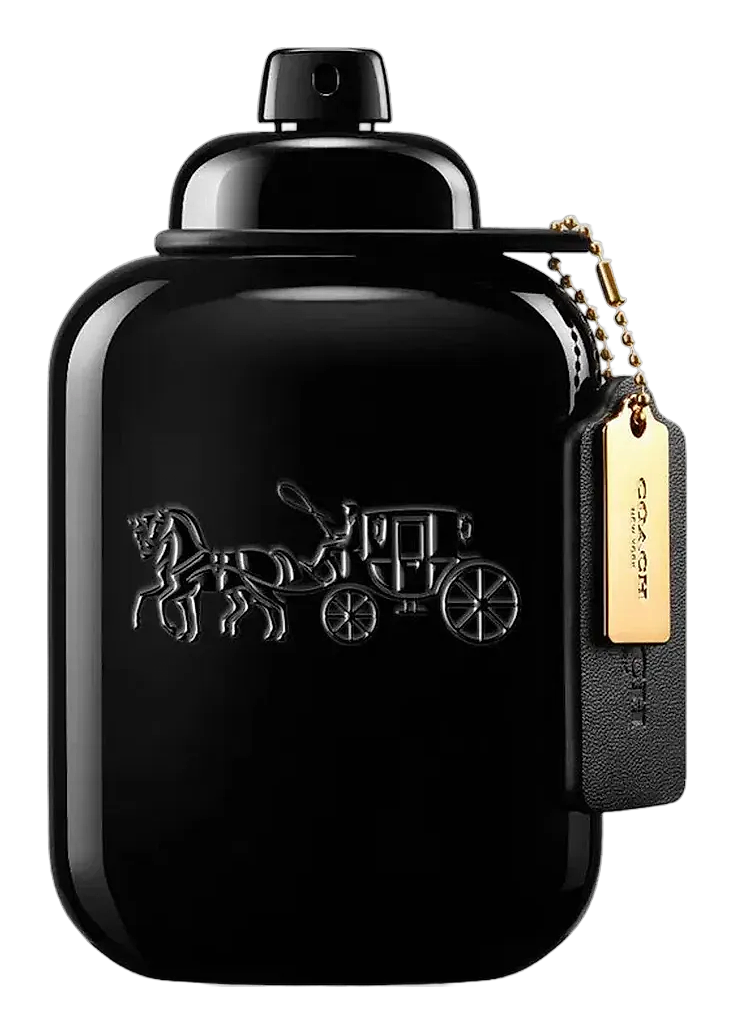
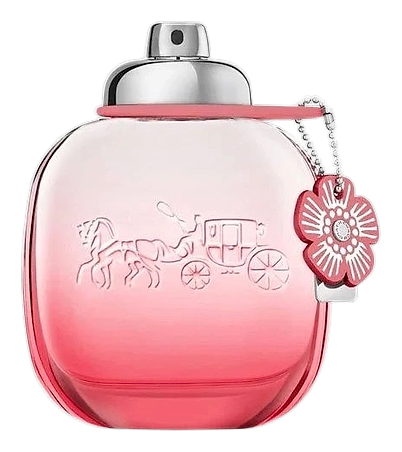
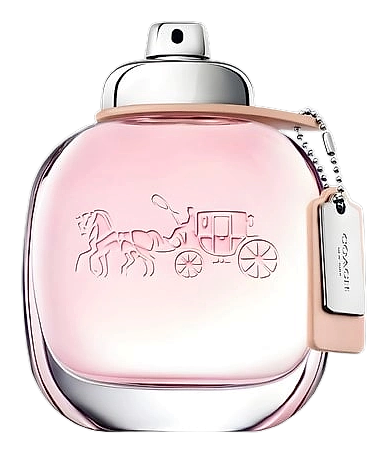
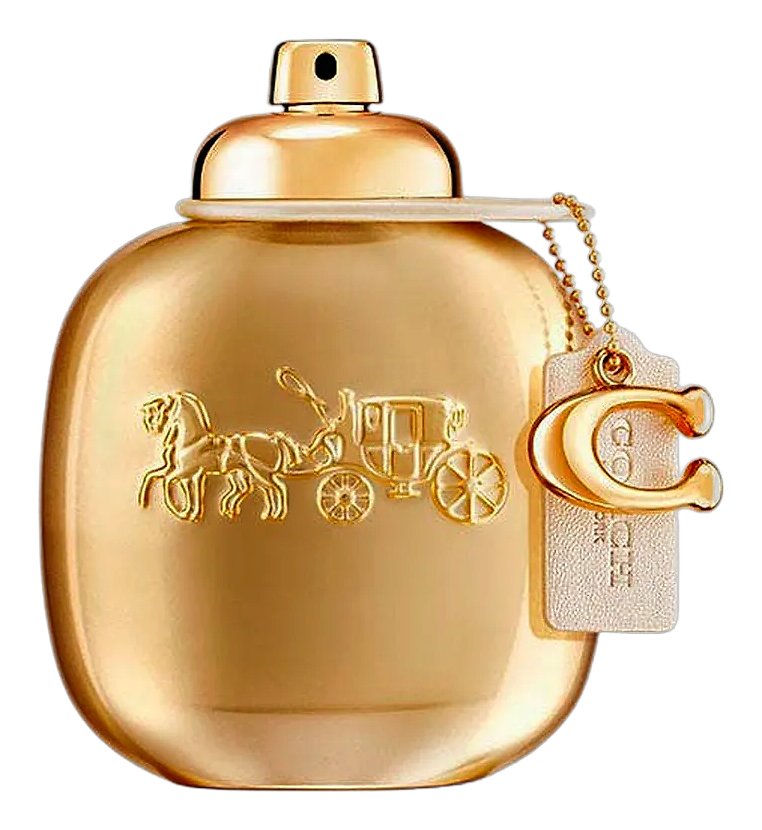
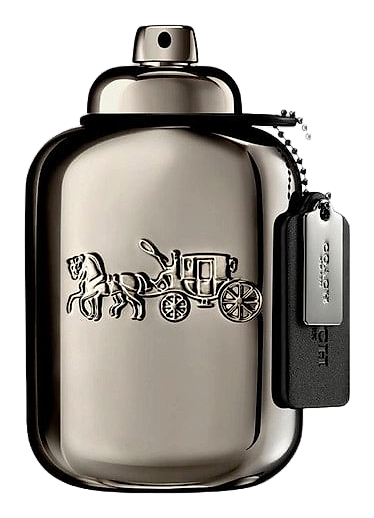
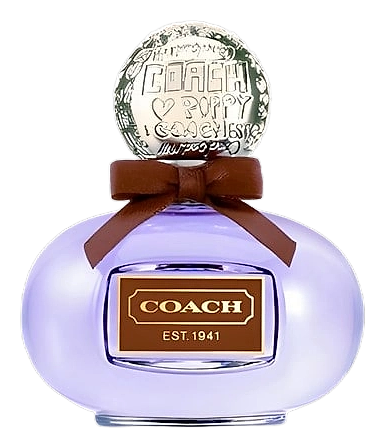
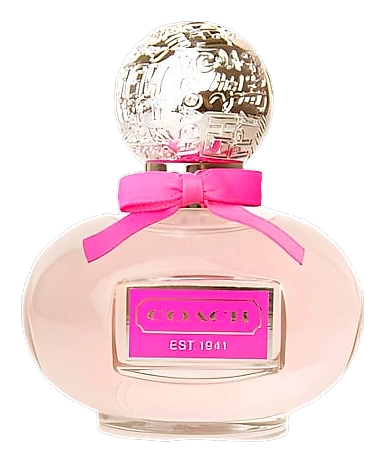
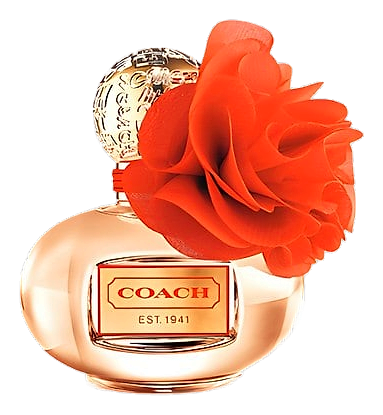
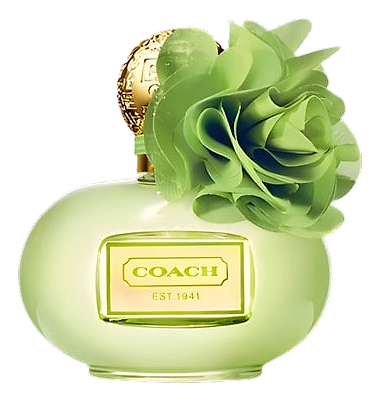
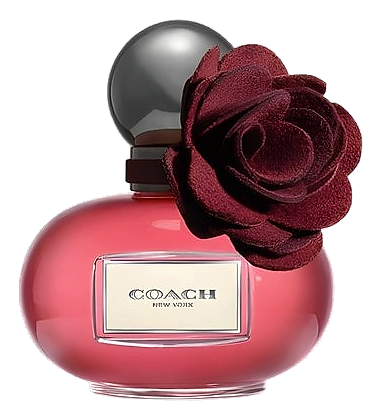
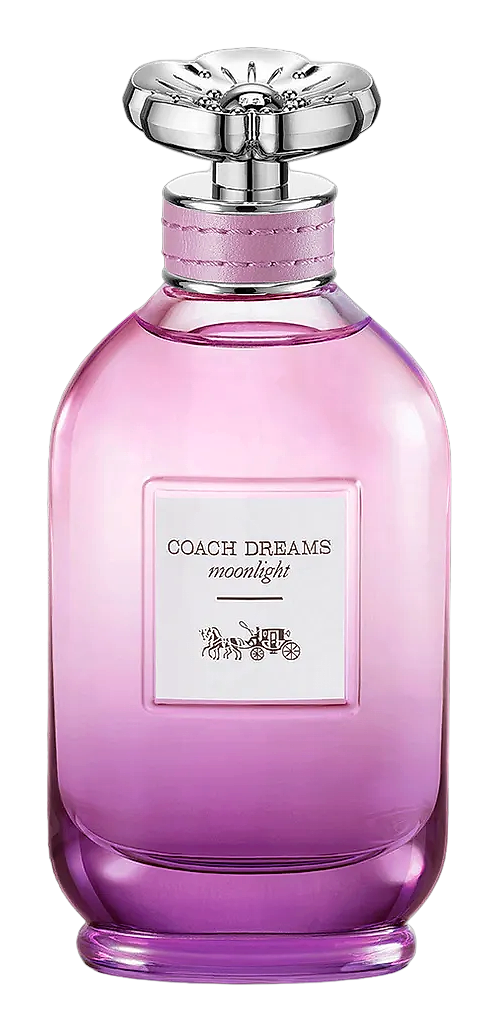
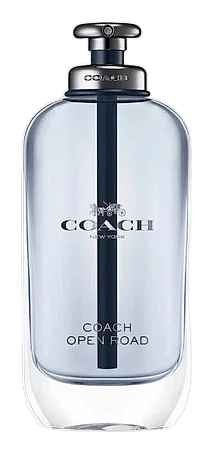
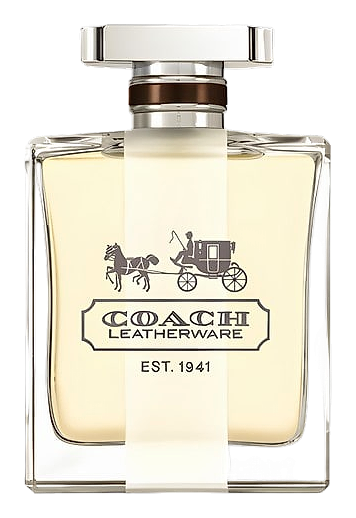
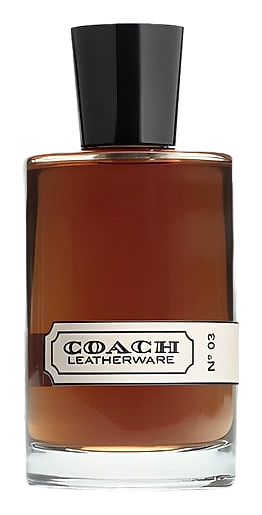
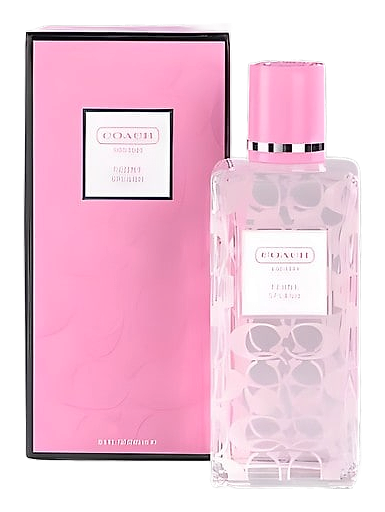
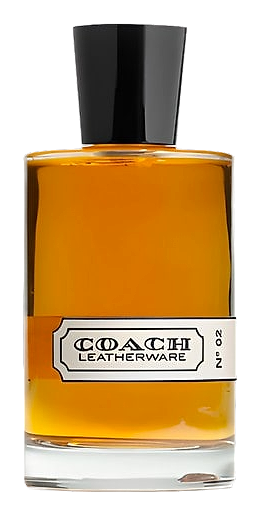
Coach was founded in Manhattan in 1941 by a small group of leather artisans, most notably Lillian Cahn and her husband Miles Cahn, who turned a modest workshop into a recognizable name for quality leather accessories. The company grew throughout the mid‑twentieth century, expanding from handbags to a full range of fashion items. In the early 2000s the brand began to explore fragrance as a natural extension of its material‑focused identity. The first Coach perfume, Legacy, launched in 2008 and was positioned as a nod to the brand’s storied past while embracing contemporary perfumery trends. A year later, the Leatherware series arrived, offering three distinct scents (No. 01, No. 02, No. 03) that emphasized leather‑derived accords, a direct reference to the house’s core material. In 2018 Coach introduced Platinum, a fresh, aromatic composition that highlighted the brand’s shift toward a more youthful audience. The partnership with Interparfums, announced in 2015, gave Coach access to a dedicated fragrance development team and global distribution channels, allowing the label to release new releases each year, such as Coach Green (2023) and Coach for Men Pure Platinum (2026). Throughout its evolution, Coach has maintained a consistent narrative: a commitment to American craftsmanship that adapts to changing cultural moments while preserving the tactile sensibility that first defined the company. The creative vision behind Coach fragrances rests on translating the tactile language of leather into scent. The brand treats fragrance as an extension of its material heritage, seeking to evoke the same sense of durability, comfort, and understated elegance found in a well‑crafted bag. Values such as authenticity, quality, and accessibility guide the development process. Rather than chasing fleeting trends, Coach works with established perfume houses like Firmenich to craft compositions that balance classic notes with modern twists. For example, the 2025 Coach for Men Eau de Parfum was created by perfumers Honorine Blanc and Annie Buzantian, who blended aromatic herbs with subtle gourmand accents to reflect a contemporary masculine profile while honoring the brand’s heritage of refined simplicity. The philosophy also embraces a collaborative approach: designers, marketers, and perfumers share a common brief that emphasizes the brand’s leather narrative, ensuring each bottle tells a cohesive story that aligns with Coach’s broader design language.