





Heritage
A house, in its own words
Chloé traces its roots to 1952, when Gaby Aghion, an Egyptian-Jewish designer who relocated to Paris in 1945, partnered with entrepreneur Jacques Lenoir to launch the brand. Aghion carved a distinct niche by positioning Chloé as an antidote to the rigid formality dominating French fashion at the time. Her vision centered on softer, more wearable luxury that felt genuinely accessible to the modern woman. The label held its first runway presentation in 1956 at the iconic Café de Flore on Paris's Left Bank, a venue choice that signaled the brand's bohemian, intellectually curious spirit from the outset. By 1964, Aghion had brought Karl Lagerfeld on board as creative director, a partnership that elevated the house's aesthetic into something fluid, romantic, and unmistakably contemporary. Lagerfeld remained with the brand for decades, shaping its evolution into a global fashion force. In 1975, Chloé entered the fragrance world with its first perfume, a scent developed in close collaboration with Lagerfeld himself, who sought to translate the house's romantic sensibility into olfactory form. The resulting fragrance became a commercial landmark and established the template for subsequent Chloé scents.
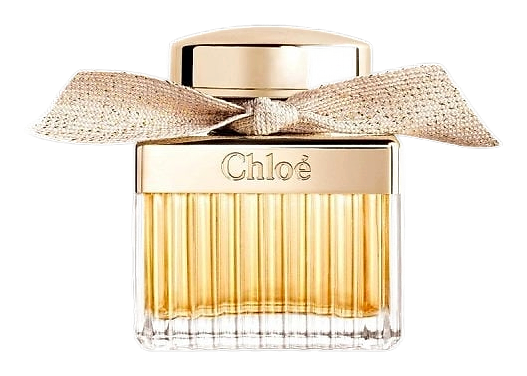
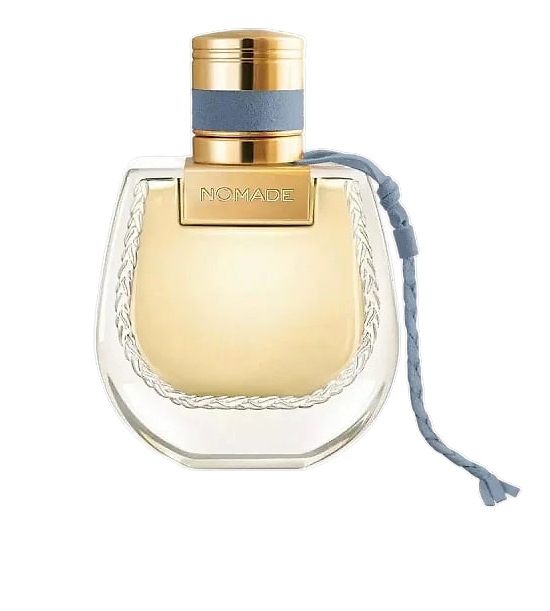
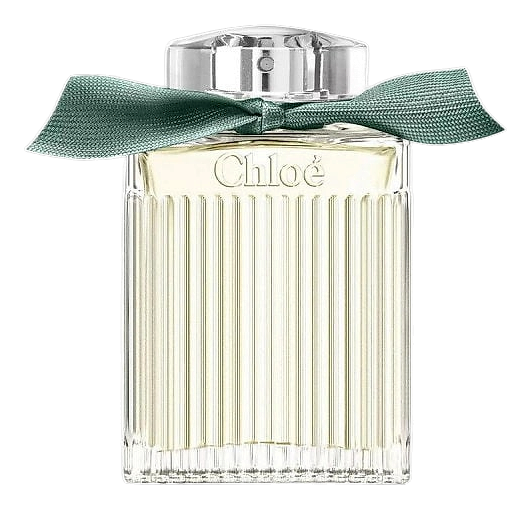
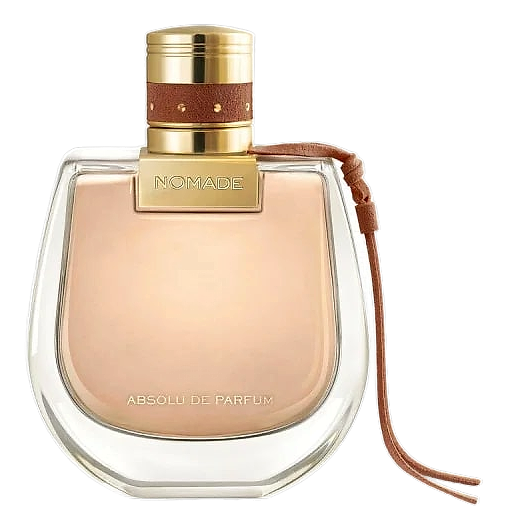
Chloé's approach to perfumery reflects the same ethos that defined its fashion: beauty as an expression of personal freedom rather than imposed perfection. The house treats fragrance as an intimate form of self-expression, designing scents that feel like a natural extension of one's identity rather than a costume to be worn. Rather than chasing fleeting trends, Chloé consistently returns to a rose-forward palette as its signature language, exploring the flower across multiple variations to reveal different facets of its character. The brand embraces the tension between strength and softness, creating perfumes that project quiet confidence without aggression. Each fragrance aims to capture a mood more than a moment, designed to accompany a woman through the full breadth of her day. The house positions its olfactory identity around authenticity, freshness, and a certain untethered elegance that resists easy categorization.