
The Story
Why it exists.
The beginning
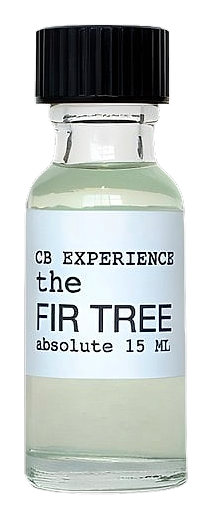
Christopher Brosius wanted to bottle a single moment. A walk into a stand of fir trees in winter. Not the Christmas tree, not the cut pine, not the decorated centerpiece. The living thing. Bark and needles, the sharp cold that hits your lungs. That specific January air. The idea crystallized in the early 2000s, and The Fir Tree arrived in 2004 as an answer to a question most perfumers don't ask: what does the actual forest smell like, before anyone decorated it? The composition keeps things severe. Two main materials. Fir and soil tincture, a reference to the ground rather than the crown. It's memory work dressed as perfume.
The challenge is always the cold. Fir is sharp, camphorated, almost clinical in its top notes. But Brosius paired it with soil tincture, that earthy, organic undertone that grounds everything. The tension between them is the whole fragrance. The volatile sharpness of evergreen against the slow, dark weight of earth. What emerges isn't a clean forest scent. It's the stillness after snow falls, when nothing has moved yet and the air is holding its breath.
The evolution
The first thirty minutes are all evergreen. Cold air, fir needles releasing their scent under grey light. It reads sharp, almost harsh, the camphor doing its work. Then the soil tincture announces itself. Not fresh earth. Damp, slightly animalic loam. Dark. Present. The kind of smell that reminds you the forest floor is alive. By hour three, the fir has cooled considerably. Still there, but transparent. The earth moves to the foreground and stays. By the final hours, you get resin, wood, and the faint sweetness of dark soil. The drydown lingers close to skin, a quiet exhale, not a proclamation. What remains is the memory of a room where someone burned pine needles and left the window open.
Cultural impact
The Fir Tree occupies a specific corner of niche perfumery, the anti-seasonal fragrance. Where most houses release winter warmers in October, Brosius created something that actually smells like winter, not the idea of it. The dry, medicinal quality of the fir note reads as austere compared to commercial woody fragrances. It attracts wearers who want a scent that challenges rather than comforts. The 2004 launch predates the current wave of hyper-realistic fragrance work by over a decade.