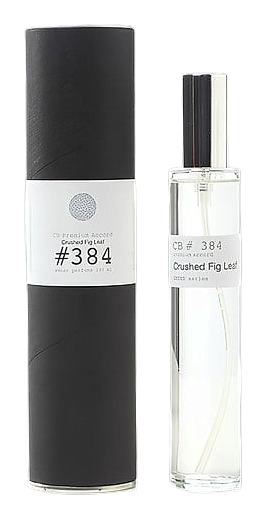
The Story
Why it exists.
The beginning
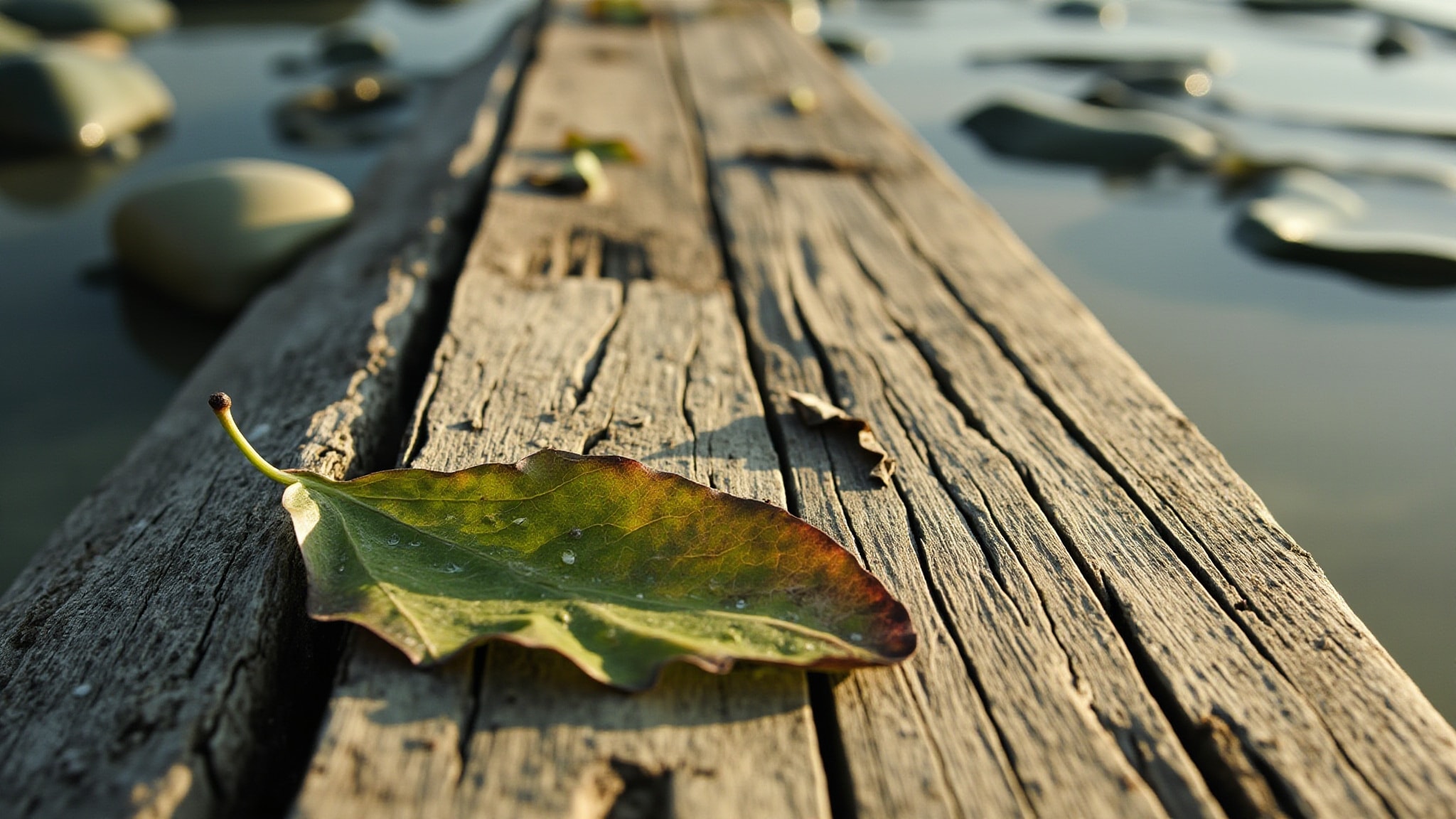
Christopher Brosius spent years treating scent as autobiography, perfume as a conversation with the self rather than a commercial uniform. His early experiments with Demeter, then at Kiehl's, pushed against everything mainstream perfumery was doing. He wasn't interested in blending. He was interested in capturing specific places, specific moments, the exact texture of a memory. Crushed Fig Leaf arrived in 2000. It translates a specific coastal sensation into two materials: the crushed leaf of a fig tree at the water's edge, and driftwood bleached by sun and salt. The green here isn't the fruit, it's the plant itself, cut and crushed, releasing that milky, slightly bitter sap. The marine element isn't synthetic beach accord. It's the mineral tang of the sea meeting something organic and alive.
Fig leaf is an unusual perfumery material. It carries a lactonic, almost creamy quality beneath its green, that milky note that distinguishes it from other leaf or stem ingredients. Combined with driftwood, which adds a woody, mineral, slightly saline character, the composition becomes something that smells genuinely atmospheric rather than constructed. Brosius built this in 2000 from two notes that don't obviously belong together but create something that reads like a specific place and time: the coast in late afternoon light, when the air is warm and still and the dominant smell is cut stems and drying wood.
The evolution
The opening hits immediately, crushed fig leaf, bright and green and almost bitter, that milky sap hitting cold air. Within minutes the marine quality emerges, mineral and salt-tinged without being aquatic in the synthetic sense. The driftwood carries through from the start but doesn't announce itself until the green begins to soften, roughly 30 minutes in. The heart phase belongs to the driftwood. It becomes more present, more tactile, sun-warmed wood grain rather than dry sawdust, still carrying that salt-crusted quality. The fig leaf doesn't disappear but recedes into the background, adding a faint creaminess to the wood's warmth. This middle phase holds for a couple of hours. The drydown is where this fragrance earns its reputation. The driftwood settles into something mineral and almost sun-warm, the ghost of heat rather than heat itself. The fig leaf fades to a whisper. What remains, 4-6 hours in on most skin, is close to the skin, mineral and faintly green, the memory of the opening rather than the opening itself.
Cultural impact
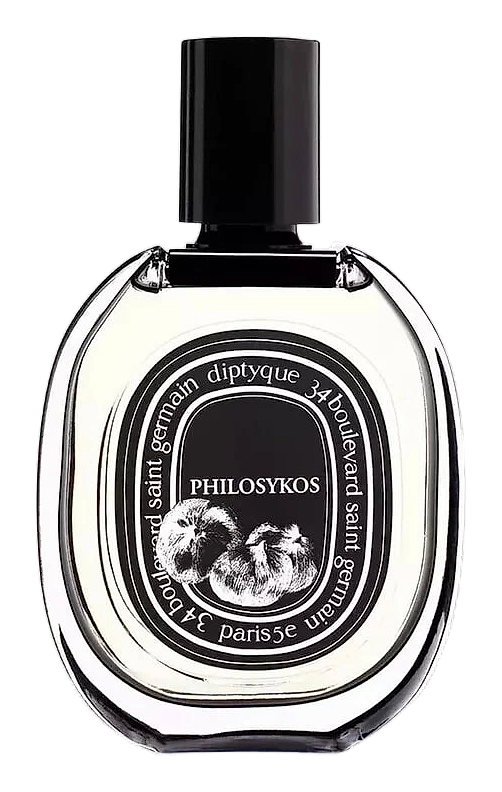
Fig-based fragrances occupy a unique space in perfumery, often evoking Mediterranean landscapes and childhood memories of biting into a ripe fig. The note's dual nature, both lactonic and green, makes it challenging to execute well. CB I Hate Perfume, known for its experimental and minimalist approach, brings an art-world sensibility to fragrance. Crushed Fig Leaf specifically captures that moment of crushing a fresh fig leaf between fingers, releasing both the green, slightly bitter sap and a hint of the fruit's honeyed sweetness underneath. This fragrance stands apart from more mainstream fig scents like Philosykos by emphasizing the leaf's herbal quality rather than the fruit's creamy sweetness.