Heritage
A house, in its own words
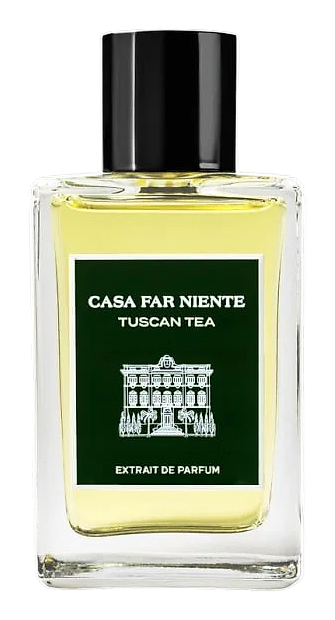
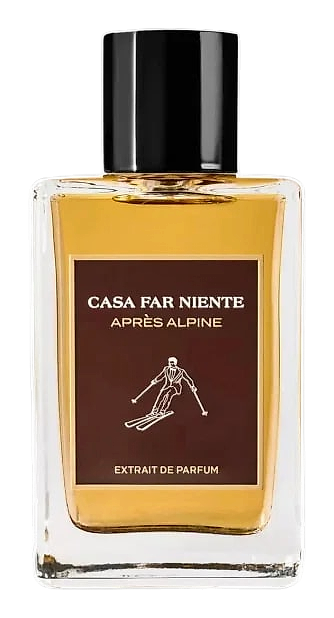
Casa Far Niente arrived in 2024, but its origins stretch back years into the friendship of three Germans who refused to settle for ordinary. Philip Deml, Philipp Hehmann, and Philip Kraft built the house together, each bringing a different background and sensibility to the table. What united them was a stubborn refusal to treat perfume as just another consumer product. The name itself tells you everything. Far niente is Italian for the pleasure of sweet idleness, of doing beautiful nothing. It's a philosophy the founders treat less as a marketing line and more as a manifesto. Their hometown base in Germany provided the precision and craftsmanship. Paris offered the perfumery vocabulary they craved. And Italy gave them the soul, the warmth, the sense that fragrance should feel like a holiday afternoon that never ends. In 2024, the house established Villa Franca as the official home of its fragrances, a symbolic address tied to Portofino and the brand's Italian identity. The launch coincided with the release of an initial scent portfolio alongside candle vessels produced in a palette of 1,200 units, a deliberate statement about scale. The founders chose restraint. They chose exclusivity. They chose to do things slowly, on their own terms. Within months, niche fragrance communities began paying attention, drawn by the unusual German-Italian-French fusion the brand promised on every label. Casa Far Niente operates on a quiet conviction that fragrance should evoke a place and a feeling, not just a smell. The founders treat their work as a meeting point between Italian elegance, Parisian perfumery craft, and German technical precision. Each element of that trinity carries equal weight, and the result is a house that refuses to copy any single tradition. What sets the brand apart is its insistence on storytelling through scent. The founders have openly described their goal as taking the art of perfume making to a new level, a bold claim that signals ambition without pretension. They build around moods and memories borrowed from European life: a terrace in Portofino at golden hour, a Parisian salon in spring, a German workshop where every detail matters. The exclusivity angle is genuine rather than performative. Casa Far Niente positions itself as a niche house where availability matters as much as composition. Restraint shapes everything, from production volumes to the way scents are released. There's a sense that the founders see fragrance as an antidote to oversaturation, a return to the idea that a perfume should feel personal, considered, and slightly precious rather than ubiquitous.