The Story
Why it exists.
The beginning
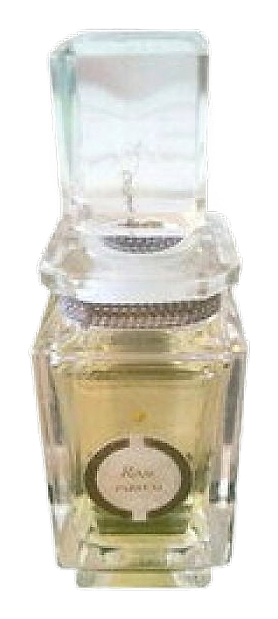
Rose by Caron arrived in 1949, a composition that refused to settle into the house's floral register without some kind of disturbance. The decision to offset the rose with geranium and mint was deliberate and unusual. Where other rose fragrances of the era were content to describe the flower in soft, single-note terms, this one reached for geranium's leafy bitterness and mint's cold snap, two notes that had no business sitting next to a rose and yet somehow rearranged the whole question of what a rose fragrance could be. It was released as part of the maison's ongoing conversation with the rose as a subject, a bloom the house kept returning to and rarely treating the same way twice. The bottle, shaped under the eye of Félicie Wanpouille, carried the same logic.
Most rose fragrances build around a single idea of the flower: velvety, dewy, powdery, jammy. The point of view here is different. The geranium isn't a supporting note. It's structural, giving the rose its green spine, its slightly bitter herbal edge that keeps the sweetness from sliding into something too easy. Mint does something stranger. It doesn't freshen the composition so much as cool it, pulling the temperature down a few degrees and holding it there. Imagine a rose that feels like it was cut ten minutes ago rather than one that's been sitting in a vase all week.
The evolution
The first hour is where this fragrance makes its argument. Geranium opens sharp and almost medicinal, the mint arriving right behind it, cold and slightly bruised in the way old-fashioned mints sometimes read on skin. The rose is barely visible at first, hiding behind the green. Then it surfaces. Slowly. The mint recedes, the geranium softens into something leafier, and the rose steps forward as the central figure, warm and full but never syrupy. The composition settles into a powdered floral that still carries the ghost of that opening bite. It doesn't fade so much as compress. The drydown is intimate, close to the skin, powdery without being chalky. On fabric the next morning, it's a thread of rose and soft musk that continues well after the bottle has been capped. The progression is unusual: floral first in name, green first in practice, and unequivocally rose by the end.
Cultural impact
Rose by Caron occupies a specific corner of French perfumery's rose tradition. Soliflores had long been a familiar format, but rose-with-an-edge was a rarer proposition. This fragrance sits firmly in that second category, wearing as the scent of someone who knows the classics and has decided most of them are too polite. The geranium and mint give it an angular, almost architectural quality that prevents the rose from ever reading as purely decorative.