Heritage
A house, in its own words
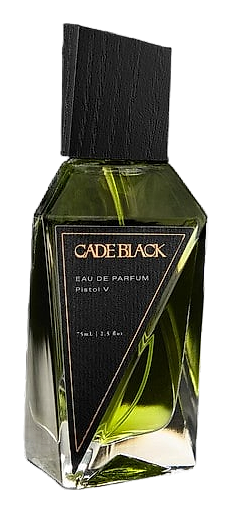
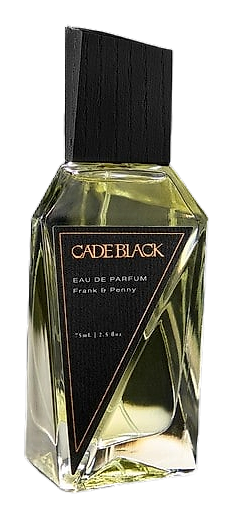
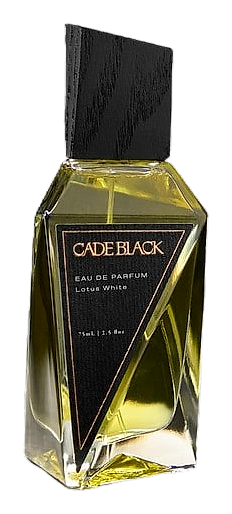
Cade Black was founded by entrepreneur and natural fragrance creator Emily Voth, who previously established Indigo Wild. Alongside her husband, architect Todd Voth, Voth imagined a fragrance brand built around the meeting points of nature, art and design. The result is a botanical fragrance and lifestyle house that rejects restrained, predictable perfumery in favor of vivid natural materials and a more playful sense of luxury. The house gained wider attention after receiving the International Perfume Foundation’s New Luxury Award. Recognition brought Voth into contact with Pierre Dinand, the celebrated French bottle designer associated with major fragrance houses including Calvin Klein, Givenchy and Armani. Their discussions in Paris led to a two-year bottle-design collaboration. Cade Black later introduced the updated bottle across its six perfume scents. Although the brand is rooted in Kansas City, its story connects American independent entrepreneurship with European perfumery culture. Voth’s status as an IPF Certified Natural Perfumer further supports the house’s claim to craft-led, botanical perfumery. The available sources do not establish a definitive founding year, but the brand appears to have developed its present identity and product range during the mid-2020s. Cade Black’s “Botany Unbuttoned” philosophy treats plants as active creative material rather than decorative inspiration. The house finds sensory character in wet soil, heavy petals, resins, rain on rock and the smoky depth associated with cade, the tar-like note also called juniper tar. This gives the brand a distinct position between primal naturalism and expressive composition. Emily Voth describes fragrance as an art form and works with a free, rhythmic style that values experiment, rigor and surprise. Cade Black’s presentations are candidly decadent, occasionally provocative and far removed from predictable luxury codes. Its compositions are not designed to flatter everyone or signal status in a familiar way. Instead, they aim to make everyday rituals more physical and memorable. The name carries a deliberate double meaning: juniper tar itself is not sweet, despite the association of juniper berries with sugary scents. That wordplay fits a house interested in correcting assumptions and finding beauty in overlooked materials.