Emily Voth
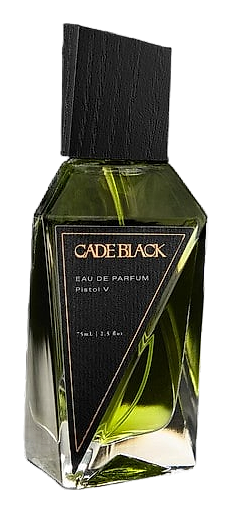
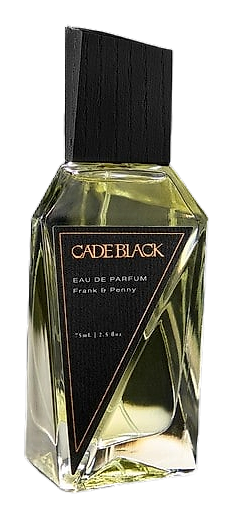
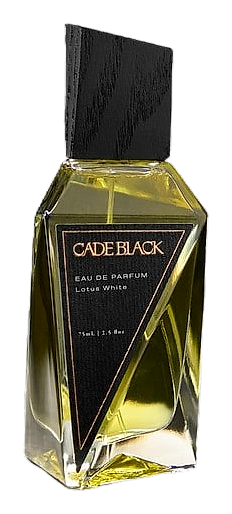
Emily Voth is the botanical force behind House of Cade Black, a Kansas City perfume house built around plant extracts, resins, woods, and the emotive pull of nature. She began creating fragrance about 14 years ago and developed her practice outside conventional perfumery training, drawing on aromatherapy, psychology, and the emotional language of scent. A former founder of Indigo Wild, Voth now works mostly independently with two part-time helpers she calls her “gems.” Her compositions favor dark, velvety, magnetic moods, with each perfume conceived as a piece of storytelling rather than a decorative scent. Cade Black 9 and Cade Black 10 mark the house’s move into refined niche luxury, with the latter drawing on the smoky, hypnotic character of cade bark.
The hits
Notable creations
The signature
How Emily composes
Voth’s signature is botanical maximalism shaped into polished, contemporary perfume. She works with plant extracts, resins, woods, herbs, and aromatic ingredients valued for texture and emotional depth. Cade Black 10 captures her fascination with cade bark, whose sap she describes as smoky, fiery, and hypnotic. Her perfumes often carry poetic titles, including Winter Kitty, Persian Love Cake, and Night Sky, reinforcing the sense that each release is a small narrative waiting to be worn. At House of Cade Black, she develops scents largely without a large production team, preserving the intimacy of her process. The result is a dark, velvety, magnetic style rooted in nature but presented with the poise of luxury niche perfumery.
Philosophy
What drives Emily
Voth treats fragrance as an intimate form of influence, capable of stirring memory, emotion, and bodily response. Her devotion to plants extends beyond using botanical materials as accords; she believes extracts, resins, herbs, woods, and bark carry meanings our senses instinctively understand. A self-described “skylarking rule ignorer,” she challenges standardized perfumery practices and imagines a return to enfleurage and unembellished natural materials. She also keeps close attention to contemporary art, seeing fashion and fragrance as connected expressions of culture. For Voth, a successful composition should not merely smell attractive. It should pulse, provoke feeling, and remain compelling on the skin.
The houses