
The Story
Why it exists.
The beginning
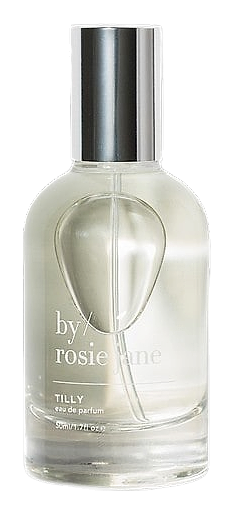
Tilly was born from Rosie Jane Johnston's Australian roots, those endless summers on the beach in Sydney, the kind that blur the line between afternoon and evening. Johnston built by/rosie jane around the idea that fragrance should feel as clean as it smells, and Tilly (launched in 2013) is the brand's take on warm coastal air. The name nods to the Australian coastline she knew growing up, or perhaps someone specific from that chapter of her life, she hasn't said, and that's fine. What matters is the intent: a fragrance that smells like sun on skin, not like a tourist shop at the beach. Tilly captures that light, that warmth, that specific Australian clarity. It's clean fragrance done the hard way, no shortcuts, no synthetic shortcuts to fake that beach feeling.
The note combination is deceptively simple: coconut, grapefruit, gardenia. Three materials, but the way they layer tells a different story. Coconut brings warmth and cream without sweetness overload. Grapefruit adds brightness that keeps the tropical from sliding into sunscreen territory. Gardenia grounds everything with a white floral depth that reads as sun-dress, not nightclub. The lactonic quality, that creamy milk note, is what makes Tilly smell like skin that's been in the sun, not like a fragrance marketed to tourists. It's the difference between smelling like a beach and smelling like you're at the beach.
The evolution
The opening hits bright and citrusy, grapefruit first, sharp and clean. Within minutes the coconut arrives, softening everything into cream. The gardenia doesn't rush; it blooms once the top notes settle, giving the heart a lush, warm quality. The drydown is where Tilly earns its name. That warm salty skin accord, the one that smells like sun-heated skin and sea air, lingers closest to the body. Not projection, just presence. Most wearers report 4-6 hours, with the drydown staying close and intimate. On dry skin it fades faster, but on normal to slightly oily skin it holds through a workday. The salt note outlasts everything else.
Cultural impact
Tilly arrived in 2013 as part of by/rosie jane's early clean fragrance push, riding the wave of Los Angeles wellness culture that treated scent the same way it treated food: with suspicion toward anything synthetic. The fragrance captured a specific California moment, when beachy meant effortless rather than performative, and warm salty skin was a compliment rather than a complaint. Unlike the coconut-heavy fragrances that dominated the 2000s with their sweet, poolside energy, Tilly's grapefruit brightness kept things grounded and modern. The brand's clean chemistry principles positioned it ahead of the ingredient-transparency movement that wouldn't hit mainstream fragrance discourse until the late 2010s.