Heritage
A house, in its own words
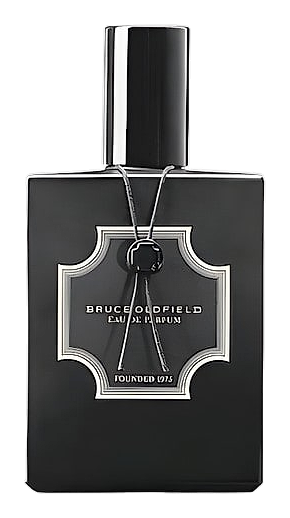
Bruce Oldfield’s story begins long before his fashion and fragrance work. Born in 1950, he spent part of his childhood at Dr Barnardo’s, the children’s charity that provided a grant when he established his business. He studied at Ravensbourne College of Art and later worked as a freelance fashion designer before launching his own ready-to-wear label in 1975. Oldfield became especially associated with couture occasionwear, building a reputation for dresses designed for formal and ceremonial settings. Princess Diana became one of the best-known figures associated with his work during the 1980s, while other reported clients have included Sienna Miller. His career has therefore developed alongside a sustained public association with British occasionwear. The fragrance marked a new expression of the Bruce Oldfield name. Rather than treating perfume as a separate fashion venture, Oldfield worked with Floris, a long-established British perfume house, to translate his sense of refinement into a scent. Contemporary coverage of the launch described the collaboration and the intention behind it in 2011, placing the fragrance within a designer brand already known for its decorative, carefully presented clothing. Bruce Oldfield Eau de Parfum used familiar perfumery materials, including bergamot, galbanum, neroli, rose, mimosa, ylang-ylang, amber and vanilla, to create a composition that balances freshness with warmth. This connection between couture heritage and fragrance gives the brand a clear point of distinction. It presents perfume as an extension of the designer’s visual language, created for the same dressed-up, considered occasion that has long defined the house. The house’s broader history remains rooted in fashion, but its fragrance chapter shows how Oldfield has extended that world into scented personal expression. The clearest statement of Bruce Oldfield’s fragrance philosophy comes from the designer’s stated aim for the 2011 scent: to evoke summer in the South of France. This is a specific creative reference rather than an abstract promise of glamour or sophistication. It suggests a warm, sunlit atmosphere expressed through fragrance, with the listed notes moving from brightness to softness. Bergamot provides a citrus opening, while galbanum adds a green, aromatic facet. Neroli, rose and mimosa introduce floral notes associated with freshness and femininity. Ylang-ylang deepens the floral structure with a richer, more sensual character, while amber and vanilla give the composition a warm, rounded finish. The collaboration with Floris is central to this approach. Oldfield did not present the perfume as an isolated commercial object, but as a fragrance connected to his established world of dress, ceremony and carefully judged presentation. The result is an image of summer, refined through the vocabulary of British perfumery. In practical terms, the philosophy values atmosphere and mood. It uses recognizable materials and a clear seasonal setting to create a coherent sensory impression rather than relying only on a loud or highly distinctive concept. This measured approach is consistent with Oldfield’s fashion background, where embellishment and elegant construction can support a classic silhouette. The fragrance therefore sits between daytime freshness and evening warmth. Its floral heart gives it a graceful centre, while its citrus and green opening create air around it. The vanilla and amber notes prevent the composition from reading as simply bright or lightweight. Bruce Oldfield’s perfumery vision can be understood as a conversation between place, season and elegance, translated into a warm floral composition designed to complement the atmosphere of an occasion rather than dominate it.