
The Story
Why it exists.
The beginning
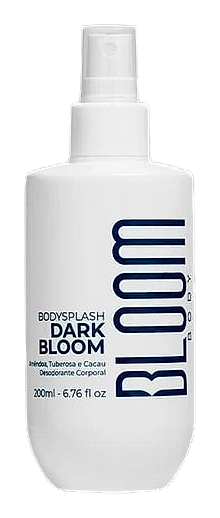
Dark Bloom is a perfume oil built around closeness rather than projection. The composition reads almost like a dare: three notes, one real statement. Almond opens with a marzipan sweetness that leans more confectionery than nut. Tuberose takes over mid-wear with that unmistakable narcotic pull, the kind of white floral that doesn't ask permission. Cocoa anchors everything in a warmth that feels edible without crossing into dessert territory. The format itself shapes the experience. A perfume oil carries no alcohol, which means no sharp opening, no abrupt top-note disappearance, no aggressive sillage chasing you across a room. What registers at first contact tends to be what stays with you hours later. That compression changes how the fragrance sits on the skin.
Three notes is a deliberate structural choice, and the selection of which three matters here. Almond and cocoa create a gourmand-leaning frame, but tuberose refuses to let the composition go soft. It's the tension between edible and sensual that defines Dark Bloom. The white floral's indolic edge keeps the sweetness honest. Most of the composition's character hinges on letting tuberose lead. The cocoa doesn't sweeten it into submission. It deepens it. The almond doesn't lighten it into something casual. It rounds the edges. Each note does one job, and they don't overlap.
The evolution
The opening phase belongs to almond, warm and slightly toasted, the way marzipan smells before sugar fully sets in. There's a creaminess that reads more skin than bakery. It settles into the base oil quickly, and the oil base helps that transition feel seamless rather than abrupt. As the composition wears, tuberose surfaces with that dense, almost rubbery lushness the flower carries in high concentrations. The cocoa underneath keeps it from going too green or too sharp, lending a roasted depth that makes the floral smell spiced rather than soapy. This mid-phase is where the fragrance earns its reputation. The indolic richness of the tuberose dominates, but the cocoa's bitterness keeps it from becoming cloying or overly humid. The almond still whispers at the edges, lending a soft marzipan halo that prevents the composition from turning austere.
Cultural impact
Dark Bloom's three-note composition makes it a notable entry in the tuberose-focused fragrance conversation. The fragrance is structured around letting the flower lead, with cocoa deepening its indolic character and almond rounding the edges rather than softening the whole arrangement. That approach distinguishes it from compositions where tuberose gets cushioned by jasmine, gardenia, or heavy vanillic bases. The combination of an unsoftened tuberose with a gourmand frame places Dark Bloom in a specific niche: fragrances that treat the flower as a serious central material rather than a supporting player.