The Story
Why it exists.
The beginning
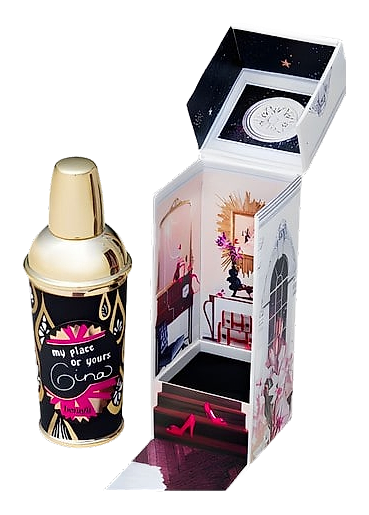
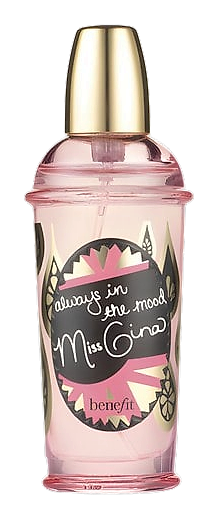
Always In The Mood Miss Gina arrived in 2014 as part of Benefit's Crescent Row collection, a rotating set of fragrances that told stories about fictional London addresses. This chapter was a summer letter. Where the 2009 original, My Place or Yours Gina, leaned into bold gourmand warmth, the brand wanted something lighter for warmer months. The brief wasn't to remake it. It was to reimagine it, same character, different season. The citrus accord became the opening act, making space for the familiar heart and base without losing the confidence underneath.
What makes this composition interesting is what it doesn't sacrifice. Summer variations of beloved fragrances often water themselves down, losing the soul in the name of wearability. Always In The Mood Miss Gina takes the opposite approach. The citrus top is mild, not screaming, but once it fades, the opulence of the original structure arrives on schedule. The drydown is nearly identical. The longevity holds. This is a fragrance that earns its season tag by being lighter in attitude, not in substance.
The evolution
The opening is a single note: mild citrus, clean and brief. Think orange blossom on a terrace, not a citrus burst. It's pleasant. It's forgettable. Then, around the hour mark, the hand-off happens, and it's not subtle. The sweetness amplifies as the citrus recedes. The powder rises. The woods settle in like they've been there all along, just waiting. By hour two, you're wearing the Gina you remember, warm, sweet, present. The drydown keeps that warmth close to the skin for the remaining 4-6 hours, intimate rather than announced. On fabric the next morning: a ghost of powdery sweetness. This is what the original Gina fans wanted from a summer fragrance. And it delivered.
Cultural impact
Always In The Mood Miss Gina found its audience among Gina fans who wanted summer wearability and newcomers drawn to citrus but curious about what came after. It stood apart from typical summer releases by refusing to sacrifice depth for lightness. The discontinuation has made it a quiet collector's piece, sought by those who discovered it late and want what it was selling: citrus as a starting point, not a destination.