
The Story
Why it exists.
The beginning
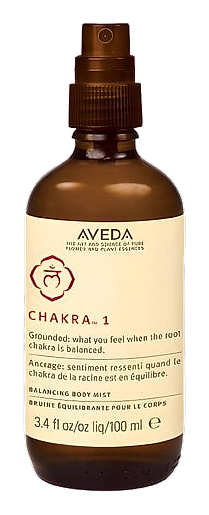
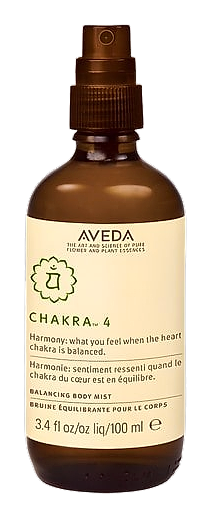
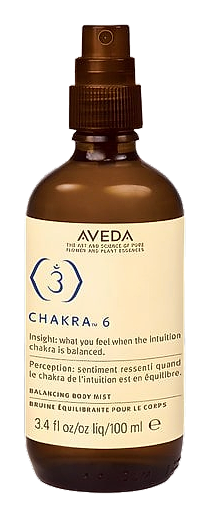
The Chakra series arrived in 2000, each fragrance mapping a different energy center in the Ayurvedic tradition. Chakra 6, Ajna, sits at the brow, the seat of intuition and inner knowing. Aveda built this collection from the conviction that plant-derived aromas could influence mood and energy, not just smell good. The name Aveda itself comes from Sanskrit, translating to "all knowledge", and the brand has spent decades acting like it.
With only three certified organic ingredients, petitgrain, orange, and geranium, Chakra 6 Intuition takes a deliberately narrow path through the aromatic space. Most fragrances of this era accumulated notes like a list of virtues. This one trusts its materials to do more with less. Petitgrain, the bitter leaf and twig of the orange tree, carries a green, slightly resinous quality that orange peel alone cannot. Geranium brings its own kind of complexity: herbaceous, slightly mentholated, with a quiet floral undertone that courts rose without arriving there.
The evolution
The opening lands quickly, orange zest and petitgrain arrive almost simultaneously, bright and immediate, with the kind of clarity that feels intentional rather than accidental. There's no sweetness here, no waiting period. Within twenty minutes the geranium pushes forward, and the composition shifts from citrus to something herbal and grounded. The drydown is where patience pays off. The geranium lingers, green, clean, slightly bitter, for hours. Moderate sillage means it stays close, which suits this fragrance perfectly. By the end of the workday it reads as a soft, warm presence on skin rather than an announcement. A second skin, almost.
Cultural impact
Chakra 6 occupies an unusual position in the aromatherapy fragrance space, it is neither a candle composition nor a clinical blend, but something between. Aveda positioned it within the broader Chakra Balancing collection alongside body mists and ritual tools, reinforcing its role as part of a daily practice rather than a standalone perfume. This framing set it apart from conventional fragrance marketing at the time, appealing to consumers who wanted their scent to mean something beyond aesthetics.