
Heritage
A house, in its own words
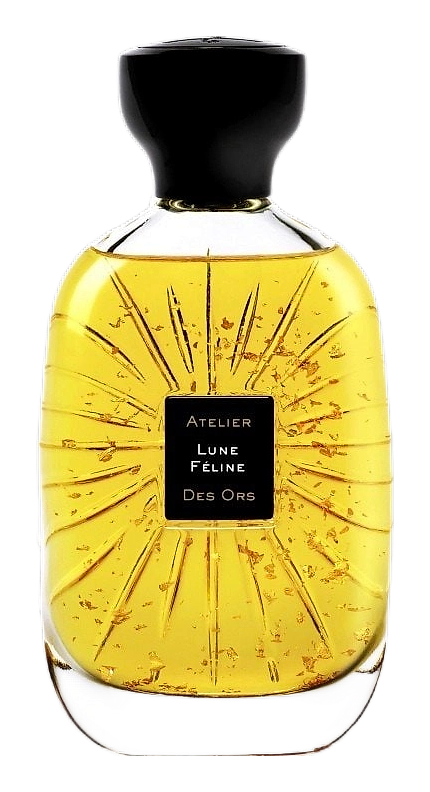
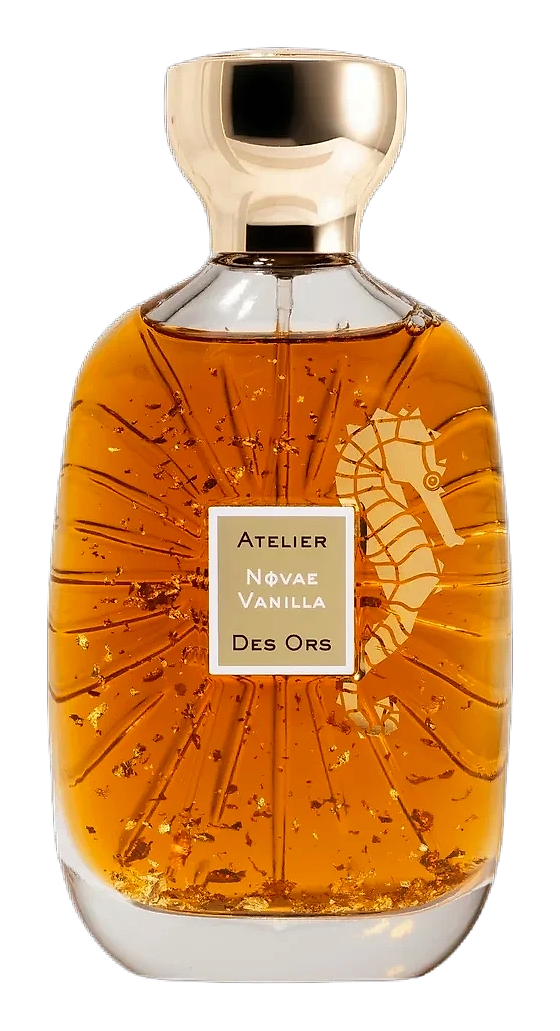
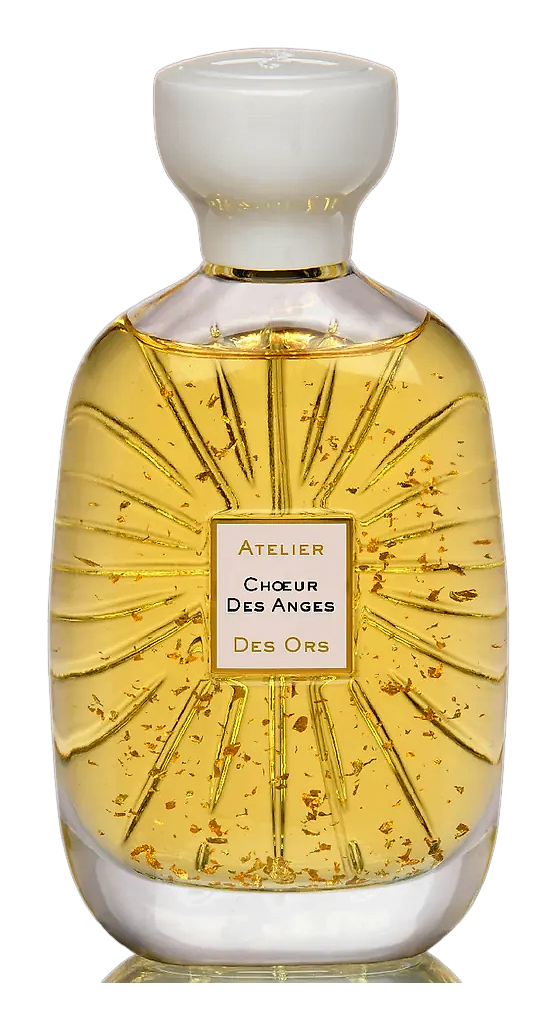
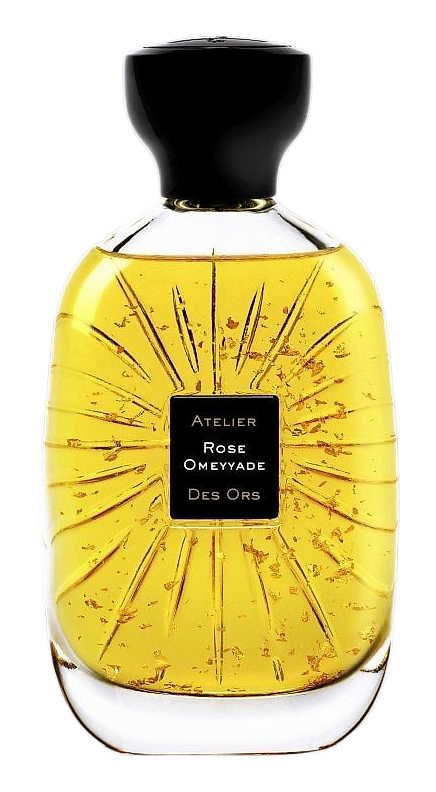
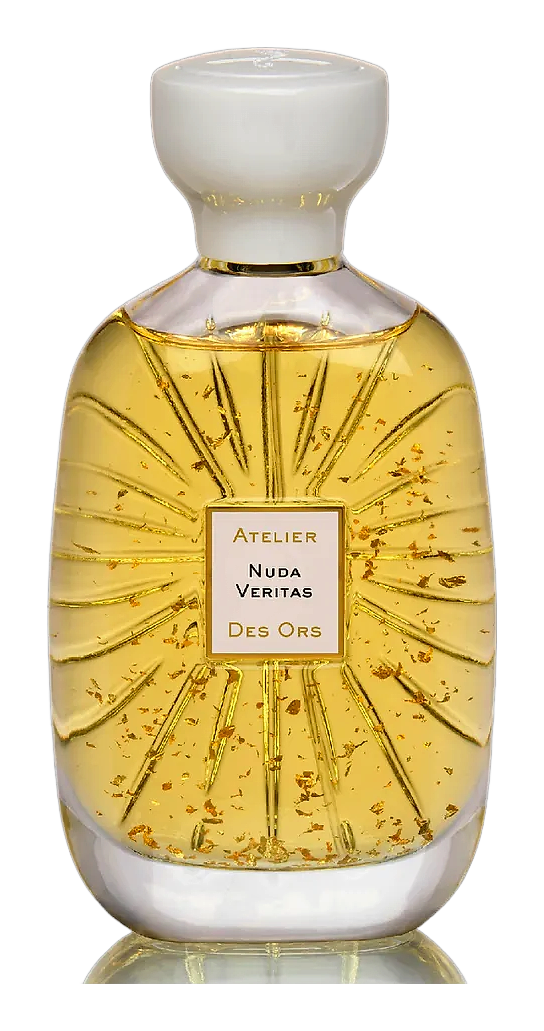
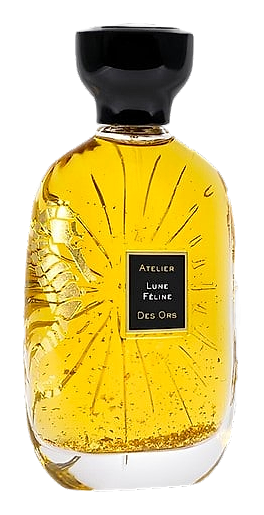
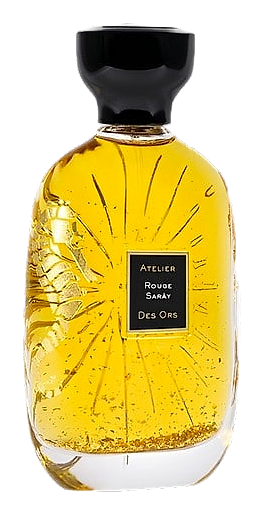
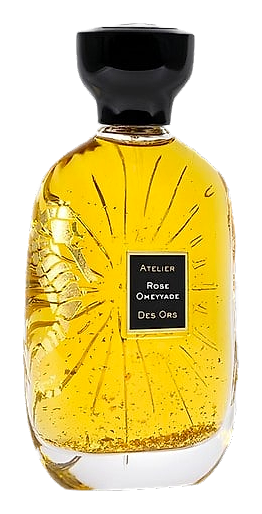
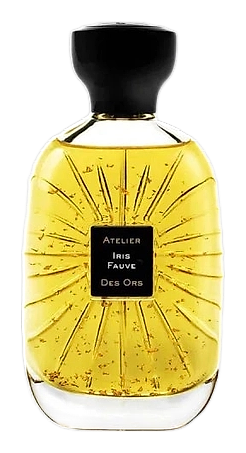
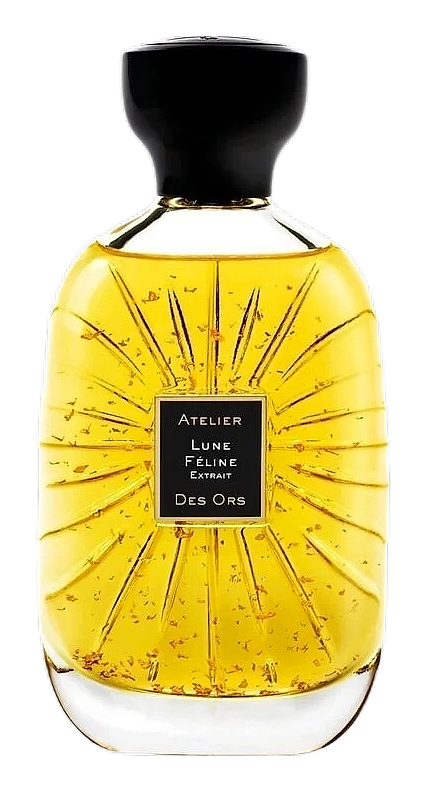
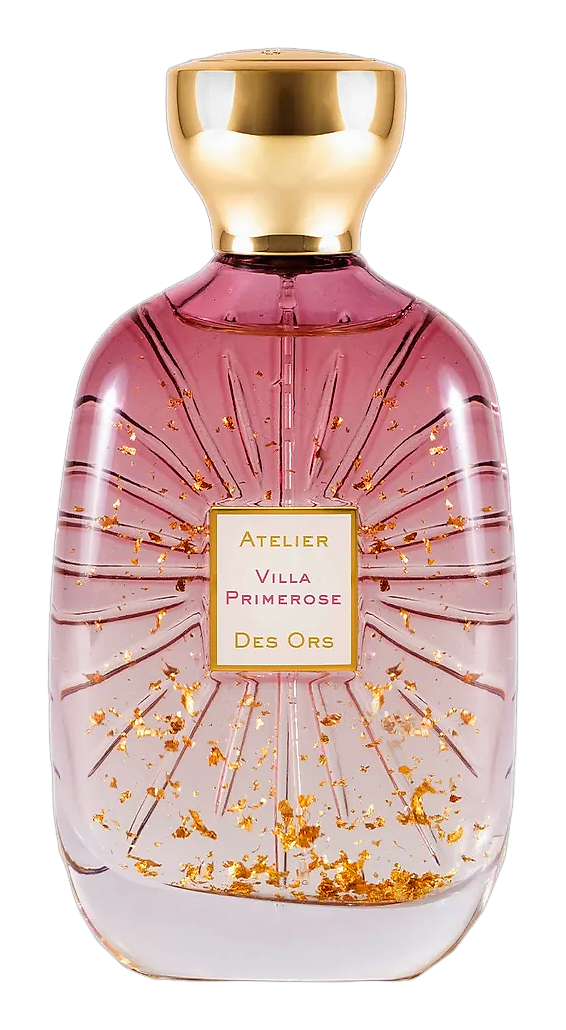
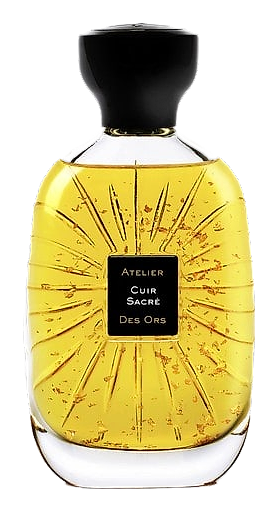
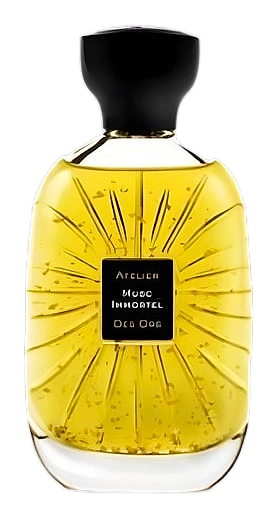
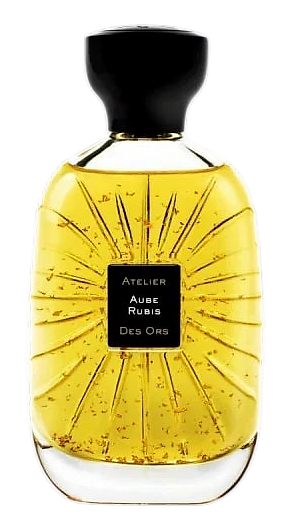
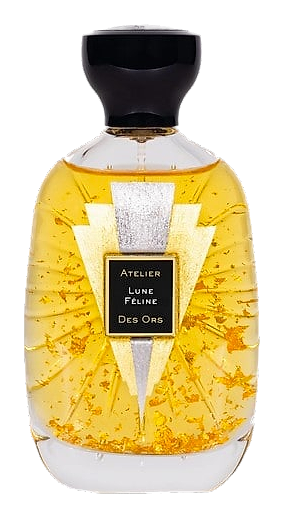
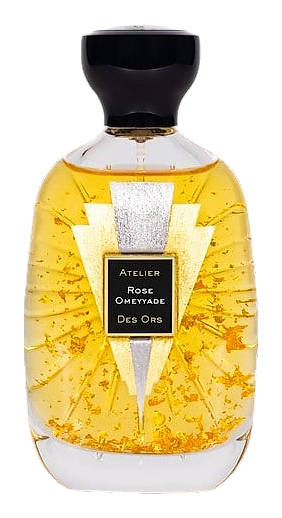
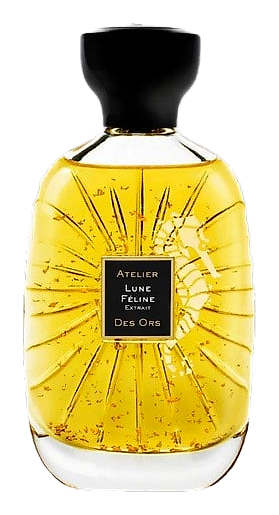
Jean-Philippe Clermont founded Atelier des Ors in 2015 with a deep admiration for haute perfumery and the innovative spirit of 1920s–1930s French fragrance houses. According to available sources, a pivotal coincidence shaped the brand's direction: Clermont reconnected with perfumer Marie Salamagne, whom he had previously met during a trip to Dubai. Salamagne, working with DSM-Firmenich, would go on to sign every composition the house has released. The founding year brought four debut fragrances: Rose Omeyyade, Cuir Sacre, Aube Rubis, and Lune Feeline. Each drew from emotional and artistic inspiration, with some rooted in personal family legends and fairy tales. Clermont has described perfume as the art of opening the widest horizons of soul and memory through a few materials. The house views each fragrance as a kind of secret drawer, meant to be discovered deliberately or encountered unexpectedly. As the collection expanded, the house relocated its operations to Villa Primerose in Grasse, the historic perfume capital of France, where it continues to develop new compositions. In 2023, the house introduced Lune Feline Extrait, followed by Lune Feeline Vintage in 2024, extending one of its most recognized lines into concentrated forms. Atelier des Ors approaches fragrance as a complete art de vivre, a way of living connected to beauty and sensory experience. The house believes perfume should transcend its function as a pleasant scent and become a vehicle for emotion, memory, and artistic expression. Clermont has stated the mission centers on moving people, placing beauty and an artistic vision of perfumery at the center of daily life. Each composition begins with a specific emotional or artistic concept rather than a marketing brief. The house draws explicit inspiration from the great perfumery tradition of the 1920s and 1930s, viewing that era as a benchmark for artistic ambition. Atelier des Ors frames fragrance creation as a collaborative pursuit, working not only with perfumers but with craftsmen, gilders, photographers, musicians, painters, and other artists. This interdisciplinary approach positions perfumery as a living art form rather than an industrial process. The house publishes no explicit perfumer credits beyond Marie Salamagne's signature, suggesting a singular creative vision guiding all compositions. Fragrances are described as future memories, objects that will guard the soul and serve as sensory archives of particular moments or feelings.