    Brand Profile

    Asdaaf is a fragrance house rooted in the traditions of Arabian perfumery, creating scents that blend Eastern heritage with contemporary Wes…More

    United Arab Emirates

    4

    Fragrances

    4.1

    Rating

    18
    Majd Al Sultan by Asdaaf – Eau de Parfum
    Best Seller
    4.3

    Majd Al Sultan

    Eau de Parfum

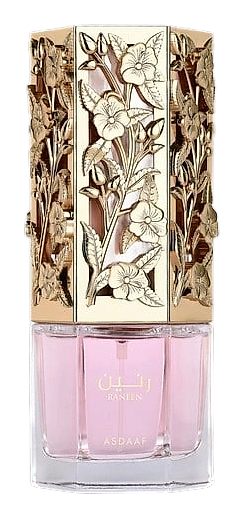
    Raneen by Asdaaf
    New
    4.2

    Raneen

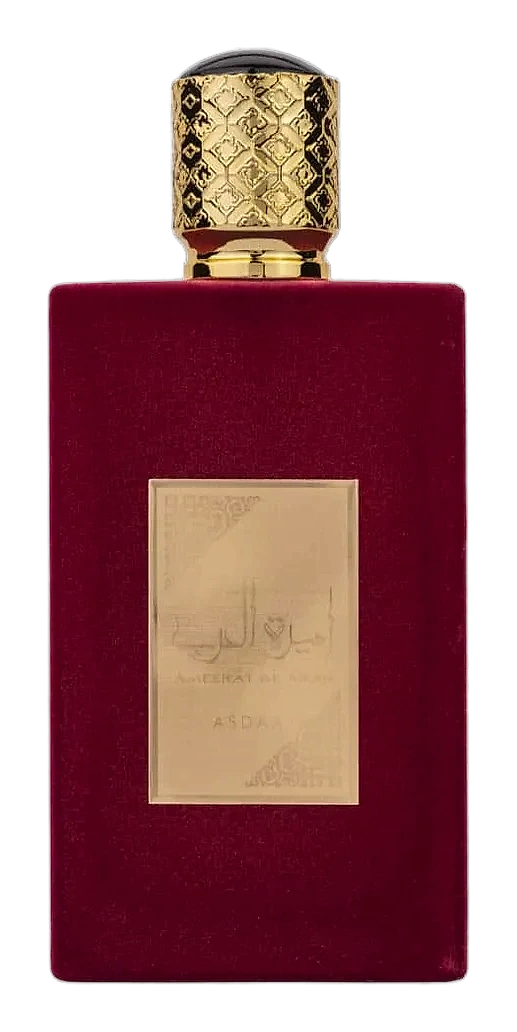
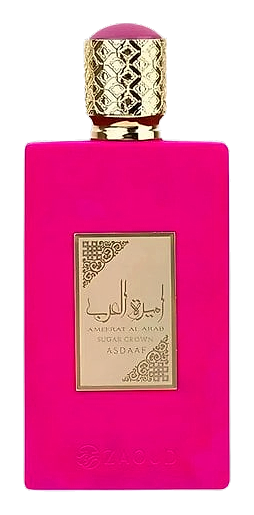
    Ameerat Al Arab by Asdaaf – Eau de Parfum
    4.1

    Ameerat Al Arab

    Eau de Parfum

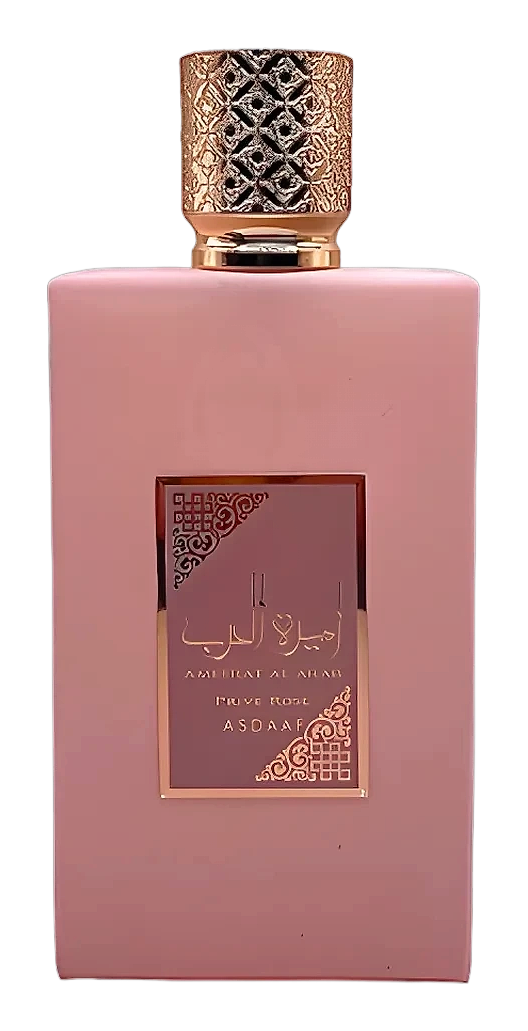
    Ameerat Al Arab Prive Rose by Asdaaf – Eau de Parfum
    3.9

    Ameerat Al Arab Prive Rose

    Eau de Parfum

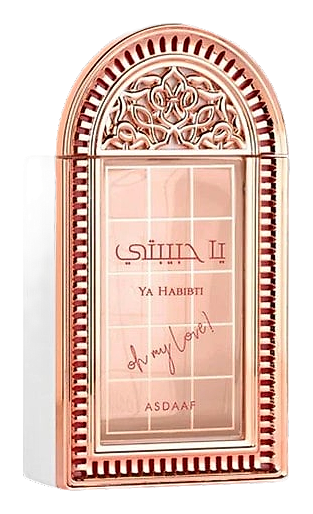
    Ya Habibti Oh My Love by Asdaaf
    NewBest Seller
    4.3

    Ya Habibti Oh My Love

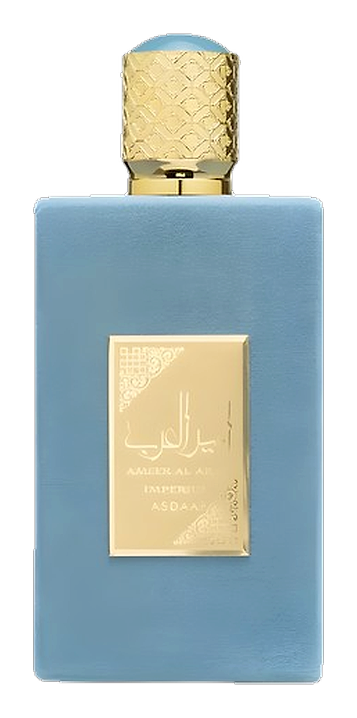
    Ameer Al Arab Imperium by Asdaaf
    Best Seller
    4.3

    Ameer Al Arab Imperium

    Bawadi by Asdaaf
    4.2

    Bawadi

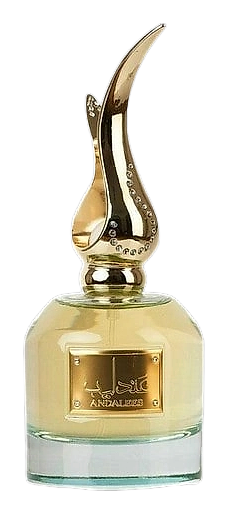
    Andaleeb Flora by Asdaaf
    4.2

    Andaleeb Flora

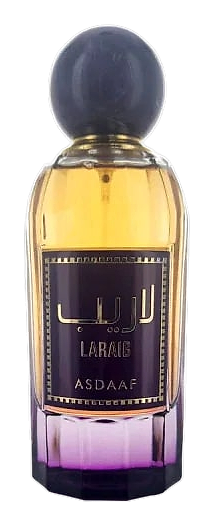
    Laraib by Asdaaf
    4.2

    Laraib

    Terhaal by Asdaaf
    4.1

    Terhaal

    Atlantis Blue by Asdaaf
    4.1

    Atlantis Blue

    Ameer Al Arab by Asdaaf
    4.0

    Ameer Al Arab

    1 of 2

    The Heritage

    The Story of Asdaaf

    Asdaaf is a fragrance house rooted in the traditions of Arabian perfumery, creating scents that blend Eastern heritage with contemporary Western sensibilities. Based in the Gulf region, the brand has built a loyal following among fragrance collectors who seek rich oud compositions, romantic rose profiles, and fresh orientals at accessible price points. Recent releases such as Ya Habibti Oh My Love (2025) and Raneen (2025) showcase a youthful, romantic direction through lighter bottles and floral imagery, while older signatures like Majd Al Sultan (2020) and Bawadi (2020) established the house with bolder, amber-forward constructions. The brand occupies a distinct space in the GCC fragrance market, where Arabian perfume traditions meet modern consumer expectations for both authenticity and variety. Asdaaf's growing catalog spans multiple fragrance families including fresh aquatics, warm ambers, and soft florals, reflecting a deliberate effort to reach both newcomers and seasoned collectors exploring Arabian perfumery for the first time.

    Heritage

    Arabian perfumery draws from one of the oldest fragrance traditions in the world. Archaeological findings place the earliest use of aromatic substances in the region of ancient Mesopotamia, roughly four thousand years before the common era. Over centuries, Gulf cities became centers for the trade and crafting of oud, musk, amber, and rose absolute, materials that continue to define the region's olfactory identity. The modern GCC fragrance market expanded rapidly in the late twentieth and early twenty-first centuries, as consumer interest in Arabian perfume traditions spread beyond the Middle East into global markets. Asdaaf emerged within this context, joining a landscape of Gulf-based fragrance houses that have shaped how Arabian scents are perceived and consumed worldwide. The brand operates primarily within the GCC market, where its products circulate among dedicated fragrance communities that share detailed notes, comparisons, and wear observations across online platforms. Asdaaf's growing catalog from 2020 onward reflects the GCC tradition of releasing numerous expressions across fragrance families, with each product named in Arabic to reinforce cultural identity. The house does not appear to have a publicly documented founding date or named founder, a common characteristic among many Gulf fragrance brands that operate with limited external press coverage. However, the brand's consistent output and the specificity of its fragrance catalog suggest a structured creative and production operation working within the established norms of regional perfume manufacturing.

    Craftsmanship

    Specific production details, ingredient origins, and extraction methods are not publicly documented for Asdaaf. The brand operates within the broader GCC fragrance manufacturing ecosystem, where regional facilities and established supply chains support a wide range of Arabian perfume houses. Gulf nations host significant fragrance production infrastructure, enabling houses like Asdaaf to produce concentrated perfume oils, Eau de Parfum formulas, and related products for regional and export markets. Materials central to Arabian perfumery, including oud (agarwood), rose absolute, musk, and various amber bases, form the backbone of the brand's known catalog. These ingredients are widely available through regional suppliers and represent the foundation of the Arabian fragrance tradition that the house draws from. The concentration levels and longevity profiles reported by fragrance communities suggest formulas built for strong sillage and extended wear, consistent with GCC consumer expectations. Quality control practices and specific ingredient sourcing relationships are not publicly confirmed, a gap common across Gulf fragrance houses that maintain lower public profiles than international brands. The overall production approach appears oriented toward consistent batch quality and formula stability across a growing catalog of releases.

    Design Language

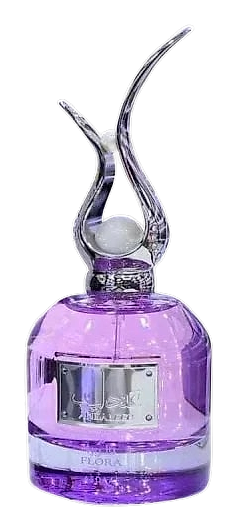
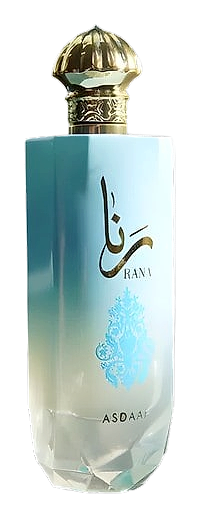
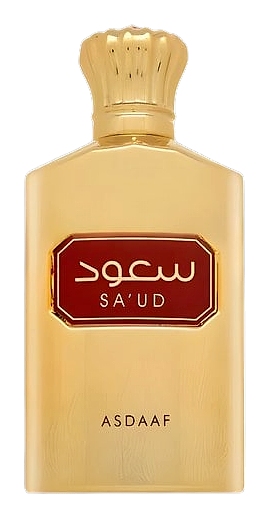
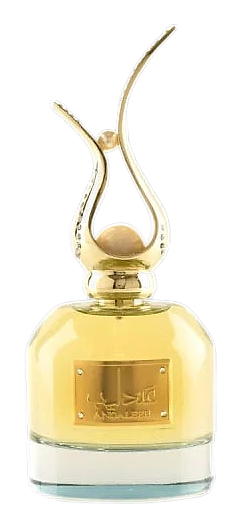
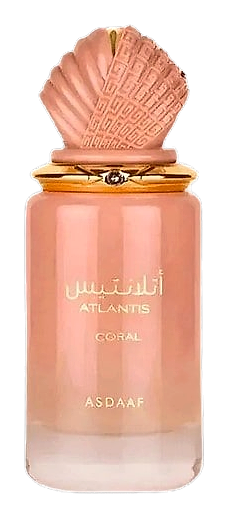
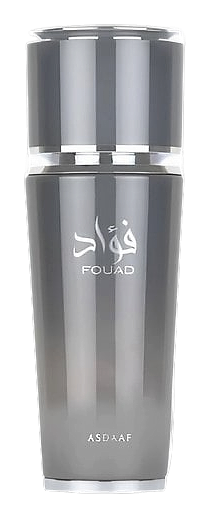
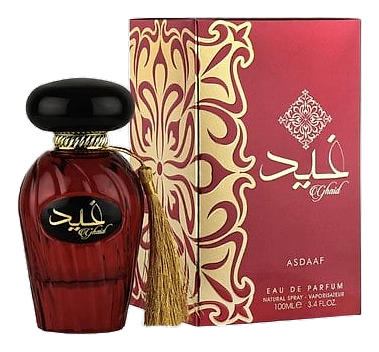
    Asdaaf's visual identity centers on a color-coded system applied across its fragrance lines, where each distinct shade corresponds to a product family or scent profile. The warm amber and gold tones visible in many bottles reference the richness of Arabian perfume traditions without relying on excessive ornamentation. Bottle designs tend toward geometric simplicity with clean lines and metallic caps, creating a premium appearance at accessible price points. The presentation avoids ostentation, favoring a refined look that appeals to both new and experienced fragrance buyers. The brand's recent releases have introduced lighter, more floral visual motifs that broaden the aesthetic range beyond traditional oriental imagery, reflecting the catalog's expansion into fresh and romantic fragrance families. Packaging maintains a cohesive identity across releases while allowing individual products to feel distinct. Overall, the aesthetic balances heritage and modernity, positioning Asdaaf as a contemporary brand with deep roots in Arabian perfumery rather than a purely traditional house. The accessible presentation communicates that these are perfumes meant to be worn and shared, aligning with the brand's philosophy of bringing Arabian fragrance traditions to a wider audience.

    Philosophy

    Asdaaf approaches fragrance as an accessible form of self-expression rather than an exclusive luxury. The brand positions itself within the Arabic perfume tradition while remaining open to modern Western influences, creating scents that feel familiar to Gulf consumers yet appeal to a broader international audience discovering Arabian perfumery. The brand's name, a word found in Arabic vocabulary, subtly reflects an ethos of self-sufficiency and individual worth that informs the house's broader identity. Rather than pursuing niche exclusivity, Asdaaf builds its catalog around emotional resonance and daily wearability, producing fragrances that accompany their wearers through ordinary moments as confidently as special occasions. The house draws on the GCC tradition of generous application and long-lasting sillage, creating concentrated formulas designed to project throughout the day. This practical orientation aligns with Gulf fragrance culture, where scent is a personal signature and an expression of hospitality. Asdaaf's emphasis on value and accessibility opens the tradition of Arabian perfumery to consumers who may be exploring it for the first time, making the brand a bridge between heritage and wider discovery. Fragrance naming conventions at Asdaaf reinforce cultural identity, using Arabic vocabulary that resonates with the brand's core audience while remaining intriguing to newcomers.

    Key Milestones

    2020

    Majd Al Sultan and Bawadi released, establishing the house's oriental identity.

    2021

    Andaleeb Flora added a floral dimension to the growing catalog.

    2022

    Three releases: Ameerat Al Arab, Terhaal, and Laraib expand the brand's range.

    2023

    Atlantis Blue introduces a fresh aquatic direction to the catalog.

    2024

    Ameer Al Arab Imperium marks a notable release in the premium oriental segment.

    2025

    Ya Habibti Oh My Love and Raneen launch, signaling a youthful romantic direction.

    At a Glance

    Brand profile snapshot

    Origin

    United Arab Emirates

    Collection

    4

    Fragrances released

    Avg Rating

    4.1

    Community sentiment

    Release Rhythm

    2026
    2
    2025
    4
    2024
    2
    2023
    2
    2022
    4
    2021
    1
    2020
    2

    Did You Know?

    Interesting Facts

    Distinctive details and defining moments that shape the house personality.

    01

    The GCC fragrance market is substantial, with regional consumers among the highest per-capita purchasers of perfume globally, supporting a dense landscape of Arabian fragrance houses.

    02

    Arabian perfumery traditions trace documented roots back roughly four millennia in the broader Middle Eastern region, predating modern commercial fragrance by thousands of years.

    03

    Many Gulf fragrance houses, including Asdaaf, do not publicly attribute specific releases to named perfumers, a practice common across the regional market.

    04

    Asdaaf has released at least ten named fragrances across six years, reflecting the high-output catalog strategy typical of Gulf perfume houses.