
Heritage
A house, in its own words
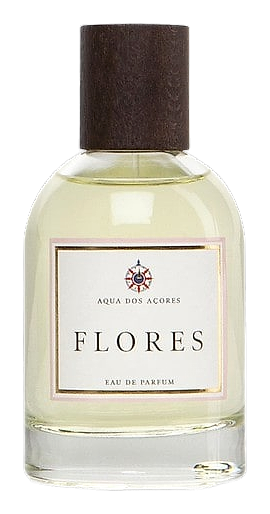
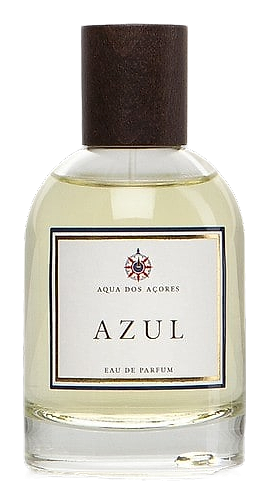
The origins of Aqua dos Açores trace to 2008, when a Florentine couple, Cinzia Caiazzo and her husband, visited the Azorean islands and developed what sources describe as an enduring attachment to the archipelago. The visit appears to have been unplanned, occurring almost by chance, yet it sparked a sustained creative relationship with the remote Portuguese territory. The brand began as what founders described as an olfactory travel journal, translating specific locations, moods, and natural phenomena from the nine volcanic islands into wearable compositions. Rather than launching with a single signature scent, the house developed multiple fragrances corresponding to different aspects of Azorean life and landscape. The house gained visibility through trade exhibitions including Fragranze in Florence, positioning itself within the independent perfumery circuit rather than mainstream fragrance distribution. The brand maintains its connection to Italian production while drawing entirely from Portuguese island geography for its creative material. The 2019 release of both Flores and Azul expanded the collection, following earlier work including Canto from 2010. Over time, the house has positioned sustainability and ethical production as foundational to its operations, reflecting the Azorean tradition of careful stewardship of isolated natural environments. Aqua dos Açores operates from a belief that fragrance can function as documentary rather than pure abstraction. The founders view each island in the Azorean chain as a distinct olfactory territory requiring its own vocabulary, rather than treating the archipelago as a single aesthetic concept. This approach yields fragrances named for specific colors, sounds, and natural phenomena rather than romanticized place names. The brand emphasizes that its creative process begins with direct sensory experience of the islands, suggesting that compositions are derived from accumulated memory and observation rather than ingredient shopping lists. Sustainability enters the philosophy through the Azores themselves, an isolated ecosystem where environmental consciousness is not marketing language but survival logic. The house applies this perspective to ingredient sourcing and production methods, though specific certifications or processes remain largely undocumented in available sources. The decision to produce both personal fragrances and home candles reflects a broader vision of scent as environmental rather than purely personal, extending the olfactory narrative beyond the body into living spaces.