Heritage
A house, in its own words
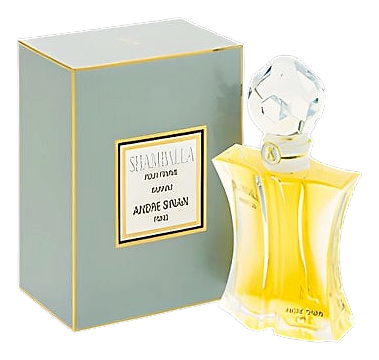
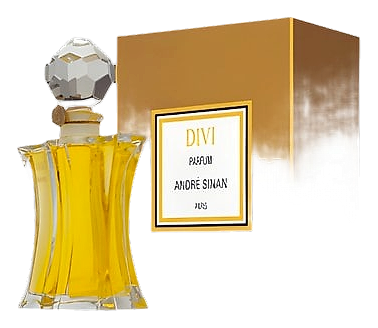
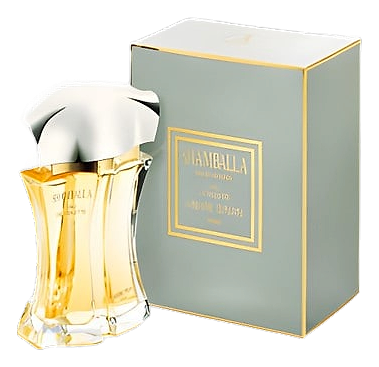
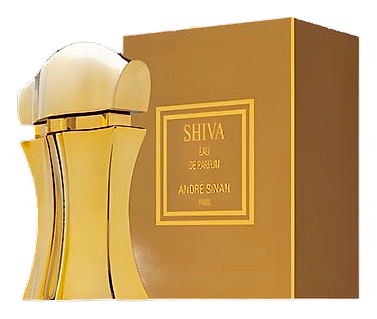
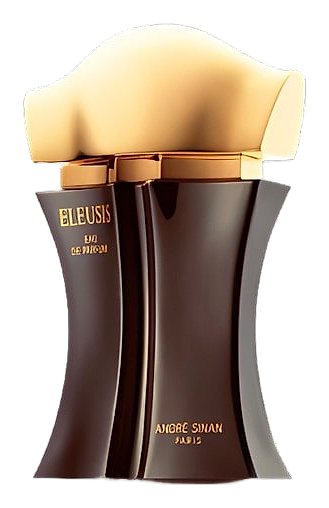
André Sinan appears to have emerged at the end of the 1980s, with its documented catalogue beginning in 1990. Unlike many fragrance houses that build their identity through a prominent founder narrative, the available research does not establish a verifiable founder, origin city or long sequence of milestones for André Sinan. The clearest historical marker is the 1990 debut of its known perfumes: Eleusis, Shamballa for Man, Salacia, Shamballa for Woman, Shiva and Divi. Parfumo specifically notes that all André Sinan perfumes known to it were released in 1990. This makes the house’s beginnings feel concentrated and deliberate, presenting an entire mythological wardrobe within its first recorded year. The names point toward Greek mythology and the Eleusinian mysteries, while Shamballa comes from the Tibetan term for a legendary Himalayan paradise. Salacia, a Roman goddess associated with the sea, adds another geographical and mythological layer. Without a detailed company chronology, the collection itself becomes the clearest record of the house’s early identity. André Sinan did not appear to cultivate the kind of public institutional history common to long-established perfume houses. Its heritage is instead visible in the naming, aromatic materials and the concentrated launch of a coherent collection in 1990. André Sinan’s creative philosophy can be read through the titles of its fragrances rather than through a well-documented manifesto. Eleusis invokes ancient ritual and the Eleusinian mysteries, Shiva brings a Hindu deity into the world of scent, and Salacia introduces a Roman sea goddess. Shamballa for Man and Shamballa for Woman suggest a shared mythic world interpreted through separate compositions. This naming strategy gives the house a conceptual starting point that is more evocative than purely descriptive. Each title appears designed to place an individual fragrance inside a larger story of myth, place and transformation. The available note data supports a consistent preference for materials with weight and texture. Patchouli leads the Eleusis profile, while vetiver, amber, musk, lavender and labdanum recur across the documented scents. These materials favor depth over transparent floral freshness and suit the house’s shadowy, contemplative mood. André Sinan’s approach seems to connect perfumery with cultural memory without offering a detailed public account of how the names were selected. The result is a collection of fragrances that function like chapters in a mythological cycle, with atmosphere and identity carried through both naming and scent.