





Heritage
A house, in its own words
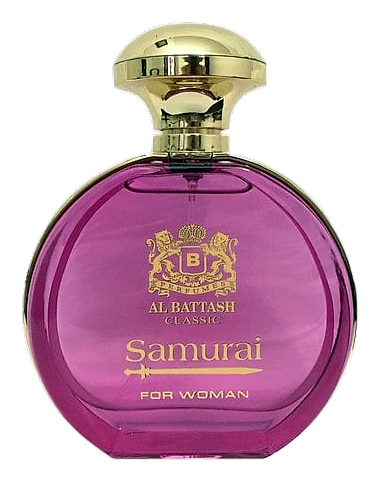
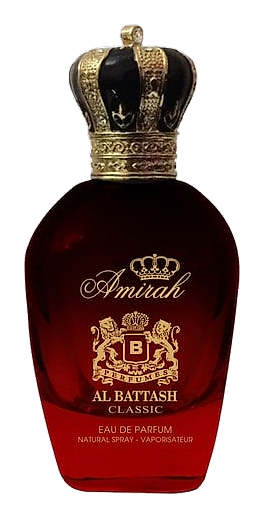
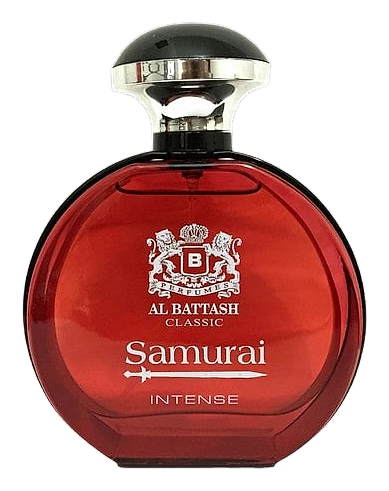
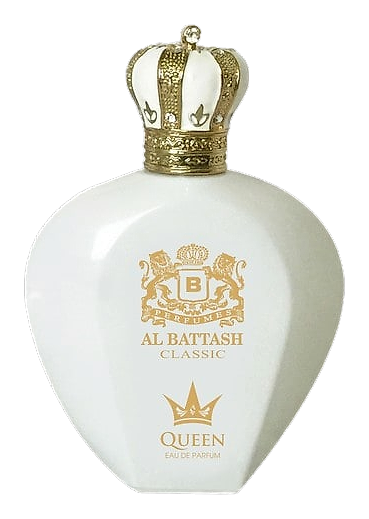
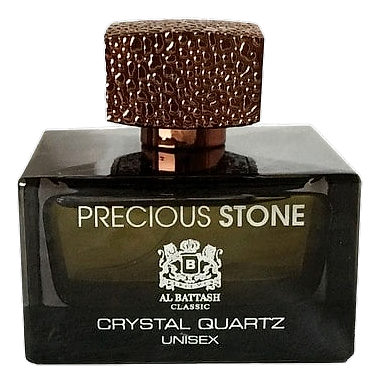
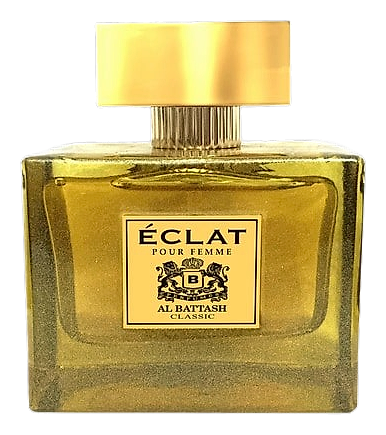
Al Battash Classics traces its origins to Al Battash Concepts, a perfume house based in the United Arab Emirates and headed by Saber Al Battash, as noted by the Parfumo brand directory. The house initially established itself with Concept No. 1, a fragrance built around amberwood, cedar, pepper, and vanilla, according to its own product description. The later Classic collection brought together thirteen releases, all dated to 2015 in fragrance databases. This represented a shift from a single flagship concept toward a structured portfolio with distinct names, bottle forms, and audience positioning. The catalogue reflects the commercial reality of the Middle Eastern fragrance market, where families and house names such as Al Battash became known through boutiques, department stores, and specialist retailers across the Gulf and wider region. The Classic line's gendered division into men's and women's compositions, paired with names such as Samurai, Queen, and Rooh Fazza, mirrors the conventions of global perfume retail while retaining local linguistic and cultural references. A Pinterest board titled "Al Battash Concepts No. 1 ideas" dating to July 2018 suggests the early concept continued to inspire creative exploration and visual interpretation after the Classic collection had entered the market. With limited third-party documentation available on the house's early years, the verifiable picture is one of a UAE entrepreneur building a recognisable perfume brand around sculptural bottles, varied scent identities, and a breadth of names designed for a diverse regional clientele. The philosophy behind Al Battash Classics appears to centre on fragrance as an expression of identity and cultural meaning. The house's naming choices reveal this instinct clearly. Rooh Fazza, an Arabic phrase associated with soul and inspiration, appears in both homme and femme versions, while Amirah and Rabia carry distinctly Arabic names. Other releases reach outward, with Samurai drawing on Japanese warrior culture and Queen evoking royalty, suggesting a deliberate strategy of building a catalogue in which each fragrance occupies its own symbolic space. Bottle design seems equally important to this approach. Rather than standardising across the range, the house presents flacons shaped as crowns, stones, and other objects, allowing the physical product to communicate as much as the scent itself. This aligns with a long-standing practice in Gulf fragrance retail, where presentation, packaging, and display carry considerable weight. Concept No. 1's composition of amberwood, cedar, pepper, and vanilla points toward a preference for woody, warm structures that work closely with the brand's visual language of weight and ornament. No perfumers are publicly credited to the Classic line, so it is not possible to trace a single artistic signature across the collection. The clearer theme is variety within a coherent frame, names and bottles that give each release an individual character while the house name provides continuity.