Heritage
A house, in its own words
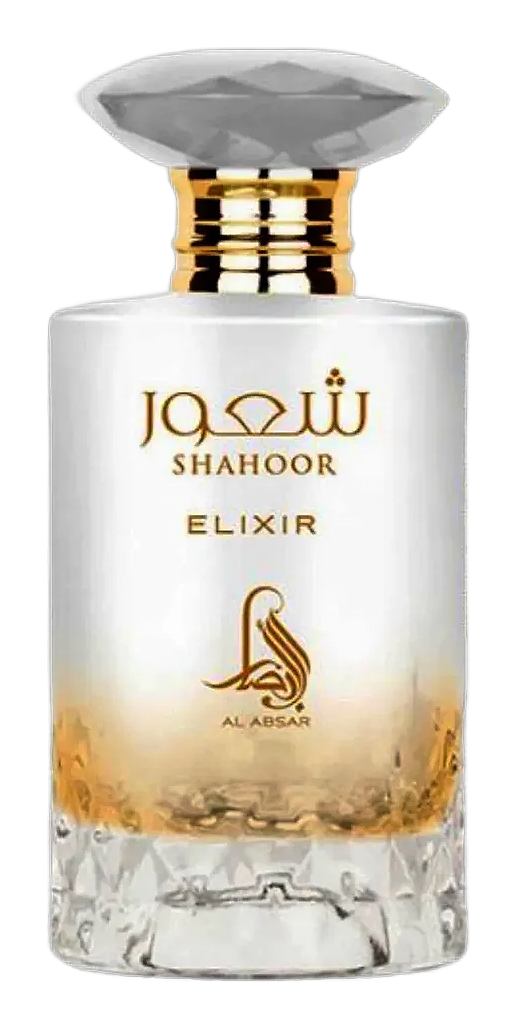
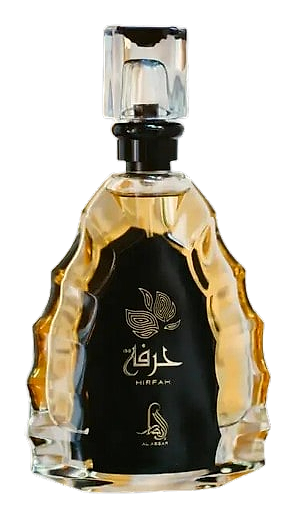
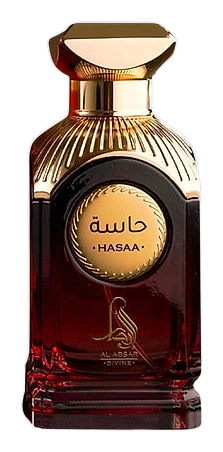
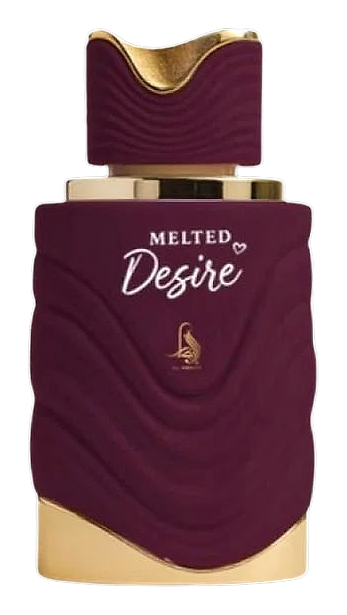
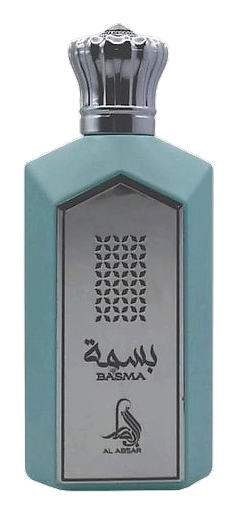
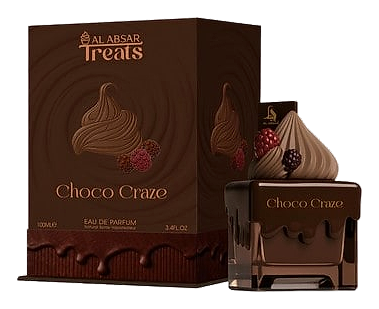
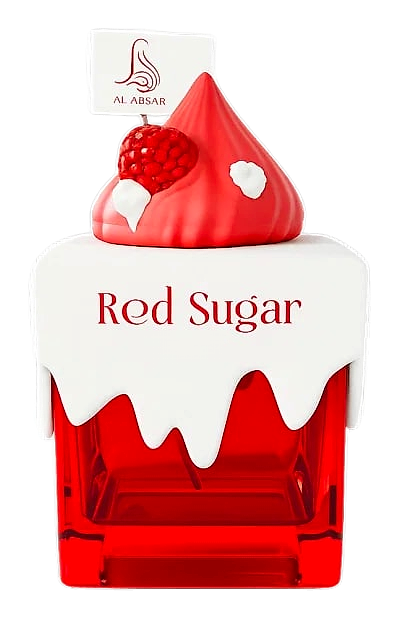
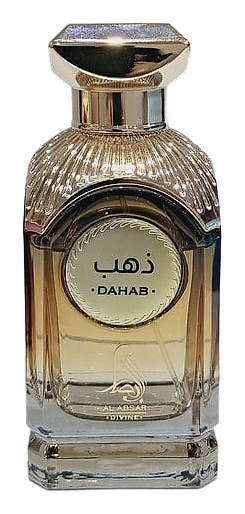
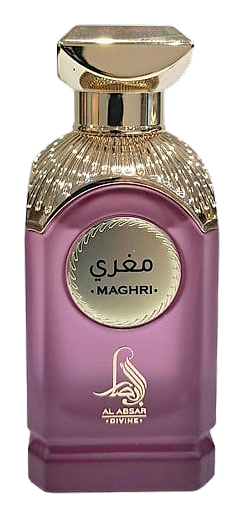
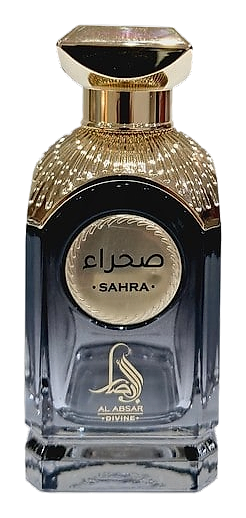
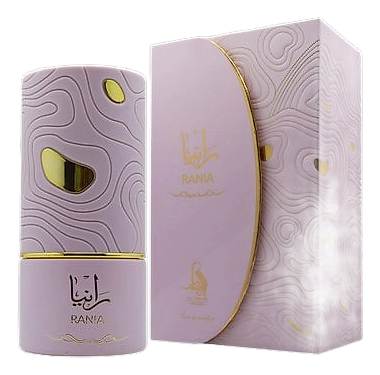
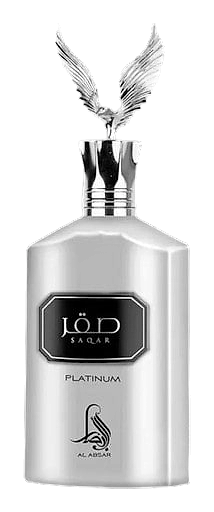
The story of Al Absar begins in 2013 when a group of Emirati entrepreneurs announced a plan to build a niche perfume house rooted in the region’s olfactory heritage. Their announcement appeared on a regional business Instagram account that highlighted the ambition to create a brand "out from the Emirates". Within two years the company released its first public collection, featuring the 2020 launch of Hirfah and Shahoor Elixir, both of which blended oud, amber and spice in a format that appealed to collectors of Arabic perfume. By 2022 Al Absar secured an exclusive distribution agreement with Orientfragance, a European distributor that holds a single registration for the brand in the CPNP database in Barcelona. This registration ensures that each Al Absar formula complies with EU safety standards and allows the house to ship its products across the continent. In 2024 the brand expanded its portfolio with Beaute Fraiche Green, a fresh, green‑oriented scent that marked a shift toward lighter accords while retaining a base of sandalwood and musk. The following year Saqar Platinum entered the line‑up, showcasing a richer, more resinous character that resonated with fans of traditional oud. 2026 saw the release of three new fragrances—Rania, Sahra and Hasaa—each exploring a different facet of Arabian floral and woody notes. Throughout its first decade Al Absar has maintained a steady output, avoiding mass‑market expansion in favor of limited‑run releases that cater to niche collectors. The brand’s growth has been documented in user‑generated content on TikTok and YouTube, where fragrance enthusiasts review each launch and compare the scents to classic Arabian compositions. These independent videos provide a public record of the house’s evolving style and its reception among the global perfume community. Al Absar states that its creative vision rests on two pillars: respect for the olfactory traditions of the Gulf and a willingness to experiment with modern ingredient pairings. The founders have spoken about a desire to translate the scent of historic sites such as Qasr Al Hosn into wearable art, a concept that appears in several interview snippets shared by fragrance bloggers. The brand emphasizes transparency in sourcing, preferring ingredients that can be traced to regional growers or to sustainable farms abroad. It also seeks to keep pricing accessible, a point highlighted by a 2025 Instagram comment that described the house as offering "affordable" inspired scents. Al Absar’s values include craftsmanship, cultural relevance and environmental responsibility. The house avoids vague claims of "redefining" the market; instead it focuses on delivering well‑balanced compositions that honor the past while speaking to contemporary tastes. Community feedback on platforms such as TikTok informs future releases, allowing the house to respond to real‑world preferences rather than relying solely on internal forecasts.