
The Story
Why it exists.
The beginning
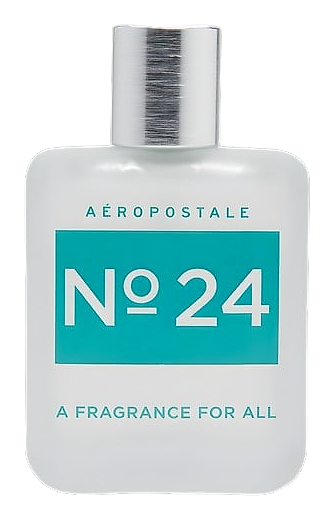
Nº 24 arrived in 2018 as part of Aéropostale's fragrance lineup, a composition built around three carefully chosen materials. The scent itself is a study in restraint. Nashi pear, oakmoss, and cedar. Each one pulls in a different direction, held together by the simplest possible structure. No gourmand sweetness, no smoky drama, no oud flex. Just a clean, green, woody thing that smells the way a breeze through a forest orchard would if such a place existed. It's a fragrance that doesn't try to impress. It just shows up and works. The opening carries that distinctive nashi pear note, crisp and aqueous, with a freshness that borders on vegetable rather than fruit.
Nashi pear is an interesting choice. Not the soft, sugary Bartlett, not the bright snap of a green Anjou. Nashi sits somewhere between apple and pear, with a grainier, more aqueous quality, almost like drinking cold water with a piece of fruit in it. Pairing that with oakmoss, one of classical perfumery's oldest green materials, grounds the fruit in something unmistakably earthy. The oakmoss here reads damp and forest-floor, the kind of green that makes you think of moss on a stone wall after rain.
The evolution
The opening of Nº 24 is all nashi pear, that crisp, almost-cucumber freshness, slightly sweet but not juicy. There's a coolness to it that reads more like morning air than ripe fruit. As the hours pass, the pear begins to recede and the oakmoss surfaces, bringing a damp, green quality that's more forest than fruit. It's not a dark, intense moss. It's the kind of green you'd smell walking through a park after a light rain, soft and mineral. Eventually, cedar takes the lead. The drydown is straightforward: warm wood, slightly dry, with a faint ghost of the pear still hanging in there somewhere. The transition from top to base is gradual, almost geological in its slowness, with each note taking its turn at the front before stepping back into the blend.
Cultural impact
Nº 24 sits in an unusual space within fragrance communities. Three notes, no excess, a mossy-pear-cedar profile that earns genuine respect from enthusiasts who appreciate restraint. Wearers tend to be people who want something clean and uncomplicated, a daytime scent that doesn't compete for attention. The moss-and-pear direction gives it a green, natural character that distinguishes it from the citrus-forward compositions that dominated the same era. Among collectors and online fragrance forums, the scent tends to surface in conversations about quiet, well-made compositions that don't rely on trend ingredients or aggressive marketing.