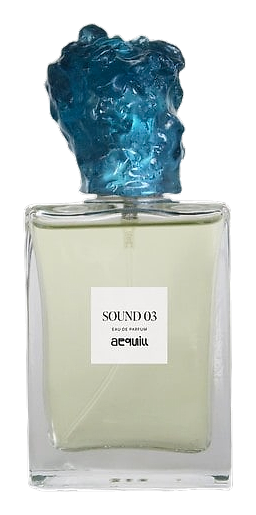
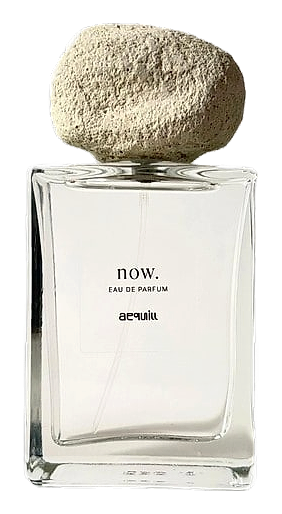
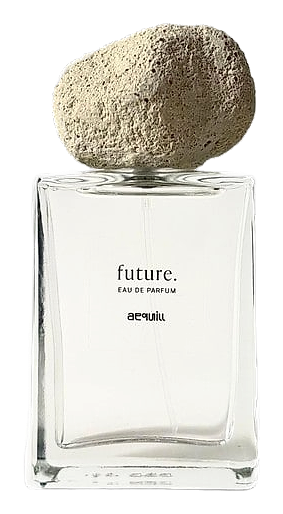
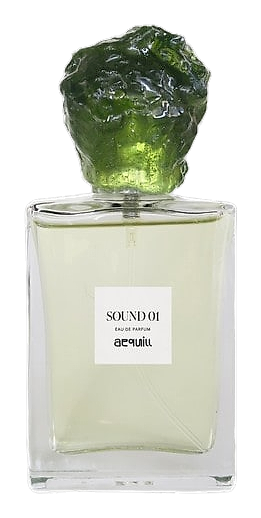
Heritage
A house, in its own words
AEQUILL traces its story to East London, where the house was founded and where artist Ecka Mordecai drew much of its early inspiration. The location gives the brand a distinctly local beginning while connecting fragrance to the wider cultural energy of London. Public descriptions place the house at the meeting point of art and perfumery, with scent treated as a way to explore ideas that sit beyond conventional fragrance categories. The house first presented its artistic point of view through a debut release created with Ecka Mordecai, its resident artist. That collaboration established a recurring idea: perfume can be made through creative exchange, not only through the work of a perfumer. AEQUILL has since described itself as a London fragrance house rooted in art, with nearly a decade of activity behind it. The founding date is reported as 2022, although other brand material refers to nearly ten years in business. That discrepancy may reflect the earlier origin of the project or differing dates for formal establishment. The central story remains consistent: AEQUILL grew from East London and developed fragrance as an artistic practice linked to place, people and creative thought. AEQUILL believes fragrance can carry ideas that are difficult to express through words alone. Its compositions are presented as works of art, with music, visual culture and the experience of time serving as creative references. The house is interested in perfume as a space for concentration, where individual notes can sit beside one another and reveal different relationships as they unfold on skin. This approach gives AEQUILL a distinctive position within the London fragrance scene. Rather than relying only on familiar categories such as floral, woody or fresh, the house frames each release through a broader creative concept. Artist Ecka Mordecai’s role reinforces the idea that composition begins with exchange and observation. Her work connects the brand’s East London roots to its fragrances, making artistic process part of the identity rather than a decorative story added afterwards. The result is a house that treats perfume as both personal experience and cultural object. Its appeal lies in the invitation to pause, notice and interpret. AEQUILL’s identity is precise without becoming rigid, and its artistic framing allows a fragrance to feel considered, expressive and open to individual readings.