
The Story
Why it exists.
The beginning
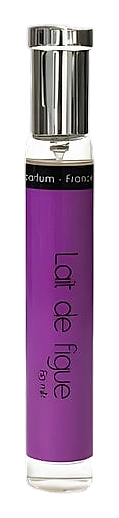
Lait de Figue is Adopt Parfums' take on a note the house has returned to more than once. Fig has a natural affinity with the brand's ethos, accessible, warm, unpretentious. Where Mûre Figue leans darker with its blackberry pairing, Lait de Figue strips everything back. The name says it: fig milk, nothing more complicated than that. It was built for someone who wants the fruit without the performance.
What makes this composition work is the way the materials breathe together. Fig on its own can skew green, almost leafy, the lactonic quality that gives it that creamy, almost coconut-like warmth is what the perfumer chose to amplify here. Ylang-ylang doesn't try to dominate; it softens the edges, adds a floral cushion without becoming indolic or heavy. Sandalwood is the quiet anchor, keeping everything grounded in something warm and woodsy rather than letting the sweetness float away. Three notes. No gimmicks. The restraint is the point.
The evolution
The opening arrives soft. No sharp citrus, no alcohol punch, just fig, present and immediate, the kind of sweetness that doesn't announce itself. Within the first twenty minutes, the ylang-ylang emerges, pulling the composition toward something tropical and slightly powdery. The sandalwood doesn't rush. It takes its time, settling in around the forty-minute mark as a dry, warm base that rounds off the sweetness. By hour two, you're left with something close to the skin, a quiet sandalwood with just a whisper of fig still hanging around. The longevity holds for most wearers through an afternoon, though it fades to a whisper rather than a statement. On fabric, the fig lingers longer than on skin, which is where the milk imagery feels most accurate, soft, persistent, present without demanding attention.
Cultural impact
Lait de Figue arrived during the peak of the fig fragrance wave that swept through European mass-market perfumery in the late 2010s. Adopt Parfums, known for accessible luxury pricing, positioned this as an entry point into the fig family alongside Mûre Figue, making the creamy, coconut-adjacent interpretation accessible to a wide audience before its discontinuation.