The Dua Brand
The DUA Brand began in 2016 with a blunt proposition: luxury scent shouldn't require a luxury paycheck. Founder and creative force Mahsam Raza, trained in the perfume houses of Dubai, returned to the United States and built a house around that single idea, one he calls democratizing fragrance. What followed was less a debut than a blitz. DUA grew quickly into one of the most prolific clone-style houses in the American market, releasing a sprawling catalog that translates designer icons and niche references into wearable, affordable bottles. Raza runs the operation as both nose and business lead, writing compositions, steering production, and shaping the brand's irreverent, internet-native voice. The approach is deliberately volume-driven and trend-responsive, with new releases appearing at a pace most heritage houses would find unthinkable. Critics call it bold, traditionalists call it brazen. Either way, the catalog keeps growing, the bottles keep selling, and the conversation keeps going.
The hits
Notable creations
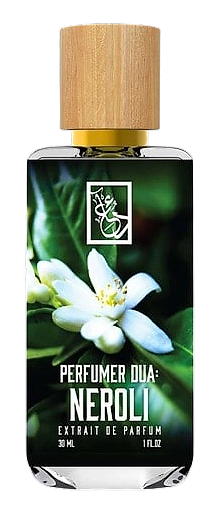
The signature
How The composes
DUA compositions tend to run bold, sweet, and unapologetically loud, built for the person who wants to be smelled before they are seen. Raza gravitates toward dense gourmands, rich oud accords, and heavy ambroxan bases, the structural pillars of the designer and niche references his catalog orbits. He pushes longevity hard, often loading formulations with high oil concentrations and anchoring top notes with iso E super, synthetic musks, and ethyl maltol. Florals get the treatment too, but filtered through syrupy or smoky lenses rather than the airy, soliflore tradition. The result is a house signature that reads instantly: dense, tenacious, projecting, and engineered to mimic the sillage and trail of fragrances that retail for many times the price. Raza is less interested in quiet skin scents than in full-armor statements.
Philosophy
What drives The
Raza treats fragrance as a conversation the industry has been gatekeeping for too long. The DUA Brand's creative north star is simple: a $500 scent and a $50 scent should be able to live in the same room without anyone flinching. He builds his compositions through close study of market hits, picking apart what makes a reference work and rebuilding it with accessible materials and elevated concentration. The brand leans heavily into AI-assisted development and rapid iteration, tools Raza sees as creative accelerants rather than shortcuts. He talks openly about the clone format as an act of commentary, a way of saying that the difference between art and commerce in perfumery is often just price. For Raza, accessibility is not a dilution of the craft. It is the point of it.
The houses