Paula Pulvino
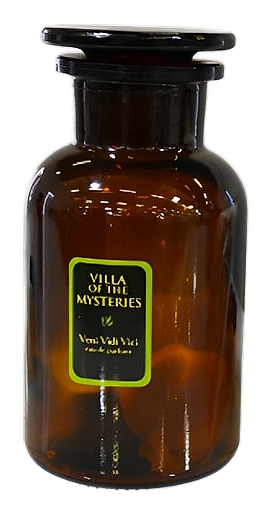
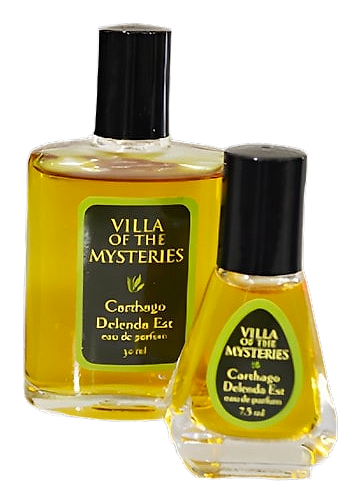
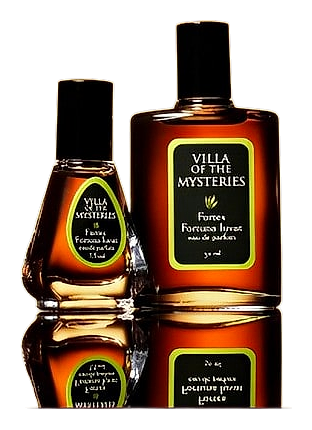
Paula Pulvino approaches perfumery through a deeply personal inheritance. Raised in upstate New York, she studied Advertising before moving to New York City, then discovered a book of formulas passed down by her grandmother. Its entries called for Mediterranean ingredients once used in perfumes and unguents, offering a vivid link between history, place, and craft. That discovery shaped her work at Villa of the Mysteries, where she creates fragrances from a distinctively archival point of view. Pulvino’s story is less a conventional training narrative than an act of family preservation: an old formula book becomes a creative starting point for compositions made in the present. Her background in Advertising also lends a polished, image-conscious sensibility to a practice rooted in old materials and remembered gestures.
The hits
Notable creations
The signature
How Paula composes
Pulvino’s style is rooted in the aromatic vocabulary of Mediterranean fragrance making, with a particular focus on ingredients historically associated with perfumes and unguents. Her compositions favor a sense of material richness, drawing attention to spice, herbs, resins, oils, and other evocative building blocks that suggest both antiquity and intimacy. The inherited formula book gives her practice a distinctive historical frame, one that can lend depth to otherwise modern compositions. She does not present her work as a simple reproduction of the past, but as a conversation with it. Her Advertising background contributes structure and visual clarity, helping each scent feel like a finished concept rather than an isolated note. The result is aromatic storytelling with a polished, sensual point of view.
Philosophy
What drives Paula
Pulvino’s creative philosophy begins with inheritance. The formula book she received from her grandmother did more than preserve technical knowledge; it connected her to the sensory culture of Mediterranean perfumery and unguents. She treats those historical references as living material rather than museum pieces, allowing them to inform contemporary compositions with their own point of view. Her work is driven by curiosity about how familiar ingredients can carry memory, texture, and association. The emphasis is on a sense of origin: each fragrance feels shaped by a place, a ritual, or an inherited idea. With a background in Advertising, she also understands how scent can function as an image, creating an atmosphere that is coherent, expressive, and immediately memorable.
The houses