Merle Bergers
Merle Bergers didn't begin in a perfumery school. She began in a small forest in the eastern Netherlands, where the trees outnumbered the neighbors and the soil carried its own kind of memory. That early intimacy with the natural world would eventually become the foundation of everything she builds today. A graduate of the acclaimed Design Academy Eindhoven (class of 2013 to 2018), Bergers arrived at perfumery through the back door of conceptual design, where scent serves less as decoration and more as a language. She founded Lingua Planta, her natural perfume house, around a singular premise: that plants communicate through molecular signals, and that a perfumer's role is to listen, translate, and reply. The brand takes its name from that idea, a tongue made of leaves. Her work sits comfortably between the studio and the laboratory, and she has built a reputation as a designer who uses fragrance as a medium for storytelling, not a finished product to be sold. Bergers also maintains a bespoke practice under the banner What's in a Tear, extending her interest in olfactory meaning into deeply personal commissions.
The hits
Notable creations
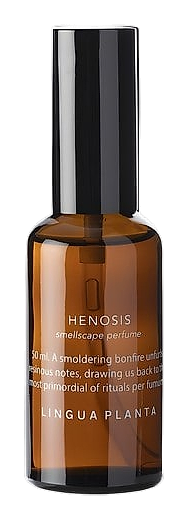
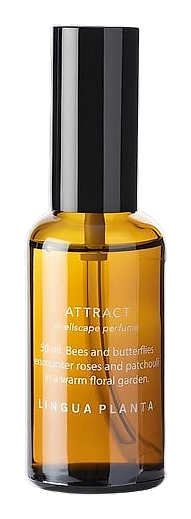
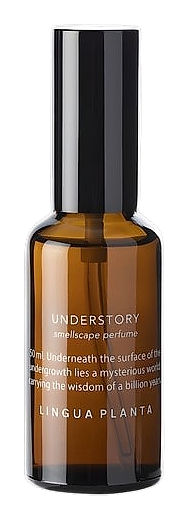
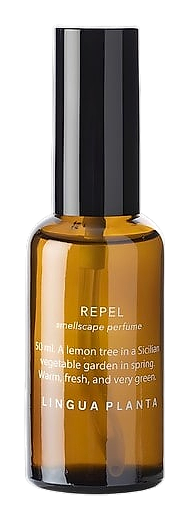
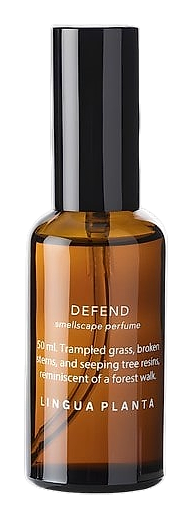
The signature
How Merle composes
Bergers works in natural raw materials and treats them with the patience of a studio artist. Her compositions tend to read as botanical portraits, built around green notes, earthy accords, and the more obscure territory of geosmin and petrichor, the smell of rain on dry ground. She gravitates toward ingredients that carry their own narrative: roots, resins, crushed leaves, and the damp mineral notes that emerge when soil is disturbed. Rather than chasing radiant sillage or confectionary sweetness, she leans into intimate, skin-close wear and slow, contemplative drydowns. Her technique borrows from perfumery's classical structure but filters it through a designer's instinct for concept and sequence. Every ingredient is chosen for what it says, not just what it smells like.
Philosophy
What drives Merle
Bergers builds fragrances the way an essayist builds arguments: slowly, with attention to what each sentence carries. Her philosophy rests on the conviction that perfumery is a form of listening. Plants, in her reading, are already speaking through volatile organic compounds, pheromones, and aromatic defenses, and a perfumer's job is to tune in rather than impose. She works exclusively with natural materials, drawn to their complexity and their willingness to shift, oxidize, and reveal new facets over time. The result, as she has said, is that her perfumes feel less like products and more like experiences with duration. There is an environmental and almost philosophical weight to her work, a sense that wearing one of her compositions is a way of participating in a larger chemical conversation happening beneath every forest floor.
The houses