Élise Alavoine
Élise Alavoine is a French perfumer whose public profile is shaped by discretion. Little is documented about her training, early career, or creative milestones, leaving her identity as much a matter of suggestion as record. The available references reflect the wider demands of the perfumer’s craft: years of technical study, repeated experimentation, and the ability to turn an abstract sensation into a precise, memorable composition. That background informs Alavoine’s air of restraint, though the sources do not confirm specific roles or creations for her. She belongs to a generation of noses who work patiently, often through thousands of trials, and who treat perfume as both science and intimate art. Her biography remains intentionally unfinished, with her compositions offering the clearest route into her sensibility.
The hits
Notable creations
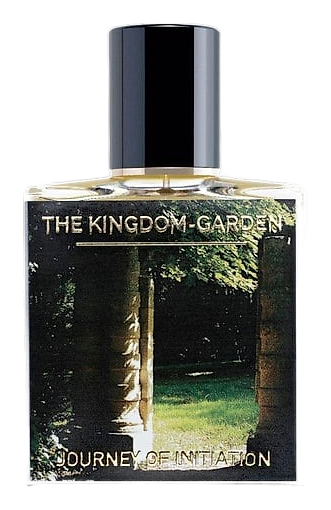

The signature
How Élise composes
Alavoine’s signature cannot be established from a documented list of releases, but the available profile points toward a refined, controlled style. Perfumers working in this tradition often favor precise accords, layered textures, and materials that reveal themselves gradually rather than announce themselves at once. The references mention scented memory, visual association, and emotion as working tools, indicating a sensory approach in which contrast carries emotional force. Citrus, woods, florals, spice, and soft musks may all play a role, yet assigning a preferred ingredient without evidence would overstate what is known. Her method seems best understood through patient evaluation and an instinct for balance: composing individual notes, testing their evolution, and refining the result until clarity and atmosphere meet.
Philosophy
What drives Élise
Élise Alavoine appears guided by subtlety, instinct, and emotional precision. The perfumers featured in the accompanying research describe their work through memory, color, and emotion, practices that suit a composer drawn toward atmosphere rather than overt effect. While her own words are not available, this context suggests an approach in which a fragrance develops through association and revision. Her creative interest may lie in the quiet tension between materials: something bright set against shadow, texture against skin, or an unexpected mineral note softening into warmth. The discipline of modern perfumery also matters. Thousands of trials, careful formulation, and close attention to how a scent changes over time can turn an appealing idea into a composition with lasting character.
The houses