Eddy Blanchet
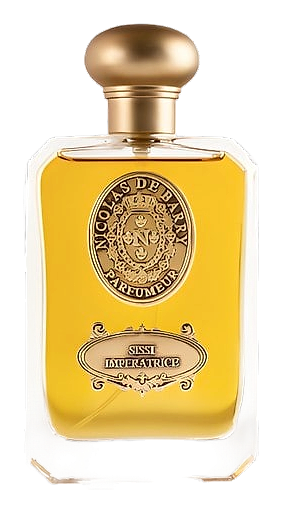
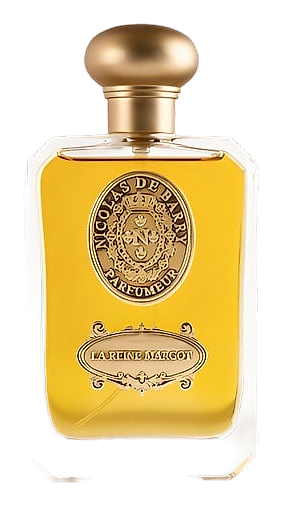
Eddy Blanchet combines a formal command of perfumery with a career spent inside the luxury world. He studied fragrance creation and sensory evaluation at the Grasse Institute of Perfumery, earning credentials in 2009, before building experience across the industry and later advising on luxury strategy. His path includes senior work at L’Oréal and consulting for Maison Nicolas de Barry, where he created L’eau de l’impératrice Sissi and L’eau de la Reine Margot. These historical feminine names suit a perfumer drawn to polished composition and narrative: scents that suggest character through more than decorative freshness. Blanchet’s wider interests in experience design and technology give his practice a cosmopolitan edge, yet his foundation remains classical perfumery training and the disciplined study of how scent is perceived.
The hits
Notable creations





The signature
How Eddy composes
Blanchet’s signature is polished freshness with structure. Citrus appears crisp and composite rather than imitating a single fruit, supported by aromatic materials, floral passages and restrained depth. His historical commissions point to an elegant French sensibility, with brightness balanced by warmer textures and softened drydowns. The combination of rare botanicals and modern materials often associated with his work allows classical accords to feel contemporary without becoming overtly experimental. He treats ingredients as parts of a larger composition, choosing contrast and continuity over spectacle, and uses sensory evaluation to refine each stage until the fragrance reads with clarity.
Philosophy
What drives Eddy
Blanchet approaches fragrance as both composition and impression. His work favors clarity, balance and an articulate sense of place rather than effects built for attention alone. Historical names, imperial references and finely judged citrus accords show a sensitivity to storytelling, while his training in sensory evaluation gives each idea a rigorous structure. He believes a fragrance must hold together across its opening, heart and base, revealing itself gradually without losing its identity. This measured sensibility reflects a broader view of perfumery as part of the luxury experience: the scent needs to feel complete on the skin and coherent in the world of the bottle.
The houses