Daniel Li
Daniel Li remains something of an enigma in contemporary perfumery, a creative force whose name circulates quietly among industry insiders and curious collectors. Little is publicly documented about his training or early career, and he appears to favor the craft itself over the spotlight that often accompanies it. What little can be confirmed is that Li works with a careful selectivity, choosing projects that align with his artistic sensibility rather than chasing volume. His discretion has become something of a calling card, the kind of profile that invites intrigue rather than answering it. Those who have encountered his work describe a perfumer deeply committed to material quality and emotional resonance, someone who treats each composition as a singular statement rather than a product line.
The hits
Notable creations
The signature
How Daniel composes
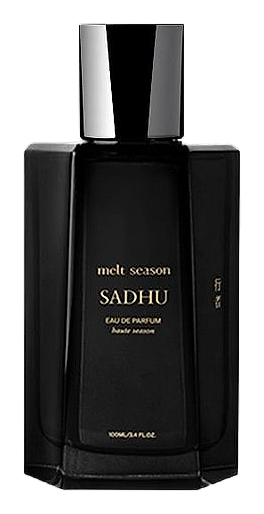
His signature leans toward refined restraint, compositions built on carefully chosen naturals and precise molecular accords that create luminosity without weight. Li gravitates toward ingredients with quiet complexity, woods with depth, florals with transparency, ambers that glow rather than shout. He has a particular affinity for textural contrasts, pairing creamy or powdery elements with crisper, more crystalline notes to create tension and movement. The results tend to read as intimate and considered, fragrances that feel personal in scale. His work avoids overt nostalgia or futuristic posturing, instead occupying a confident present tense where every note earns its place.
Philosophy
What drives Daniel
Li approaches fragrance as a form of quiet communication, believing that scent should reveal itself gradually rather than announce itself loudly. He tends to favor compositions that reward patience, structures that shift and soften across the hours of wear. There is a meditative quality to his thinking about perfumery, an insistence that fragrance operates on its own terms, free from the urgency of trend cycles. He speaks of ingredients with the respect one might reserve for collaborators, treating raw materials as voices in a conversation rather than tools to be arranged. This sensitivity to the inherent character of each component guides his choices, from sourcing to final formulation.
The houses